

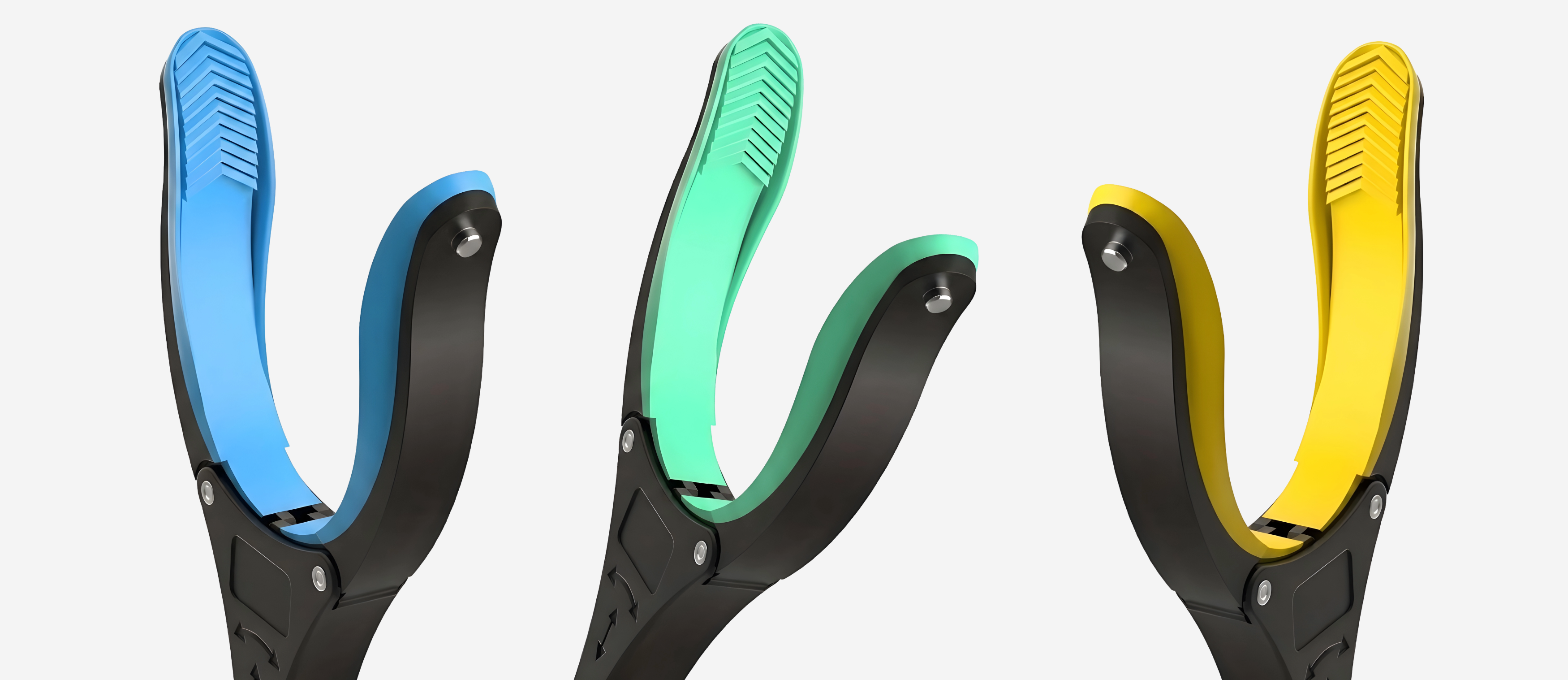
Stroke recovery is not a static event — it is a process. The adaptive tools appropriate for week one post-stroke differ from those appropriate for week six, and both differ from what is needed at twelve weeks and beyond. Most adaptive equipment guidance treats stroke recovery as a single state. The reality is that neurological recovery produces meaningful functional changes over the first three to six months, and the adaptive tool setup should change in response — not remain static while the patient changes around it.
Direct answer: the adaptive tool strategy after stroke follows recovery phases. In the acute and early subacute phase (weeks 1-4): maximum assistance tools — electric openers, standing assist, reacher from the unaffected side. In the subacute phase (weeks 4-12): tools calibrated to emerging function on the affected side — the reacher may become a bilateral task tool rather than a one-hand tool as some grip returns. Beyond 12 weeks: tools that address the residual functional gaps after neurological recovery plateaus — which may be permanent or may continue to improve.
Understanding Neurological Recovery After Stroke
Neurological recovery after stroke is most rapid in the first 30 days, significant through 90 days, and continues at a reduced rate for months to years thereafter. The pattern of recovery — what returns and in what order — is highly individual, but some generalizations hold:
- Proximal function (shoulder, hip) typically recovers before distal function (hand, ankle)
- Gross motor function recovers before fine motor function
- Strength returns before coordination
- The affected arm and hand frequently have the longest recovery trajectory and the most residual deficit
This pattern means that kitchen independence — which requires distal hand function (grip, pinch, rotation) — remains impaired longer than mobility independence (which requires proximal function). Kitchen adaptive tools remain relevant further into the recovery trajectory than mobility aids.
Phase-by-Phase Adaptive Tool Guide
| Recovery Phase | Typical Functional Status | Priority Adaptive Tools |
|---|---|---|
| Weeks 1-2 (acute/early subacute) | Significant hemiparesis; minimal affected-arm function; fatigue high | Standing Assist Tool; Electric Jar Opener; Electric Can Opener; Reacher Grabber (unaffected side) |
| Weeks 3-6 (subacute) | Proximal arm movement returning; grip weak or absent; standing transfers improving | Same tools; affected arm may begin assisting with stabilization on openers |
| Weeks 7-12 (late subacute) | Gross grip emerging; coordination limited; fatigue reducing | Openers remain essential; reacher now a bilateral task; walking cane may replace standing assist for some transfers |
| 3-6 months (chronic phase) | Residual hand deficit; compensation patterns established | Long-term toolkit calibrated to remaining functional gaps |
GrabbersTool product specifications — electric opener activation force, reacher trigger force, standing assist weight rating — determine compatibility with the functional capacity at each recovery phase. These are the measurements to compare against the physiotherapist or OT functional assessment at each stage. View jar opener specifications
The Role of the Unaffected Side
In the early post-stroke period, the unaffected arm and hand carry all functional tasks. This creates a pattern where the unaffected arm is overloaded and fatigues faster than it would under normal bilateral use. Tools that reduce the load on the unaffected arm — by mechanizing tasks the affected arm cannot yet assist — preserve the functional capacity of the unaffected arm for tasks that cannot be mechanized.
GrabbersTool patient reports from stroke recovery patients consistently note that electric jar and can openers reduce the unaffected arm workload in the kitchen meaningfully — tasks that previously required sustained unilateral grip effort from the intact arm now require only container positioning.
The Walking Cane Timeline in Stroke Recovery
Walking cane introduction in stroke recovery is a physiotherapist decision based on lower-limb strength, balance, and gait pattern. The cane is used contralateral to the affected side — on the unaffected side — which is the standard loading pattern for any lower-limb weakness. The GrabbersTool Walking Cane with height adjustability accommodates fitting at the precise moment of introduction rather than requiring pre-purchase estimation.
The Cane Strap addresses the post-stroke specific challenge of cane management when the affected arm cannot reliably hold the cane during standing transfers — the strap keeps the cane accessible at the unaffected wrist during the transfer rather than leaned where it may fall.
Planning the Home Adaptive Setup Before Discharge
Hospital discharge after stroke typically occurs within days of admission — often before full functional assessment of home needs is possible. Planning the home adaptive setup before discharge, based on the expected functional profile for weeks 1-4, prevents the gap between hospital discharge and adaptive tool delivery that leaves patients unequipped during their most vulnerable period.
See also: Stroke Recovery and Independence: Adaptive Tools for One-Sided Weakness and Adaptive Kitchen Tools: A Buyer's Guide for One-Handed Cooks.
Browse Reacher Grabber Tools, Easy Grip Kitchen Openers, and Ergonomic Mobility for the full stroke recovery adaptive range.


