

Ankle surgery recovery -- whether for fracture repair, ligament reconstruction, ankle fusion, or total ankle replacement -- creates a distinctive functional limitation pattern. Unlike hip or knee surgery where the dominant concern is range of motion restriction, ankle surgery recovery is primarily defined by the non-weight-bearing period: days to weeks in which no weight at all may be placed on the surgical foot. During this phase, the affected person is on crutches, a knee scooter, or a wheelchair, and the entire home environment must be navigated differently. Standard daily tasks become profoundly more difficult.
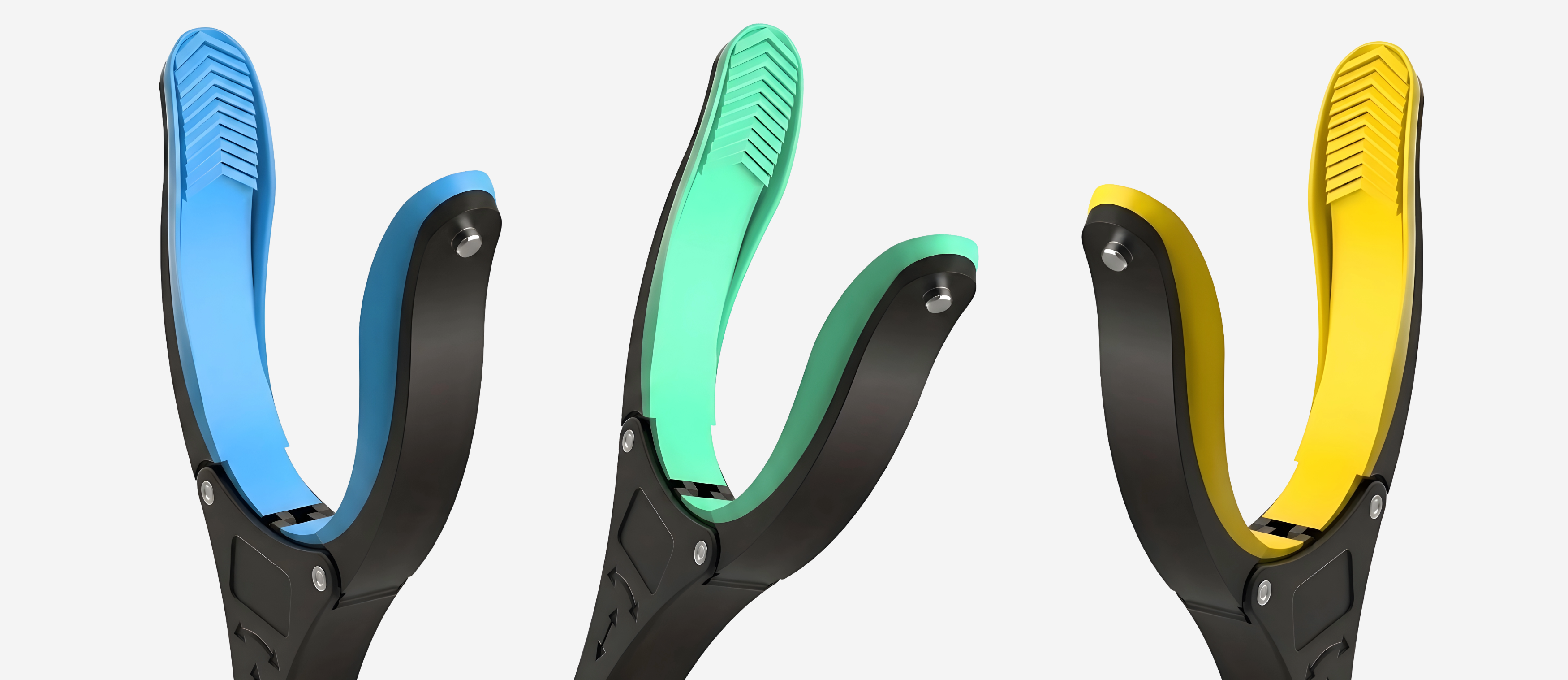
Direct answer: The highest-priority adaptive tools for ankle surgery recovery are: crutches or knee scooter (prescribed by surgeon), a reacher grabber (essential on crutches -- you have no free hand for floor retrieval or shelf items), a shower chair or transfer bench, a waterproof cast/boot cover for showering, and a carrying pouch or backpack for moving items while on crutches. The GrabbersTool Reacher is the single most important adaptive tool for maintaining kitchen and home independence during non-weight-bearing recovery.
Why Ankle Surgery Recovery Is Especially Challenging
Hip and knee surgery restrict range of motion -- patients can still walk (with modified technique). Ankle surgery's non-weight-bearing constraint eliminates walking entirely. The result: both hands are needed for crutch operation, leaving no free hand to carry items, open doors, or retrieve things. Activities of daily living that involve moving between rooms while carrying anything (a cup of water, groceries, medication) become high-difficulty tasks.
Adaptive Tools for Ankle Recovery by Phase
| Phase | Primary Constraint | Key Adaptive Tools |
|---|---|---|
| Non-weight-bearing (weeks 1-8 typical) | Both hands on crutches; cannot carry items | Reacher grabber, backpack/pouch for carrying, rolling cart at home |
| Partial weight bearing | Balance and stability on uneven surfaces | Walking boot, non-slip mats, grab bars in bathroom |
| Full weight bearing with boot | Limited ankle mobility in boot; fatigue | Long-handled tools still useful for bend avoidance |
| Post-boot recovery | Ankle stiffness, swelling, balance limitations | Gradual return to normal equipment; continued non-slip surfaces |
Kitchen Independence During Crutch Phase
The kitchen is the most difficult room during non-weight-bearing recovery. Solutions: position a high stool at the counter to allow seated cooking; use a wheeled kitchen cart to move items instead of carrying; keep frequently used items at counter height (not in low cabinets); use an electric jar opener to open containers one-handed; use the reacher for items that slide to the back of shelves or fall to the floor.
The GrabbersTool 32-inch Reacher is operable single-handed -- the trigger mechanism works with one hand while the other is on a crutch or surfaces for support. The Electric Jar Opener operates with one hand. Browse the full reacher collection and kitchen adaptive tools.


