

Myalgic encephalomyelitis/chronic fatigue syndrome (ME/CFS) is one of the conditions that GrabbersTool encounters where the clinical distinction matters most for adaptive tool framing: ME/CFS is not simply tiredness that rest resolves. The central feature is post-exertional malaise (PEM) -- symptom worsening that is triggered by exertion (physical or cognitive) and that is delayed by 12-72 hours and can persist for days to weeks. This means that the cost of a kitchen task is not measured by how exhausted the patient feels during it, but by the crash that may follow it hours later. Adaptive tools for ME/CFS are not about making tasks feel easier in the moment -- they are about reducing the biological cost of tasks to stay below the PEM threshold.
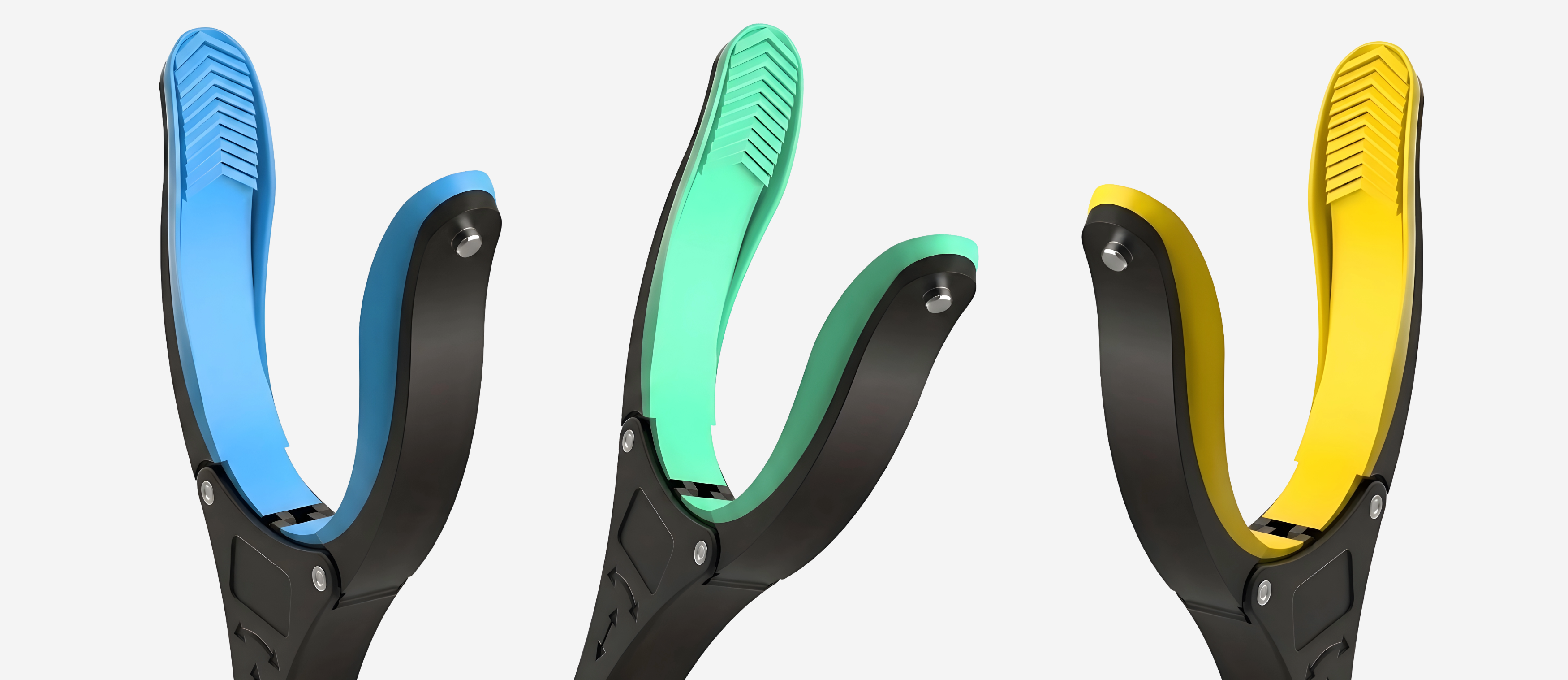
Direct answer: for ME/CFS, the adaptive tool strategy is total energy conservation for all kitchen and daily tasks. The Electric Jar Opener, Electric Can Opener, and 5-in-1 Multi-Opener eliminate the sustained physical effort that accumulates toward PEM threshold. The Reacher Grabber eliminates the exertion of bending and posture changes. The Standing Assist Tool reduces the muscular effort of standing transitions that ME/CFS patients may find disproportionately costly.
The PEM Model and Adaptive Tool Logic
PEM fundamentally changes the calculus of adaptive tool value. For most conditions, the question is: can the patient do this task? For ME/CFS, the question is: what does doing this task cost, and does that cost push the patient over the PEM threshold? A jar of tomato sauce that takes 45 seconds of effortful grip-and-twist to open is not 45 seconds of effort in isolation -- for an ME/CFS patient near their energy envelope, it is the cost that triggers an afternoon crash that wipes out the next two days. The electric jar opener that replaces that effort with a button press is not a convenience -- it is a threshold management tool. GrabbersTool customers with ME/CFS consistently frame adaptive tools in these terms rather than the ability/inability framing used by most other conditions.
Activity Pacing and Adaptive Tool Integration
| Kitchen Task | Estimated Energy Cost (ME/CFS) | Adaptive Tool Energy Reduction |
|---|---|---|
| Manual jar opening (resistant lid) | High -- sustained grip-and-twist requiring significant upper body effort; cognitive monitoring | Electric Jar Opener reduces to near-zero physical cost; single button press |
| Manual can opening (traditional opener) | Moderate to high -- coordinated turn-and-cut motion; sustained grip for full circumference | Electric Can Opener reduces to button-press initiation; no sustained effort |
| Floor item retrieval (bending) | Moderate -- bend, stabilize, grip, return to upright; posture change is energetically costly | Reacher Grabber reduces to single-arm reach from standing; no posture change |
| Chair-to-stand transition | Moderate -- whole-body movement; momentum generation; balance maintenance | Standing Assist Tool provides anchor point; reduces muscular effort required |
Specifications for all GrabbersTool products are on the product pages. View Electric Jar Opener specifications.
Cognitive Symptoms and Simple Tool Design
ME/CFS frequently includes significant cognitive symptoms -- brain fog, difficulty concentrating, word retrieval problems, impaired working memory. This affects adaptive tool use in a specific way: tools with complex operation, multiple steps, or difficult learning curves have a cognitive cost in addition to their physical cost. GrabbersTool products are selected by ME/CFS customers specifically because their operation is simple: one button for the electric jar opener, one placement-and-press for the electric can opener, one reach for the reacher. The cognitive simplicity is part of the energy conservation value. A tool that requires concentration to use is not a zero-cost tool even if it requires no physical effort. See also: Long COVID and Adaptive Tools Guide -- long COVID and ME/CFS share PEM and energy pacing challenges and many adaptive tool recommendations overlap.
Browse Easy Grip Kitchen Openers, Reacher Grabber Tools, and Ergonomic Mobility Solutions.


