

Chronic kidney disease (CKD) is the progressive loss of kidney function over months to years, staged from CKD Stage 1 (kidney damage with normal GFR) through Stage 5 (kidney failure, GFR under 15 mL/min/1.73m2, also called end-stage renal disease or ESRD). Stage 5 CKD requires renal replacement therapy: hemodialysis (typically 3 sessions per week, each 3-4 hours), peritoneal dialysis (daily home exchanges), or kidney transplantation. The key functional limitation for adaptive kitchen tool purposes is the profound fatigue associated with dialysis -- particularly hemodialysis. Post-dialysis fatigue is one of the most consistently reported symptoms: patients report significant fatigue for hours after each session, with an estimated 60-97% of hemodialysis patients experiencing clinically significant fatigue. This post-dialysis fatigue pattern means that on dialysis days (3 per week), kitchen independence may be severely limited. Additionally, hemodialysis patients have an arteriovenous fistula (AVF) or graft in one arm (usually the non-dominant arm) that must be protected from compression, carrying, and trauma.
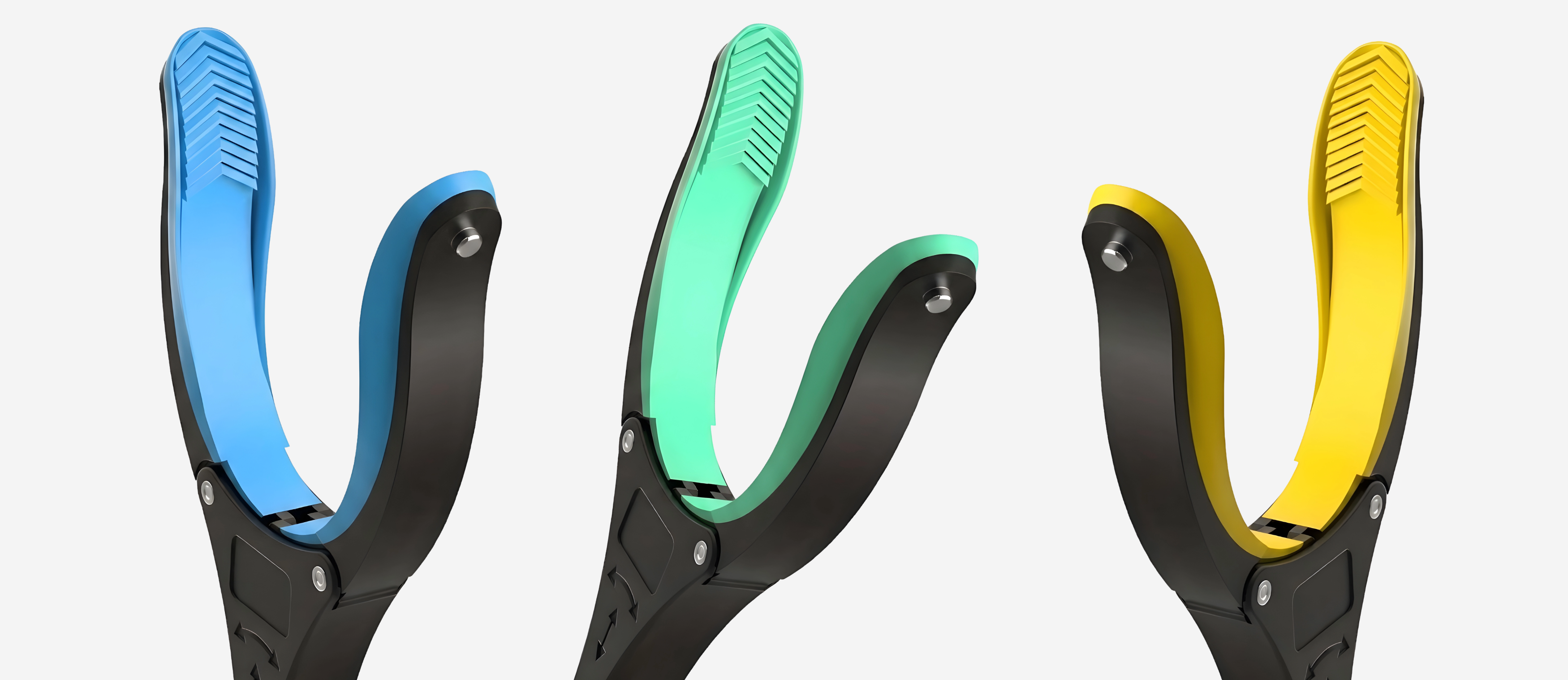
Direct answer: CKD and dialysis adaptive kitchen tools primarily address post-dialysis fatigue (the most functionally limiting factor on dialysis days), AVF/graft protection (no heavy carrying or compression on the dialysis arm), and the renal diet that makes cooking complexity important for nutrition management. The electric jar opener eliminates one of the highest-effort kitchen tasks without requiring the dialysis arm. The reacher reduces bending effort on low-energy days. The GrabbersTool Electric Jar Opener is especially valuable on post-dialysis days when fatigue is most severe.
CKD Stage and Adaptive Kitchen Tool Relevance
| CKD Stage | Kitchen Functional Impact | Adaptive Tool Recommendation |
|---|---|---|
| Stages 1-3 (mild to moderate) | Usually minimal kitchen limitation; diet modifications (low sodium, low potassium depending on stage) more relevant than adaptive equipment | Focus on renal diet food preparation techniques; standard kitchen independence maintained |
| Stage 4 (severe, GFR 15-29) | Increasing fatigue; anemia common; diet restrictions more complex; may prepare for dialysis access creation | Energy conservation strategies; lightweight cookware; electric jar opener on high-fatigue days; post-AVF creation: protect access arm |
| Stage 5 on hemodialysis | 3 dialysis days per week with severe post-dialysis fatigue; AVF/graft in one arm; anemia; diet very restricted | Electric jar opener critical on post-dialysis days; reacher for low-effort retrieval; avoid all compression on dialysis arm; simple meals for dialysis days; family cooking for complex renal diet meals |
| Stage 5 on peritoneal dialysis | Less episodic fatigue than HD; PD catheter in abdomen protects trunk bending; diet slightly less restricted than HD | Reacher to avoid bending that compresses PD catheter; electric jar opener for fatigue days; lighter activity level than HD patients overall |
See the adaptive kitchen tools and Electric Jar Opener for CKD and dialysis patients.


