

Chronic pancreatitis is a fibro-inflammatory syndrome of the pancreas characterized by progressive destruction of pancreatic parenchyma, leading to exocrine insufficiency (pancreatic enzyme deficiency), endocrine insufficiency (diabetes mellitus, type 3c pancreatogenic diabetes), and chronic abdominal pain. Causes include alcohol (most common in Western countries), smoking, tropical pancreatitis, autoimmune pancreatitis, hereditary pancreatitis (PRSS1, SPINK1, CFTR mutations), and idiopathic. Pancreatic exocrine insufficiency (PEI) causes malabsorption of fats, proteins, and fat-soluble vitamins (A, D, E, K), leading to steatorrhea (oily, foul-smelling loose stools), weight loss, and malnutrition. Treatment of PEI: pancreatic enzyme replacement therapy (PERT: pancrelipase capsules, e.g., Creon, Zenpep) taken with every meal. Chronic pancreatitis pain (abdominal, post-prandial, radiating to the back) causes fear of eating (sitophobia) and meal-related anticipatory pain that profoundly reduces food intake and kitchen motivation. Kitchen function in chronic pancreatitis is affected by: (1) pain with eating (sitophobia, reduced meal preparation motivation); (2) PERT management with meals; (3) low-fat diet requirement (to reduce steatorrhea and pain triggers); (4) type 3c diabetes requiring kitchen glucose management; (5) fatigue and malnutrition from PEI.
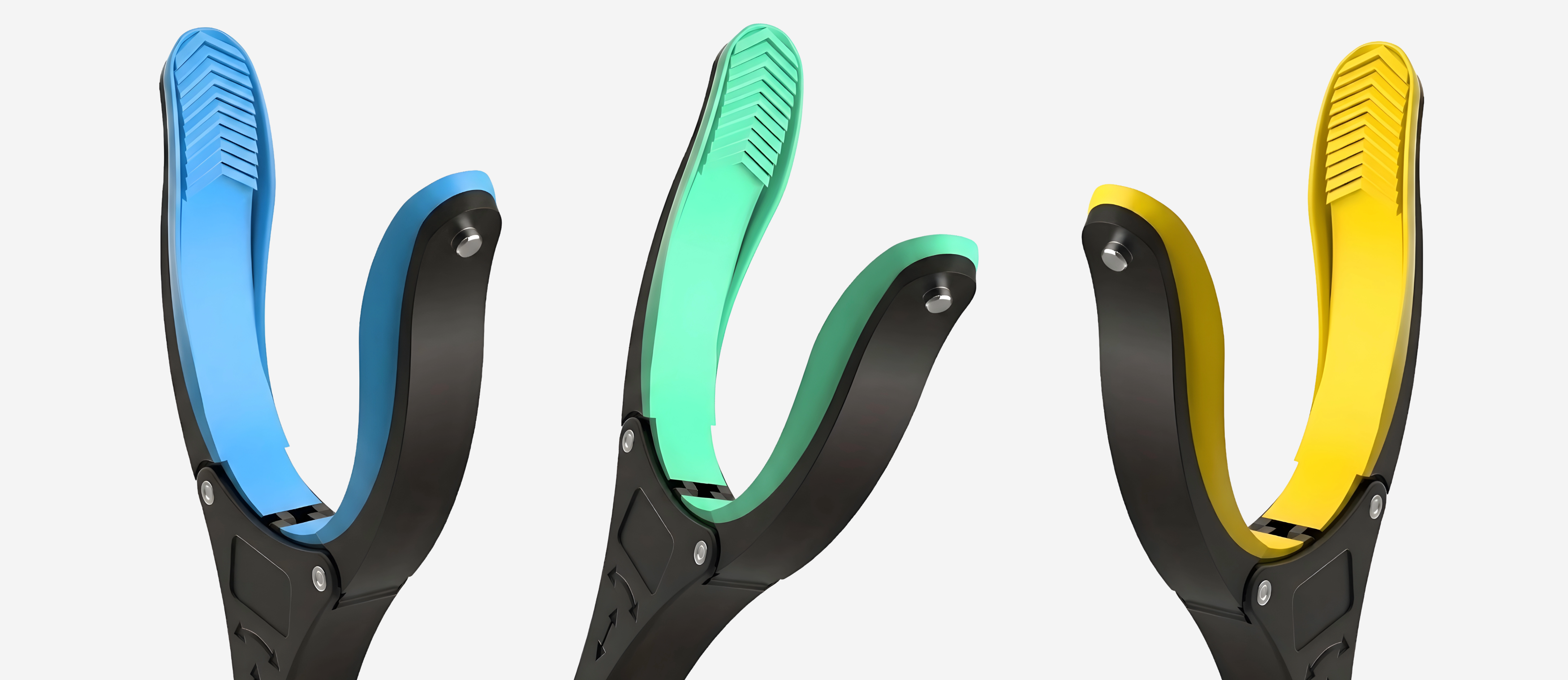
Direct answer: Chronic pancreatitis kitchen adaptive strategies focus on low-fat meal preparation, PERT management with every meal, and pain-related sitophobia management (small frequent meals rather than large meals that trigger pain). Physical adaptive tools (reacher, electric jar opener) address fatigue and weakness from malnutrition, not the primary pancreatic disease mechanism.
Chronic Pancreatitis Kitchen Adaptive Strategy
| Chronic Pancreatitis Feature | Kitchen Impact | Adaptive Strategy |
|---|---|---|
| Pancreatic exocrine insufficiency and PERT management | PEI requires PERT (typically 40,000-80,000 lipase units per main meal, 20,000-40,000 per snack) taken with every meal; the kitchen routine must incorporate PERT timing (start of meal, or split half at start and half mid-meal for large meals); without PERT, cooking high-fat foods causes steatorrhea; PERT enables more normal food preparation including moderate fat content | PERT stored accessible in the kitchen for consistent meal-time use; kitchen dietary planning to optimize fat content within PERT-managed range; gastroenterologist and dietitian guidance on PERT dosing optimization; low-fat cooking techniques reduce PERT demand during periods of poor PEI control |
| Sitophobia (fear of eating from post-prandial pain) | Chronic pancreatitis pain characteristically worsens with eating (pancreatic stimulation); patients develop fear of eating (sitophobia) causing severe reduction in food intake; kitchen motivation and meal preparation frequency reduce as sitophobia develops; significant malnutrition and weight loss result from sitophobia; the kitchen becomes associated with anticipated pain | Small, frequent meals (6-8 small meals daily) rather than 3 large meals -- reduces the post-prandial pain peak per meal; low-fat meal preparation (high fat triggers the most pancreatic stimulation and pain); PERT optimization to reduce fat malabsorption; pain management per gastroenterologist (celiac plexus block, opioid management, pregabalin); pancreatic surgery (Beger, Frey, Whipple) for medically refractory pain may restore kitchen eating behavior |
| Type 3c pancreatogenic diabetes | Chronic pancreatitis-related diabetes (T3cDM) is caused by destruction of islet cells (both insulin-producing beta cells and glucagon-producing alpha cells); the glucagon deficiency makes T3cDM particularly hypoglycemia-prone (no glucagon counter-regulation); insulin is the treatment of choice; kitchen glucose management requires awareness of hypoglycemia risk; hypoglycemia during kitchen tasks creates the same safety risks as in T1DM | Fast glucose sources always available in the kitchen; CGM for early hypoglycemia warning during kitchen activity; low glycemic index meal preparation to reduce glucose variability; dietitian for T3cDM kitchen nutrition management (different from type 1 or type 2 diabetes in glucagon deficiency hypoglycemia risk); endocrinologist for T3cDM insulin management |
See the Electric Jar Opener and adaptive kitchen collection for chronic pancreatitis kitchen support.


