

A colostomy or ileostomy is a surgically created opening (stoma) in the abdominal wall through which the bowel is brought to the surface, allowing stool to exit into an external pouching system rather than through the rectum. Colostomy (from the colon) typically produces more formed output; ileostomy (from the ileum, small bowel) produces liquid to semi-liquid output continuously. Common indications include colorectal cancer surgery, inflammatory bowel disease, bowel obstruction, trauma, and diverticular disease with perforation. The impact on kitchen function occurs in several dimensions: the post-surgical period has standard abdominal lifting restrictions (no lifting over 4-5 kg for 4-6 weeks); the diet changes significantly after ostomy creation (high-fiber foods, gas-producing foods, and foods that can cause blockage at the ileostomy aperture are initially avoided); and permanently, the person must manage their ostomy pouch system, which affects meal timing and kitchen hygiene. Parastomal hernia (hernia around the stoma) is a common long-term complication that creates an ongoing lifting restriction.
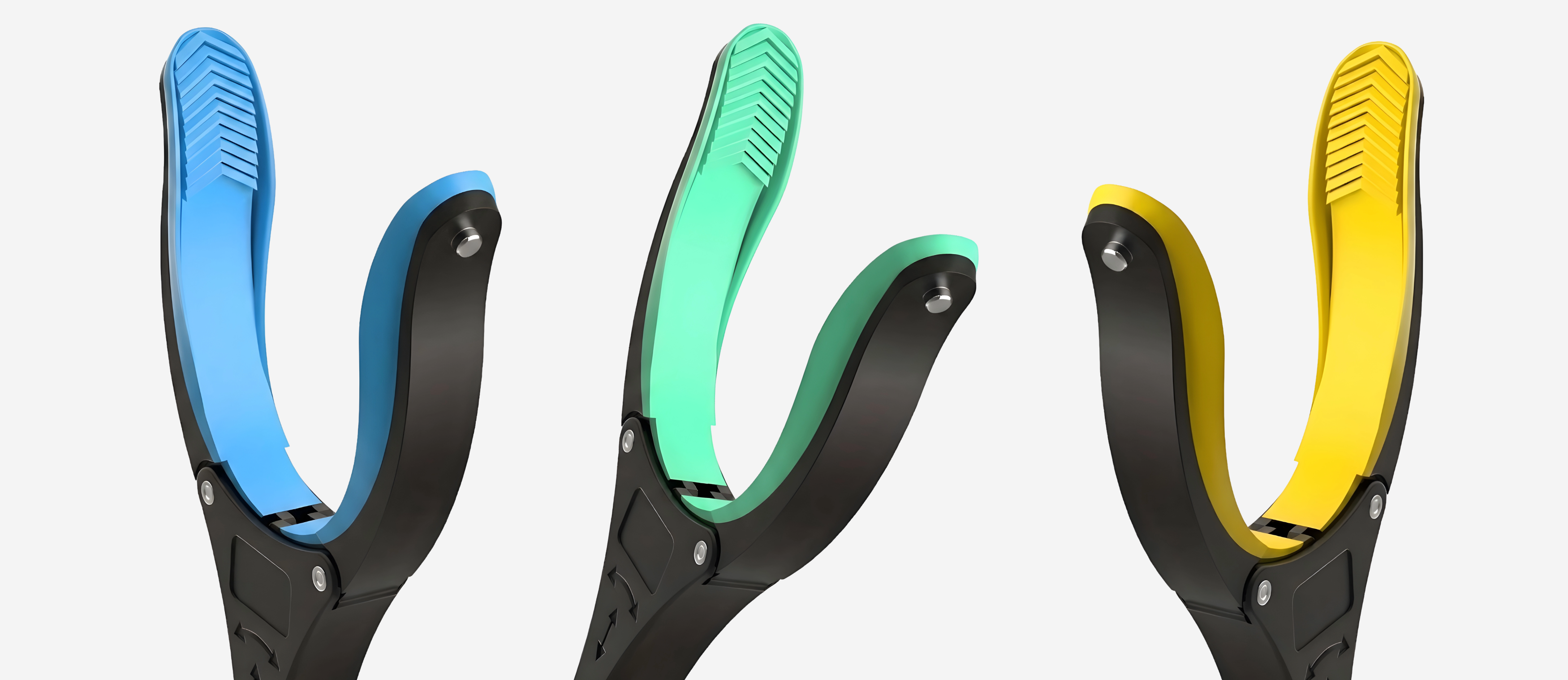
Direct answer: Ostomy adaptive kitchen tools address the acute post-surgical lifting restriction (reacher and electric jar opener during the 4-6 week recovery), the long-term lifting restriction if parastomal hernia develops, and the kitchen hygiene requirements for ostomy management. The electric jar opener eliminates the abdominal straining that jar opening requires -- which is particularly important in parastomal hernia, where increased intraabdominal pressure from straining can worsen the hernia. The reacher prevents the bending that loads the stomal site and parastomal hernia. The GrabbersTool 32-inch Reacher and Electric Jar Opener are applicable across the recovery and long-term management periods.
Ostomy Status and Adaptive Kitchen Tool Need
| Ostomy Phase | Kitchen Restriction | Adaptive Kitchen Strategy |
|---|---|---|
| Acute post-surgical (weeks 0-6) | No lifting over 4-5 kg; abdominal incision healing; ostomy output learning curve; diet very restricted (low-residue) | Reacher for all low retrieval; electric jar opener; caregiver for heavy cooking; low-residue diet preparation; no foods that risk stoma obstruction (nuts, raw vegetables, tough skins) |
| Established ostomy (months 1-12) | Full activity generally restored; ostomy management routine established; diet liberalizing with individual food tolerance testing; no ongoing lifting restriction unless parastomal hernia | Full kitchen independence; electric jar opener for convenience; diet experimentation with careful introduction of foods; kitchen hygiene for ostomy pouch emptying and changes |
| Parastomal hernia (long-term complication) | Persistent bulge around stoma; increased risk with lifting and straining; may require hernia support belt; surgical repair in severe cases | Electric jar opener to eliminate intraabdominal pressure from straining; reacher if hernia limits bending; support belt during kitchen activity; avoid all heavy lifting permanently |
See the adaptive kitchen collection and Electric Jar Opener for ostomy kitchen independence support.


