

Chronic obstructive pulmonary disease (COPD) is characterized by persistent airflow limitation from airway inflammation (chronic bronchitis component) and parenchymal destruction (emphysema component). COPD is classified by GOLD severity (I-IV based on FEV1% predicted) and by symptom burden (GOLD ABE groups). Dyspnea on exertion (DOE) is the cardinal symptom, limiting physical activities including kitchen tasks. The pathophysiology of COPD dyspnea is complex: dynamic hyperinflation during exertion traps air in the lungs (increasing end-expiratory lung volume, placing the diaphragm at a mechanical disadvantage) and increases the work of breathing; pursed lip breathing (exhaling through pursed lips) slows expiration, reduces dynamic hyperinflation, and is a learned COPD coping strategy that relieves dyspnea. Arm elevation in COPD is particularly dyspnea-provoking: the muscles of the shoulder girdle (pectoral, sternocleidomastoid, accessory respiratory muscles) assist both arm elevation AND accessory respiratory muscle use; when the arms are used for overhead tasks, these muscles are committed to arm elevation rather than breathing -- this is the physiological reason why reaching overhead is more dyspnea-provoking in COPD than lower-level tasks. Pulmonary rehabilitation is a cornerstone of COPD management and includes kitchen energy conservation training.
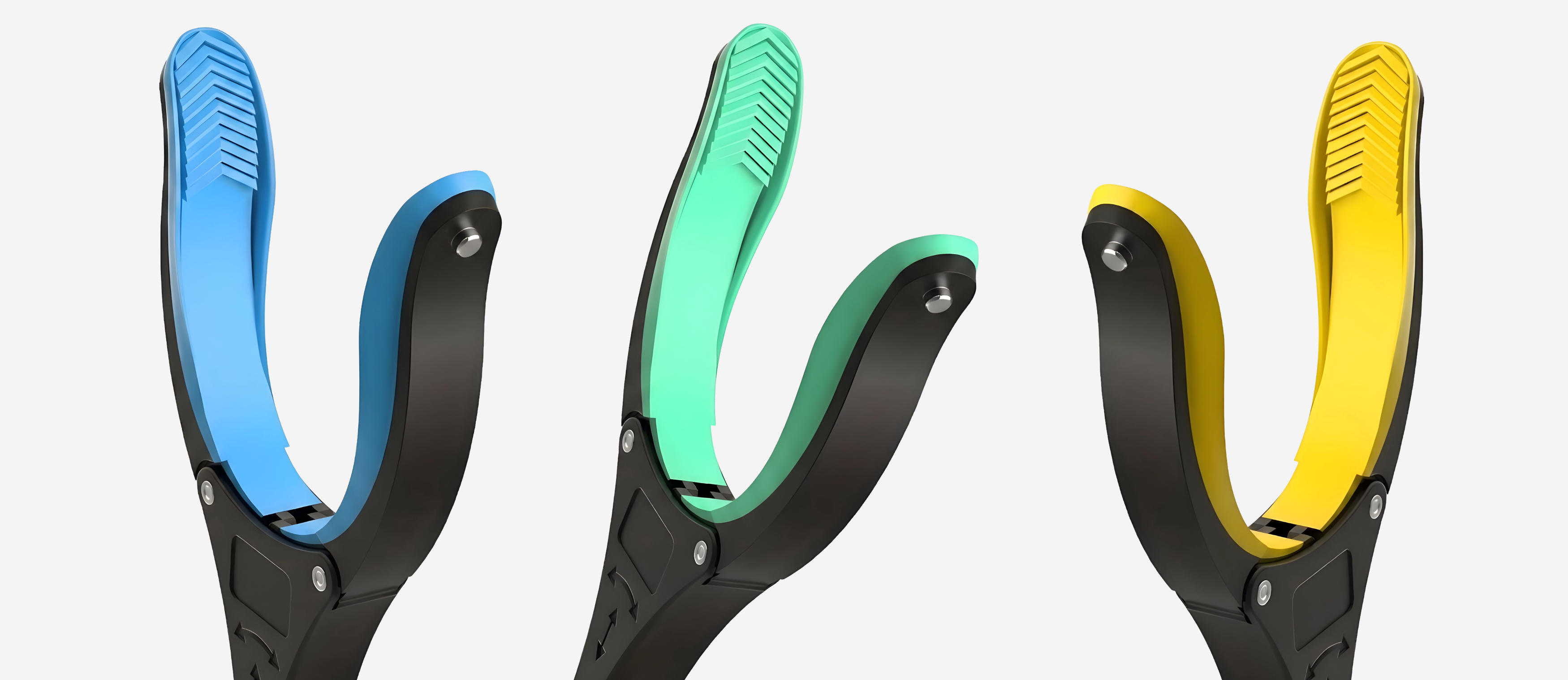
Direct answer: COPD kitchen adaptive tools address the specific COPD dyspnea pattern: overhead arm activities are the most dyspnea-provoking kitchen tasks. The reacher eliminates the need to raise the arms overhead for kitchen cabinet access. Seated preparation, oxygen during kitchen tasks, and electric tools reduce dyspnea burden. The GrabbersTool 32-inch Reacher is the key COPD kitchen tool for eliminating overhead arm reaching -- the most dyspnea-provoking kitchen position.
COPD Kitchen Adaptive Strategy
| COPD Feature | Kitchen Impact | Adaptive Solution |
|---|---|---|
| Overhead arm use dyspnea provocation (COPD-specific physiology) | Overhead arm elevation in COPD provokes more dyspnea than the same effort at lower arm positions because the accessory respiratory muscles are committed to arm use instead of breathing; reaching into overhead kitchen cabinets (arms above shoulder height) provokes acute dyspnea in moderate-to-severe COPD; this is a COPD-specific limitation not seen as prominently in other conditions; patients often learn to avoid all overhead reach in the kitchen spontaneously | Reacher grabber (GrabbersTool) to access overhead kitchen cabinet items without arm elevation; kitchen reorganization to move all frequently used items from overhead storage to counter-height; remove items from overhead cabinets to eliminate the overhead-reach kitchen trigger; pulmonary rehabilitation kitchen energy conservation training includes this specific COPD overhead adaptation |
| Exertional dyspnea during kitchen activity | Cooking involves sustained physical activity (standing, lifting, carrying, bending) that causes progressive dyspnea in GOLD III-IV COPD; meal preparation may require multiple rest breaks; sustained kitchen tasks without sitting cause dynamic hyperinflation and worsening dyspnea that can only be relieved by rest and pursed-lip breathing; COPD patients often reduce meal preparation to the simplest possible foods to reduce kitchen exertion demand | Pursed lip breathing during kitchen activity (patient teaches themselves or learns in pulmonary rehabilitation); seated kitchen preparation (reduces exertion vs. standing); rolling cart for item transport instead of carrying; electric appliances (jar opener, can opener, food processor) to reduce per-task exertion; supplemental oxygen during kitchen tasks if prescribed for exertion desaturation (long-term oxygen therapy, LTOT, or ambulatory oxygen) |
| Oxygen therapy during kitchen tasks (severe COPD) | Patients on long-term oxygen therapy (LTOT) for resting hypoxemia, and those prescribed ambulatory oxygen for exertional desaturation, use supplemental oxygen during kitchen activities; nasal cannula tubing may be a trip hazard in the kitchen; oxygen concentrator placement limits kitchen movement radius; kitchen safety with oxygen near the gas stove (oxygen is not flammable but supports combustion -- keep oxygen away from open gas flames) | Portable oxygen concentrator for kitchen mobility while on oxygen; use electric cooktop (induction or electric) rather than gas flame with supplemental oxygen; manage nasal cannula tubing to prevent kitchen trip hazard (use longer tubing to allow seated kitchen work without pulling; secure tubing with clip to clothing); consult respiratory therapist for COPD kitchen oxygen management |
See the 32-inch Reacher and Electric Jar Opener for COPD kitchen adaptive support.


