

Kyphoscoliotic Ehlers-Danlos syndrome (kEDS) is a rare autosomal recessive EDS subtype caused by mutations in PLOD1 (encoding procollagen-lysine 2-oxoglutarate 5-dioxygenase 1, producing lysylhydroxylase 1 deficiency -- kEDS-PLOD1) or FKBP14 (kEDS-FKBP14). kEDS is characterized by severe congenital hypotonia (floppy infant), congenital or progressive kyphoscoliosis, generalized joint hypermobility, and a distinct progression toward wheelchair dependency in many cases. Unlike hEDS and classical EDS (which primarily feature joint instability), kEDS combines the connective tissue laxity of EDS with a myopathic-like muscle weakness from birth -- kEDS patients are weak from infancy, not just hypermobile. Progressive kyphoscoliosis (the curvature both forward and lateral) restricts lung capacity, shifts the center of gravity, and severely alters the functional reach envelope for kitchen tasks. kEDS-PLOD1 specifically has severe scoliosis as a major feature that may require corrective spinal surgery; kEDS-FKBP14 has a somewhat different phenotype including hearing loss and myopathy-like features. Both subtypes require careful kitchen adaptive planning as the scoliosis and muscle weakness progress.
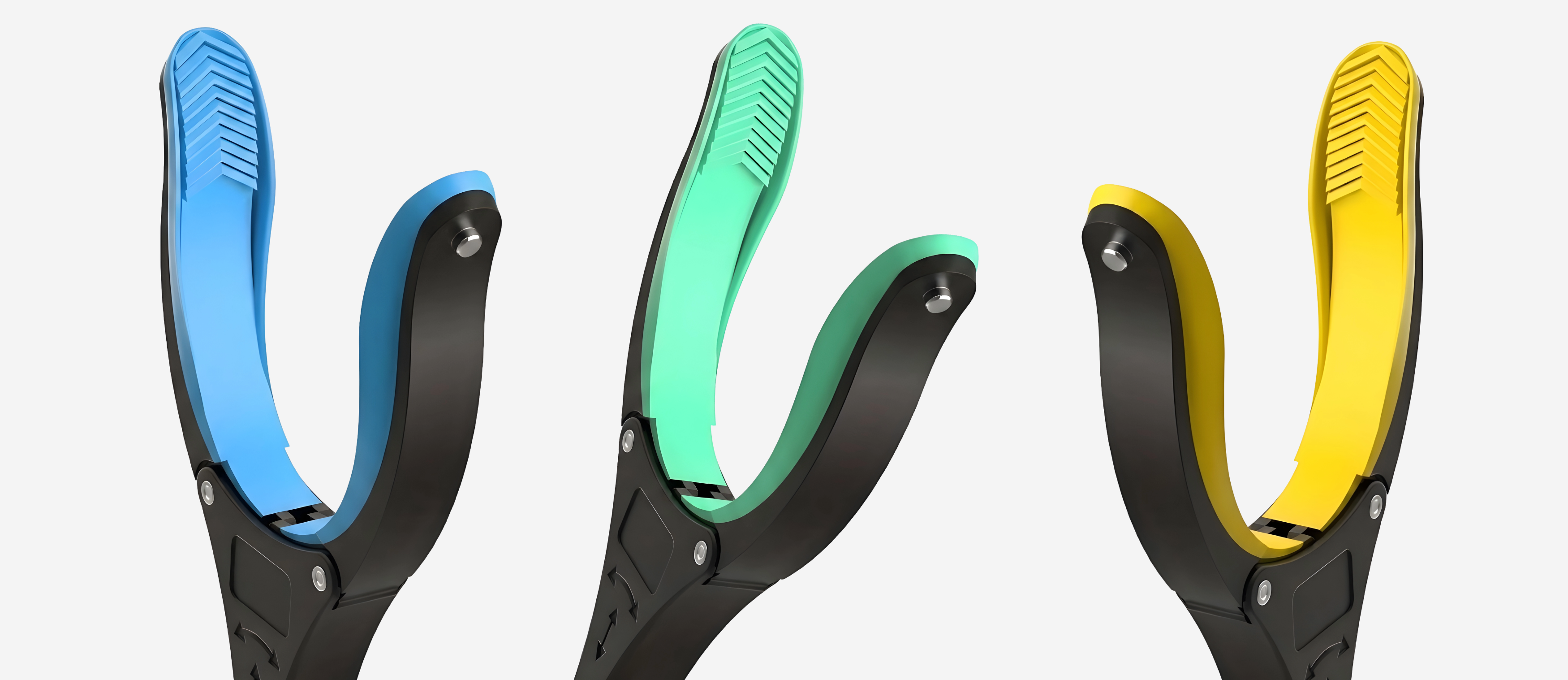
Direct answer: kEDS kitchen adaptive tools address both the muscle weakness component (electric jar opener eliminates grip force requirements that hypotonic kEDS muscles cannot generate) and the kyphoscoliosis component (reacher compensates for the altered reach envelope from spinal curvature). The GrabbersTool Electric Jar Opener is the most important kEDS kitchen tool for addressing the muscle weakness component, and the 32-inch Reacher addresses the scoliosis reach restriction.
kEDS Kitchen Adaptive Strategy
| kEDS Feature | Kitchen Functional Impact | Adaptive Solution |
|---|---|---|
| Congenital hypotonia and muscle weakness | kEDS muscle weakness is present from birth and affects all voluntary movement including grip force; grip strength is significantly reduced below age-matched norms; jar opening, can opening, and heavy kitchen carrying are limited by muscle weakness; weakness may progress with the progressive kyphoscoliosis | Electric jar opener (GrabbersTool) -- motor provides all the grip force for jar opening; one of the most important kitchen tools for kEDS given the primary muscle weakness feature; electric can opener; lightweight cookware; ergonomic handles to reduce required grip force |
| Progressive kyphoscoliosis (spinal curvature) | Kyphoscoliosis progressively shifts the center of gravity and restricts the reach envelope; overhead reach is limited by the forward spinal flexion that prevents neutral overhead extension; scoliosis creates asymmetric reach between the two sides; respiratory restriction from the scoliosis reduces kitchen exercise tolerance | 43-inch reacher for overhead reach that scoliosis prevents; 32-inch reacher for floor items; reorganize kitchen to work surface heights appropriate for the patient current posture; seated kitchen workstation; respiratory limitation requires energy conservation in kitchen |
| Joint hypermobility (overlapping with other EDS subtypes) | kEDS joint hypermobility adds subluxation risk to the muscle weakness; the combination -- weak muscles and unstable joints -- means that even light kitchen loads can sublux joints; wrist and shoulder subluxation during kitchen tasks | Electric jar opener eliminates the torque that would sublux hypermobile kEDS wrist joints; avoid loading hypermobile joints during kitchen tasks; splints for key joints during kitchen work if prescribed |
See the Electric Jar Opener, 32-inch Reacher, and 43-inch Reacher for kEDS kitchen adaptive independence.


