

Frailty is a clinical state of increased vulnerability and reduced physiological reserve, common in older adults, in which the person is more susceptible to adverse outcomes from stressors (illness, injury, and other challenges). Frailty involves a decline across multiple systems, resulting in reduced strength, endurance, and function, and increased vulnerability. Frailty is often characterized by features such as: weakness (reduced grip and overall strength -- related to sarcopenia), slowness (reduced walking speed and mobility), reduced physical activity, exhaustion and reduced endurance (fatigue and low energy), and unintentional weight loss. Frailty is associated with increased risk of falls, disability, hospitalization, and loss of independence. Frail older adults have reduced capacity to perform daily activities including kitchen tasks, and reduced reserve to cope with challenges. Kitchen function in frailty is affected by the combination of frailty features: weakness (reduced grip and strength affecting gripping, jar opening, lifting, and carrying), reduced endurance and exhaustion (limiting kitchen activity), slowness and reduced mobility (affecting kitchen mobility and tasks), increased fall risk (a significant concern -- kitchen falls in frail older adults can cause serious injury and precipitate decline), and the overall vulnerability. Supporting kitchen independence in frailty involves adaptive tools (reducing the strength, endurance, and mobility demands of kitchen tasks), safety measures (fall prevention -- particularly important given the vulnerability), and addressing the frailty where possible (frailty can be improved -- resistance exercise, adequate protein nutrition, and management of contributing factors can improve strength, function, and frailty). The goal is to support safe kitchen independence while addressing the frailty. This guide covers kitchen adaptation for frailty in older adults.
Direct answer: Frailty kitchen adaptive tools reduce the strength, endurance, and mobility demands of kitchen tasks while prioritizing fall prevention given the vulnerability -- electric openers, lightweight tools, seated preparation, reachers, and safety measures. The GrabbersTool Electric Jar Opener and 32-inch Reacher support frail older adults kitchen function by reducing the strength and mobility demands and fall risk.
Frailty Kitchen Adaptive Strategy
| Frailty Feature | Kitchen Impact | Adaptive Solution |
|---|---|---|
| Weakness and reduced strength | Frailty weakness (reduced grip and overall strength, related to sarcopenia) affects the ability to perform kitchen tasks requiring strength -- gripping and holding items, opening jars (requiring grip and twisting force), lifting, and carrying; the reduced grip affects hand tasks and jar opening; the reduced overall strength affects lifting, carrying, and standing; the weakness limits kitchen function; the reduced strength is a core frailty feature affecting kitchen tasks; the weakness affects the ability to perform the forceful and strength-requiring kitchen tasks | Electric jar opener (GrabbersTool) and electric appliances to eliminate the grip and strength demands of forceful kitchen tasks; large-handle and easy-grip tools to reduce the grip force; lightweight kitchen tools and cookware to reduce the strength demand; avoid heavy lifting (fill pots with a measuring cup, slide rather than lift, use a wheeled cart, ask for help); the adaptations compensate for the frailty weakness; resistance exercise (as able and appropriate) can improve strength and frailty; the adaptive tools support kitchen function with the reduced strength |
| Reduced endurance, slowness, and mobility | Frailty reduced endurance and exhaustion (fatigue and low energy) limit kitchen activity, and slowness and reduced mobility affect kitchen mobility and tasks -- the reduced endurance limits the duration of kitchen tasks; the person tires and needs rest; the slowness and reduced mobility affect moving around the kitchen and performing tasks; standing tolerance is reduced; the reduced endurance and mobility limit kitchen function; these frailty features combine to affect the capacity for kitchen tasks; the reduced reserve affects the ability to sustain kitchen activity | Energy conservation kitchen strategies for the reduced endurance (seated kitchen preparation; pace tasks with rest breaks; simple meals; batch cooking during better periods -- but paced; prepared foods); the reacher (GrabbersTool) to reduce the mobility and reaching demands (retrieve items without walking and reaching); organize the kitchen to minimize movement (items within reach); the seated preparation and reduced mobility demands accommodate the reduced endurance, slowness, and mobility; the energy conservation and adaptive tools support kitchen function with the reduced endurance and mobility |
| Fall risk, safety, and addressing frailty | Frailty significantly increases fall risk -- a major concern, as kitchen falls in frail older adults can cause serious injury (fractures) and precipitate further decline and loss of independence; the reduced strength, mobility, and balance and the overall vulnerability increase the fall risk; kitchen safety and fall prevention are particularly important in frailty; importantly, frailty can be improved -- resistance exercise (building strength), adequate protein and nutrition (the kitchen supports this), and management of contributing factors can improve strength, function, and frailty; the combination of adaptive tools, fall prevention, and addressing the frailty supports safe kitchen independence; nutrition is particularly important (frailty involves weight loss and inadequate nutrition -- the kitchen supports the nutrition) | Fall prevention for the frailty fall risk (non-slip flooring, prompt spill cleanup, clear pathways, adequate lighting, stability support -- rails and grab bars, seated preparation to reduce standing balance demand, and the reacher to eliminate balance-challenging reaching and bending -- fall prevention is particularly important in frailty); nutrition (the kitchen supports the adequate protein and nutrition important for muscle and addressing the frailty weight loss and undernutrition); resistance exercise (as able and appropriate -- to build strength and improve frailty); addressing contributing factors (per the physician -- managing chronic conditions, medications, and other factors); the combination of adaptive tools, fall prevention, nutrition, exercise, and addressing the frailty supports safe kitchen independence; occupational therapy for frailty kitchen assessment; supporting safe kitchen independence while addressing the frailty; see the related [[adaptive-tools-sarcopenia-age-related-muscle-loss-kitchen]] and [[adaptive-kitchen-tools-seniors-complete-independence-guide]] guides |
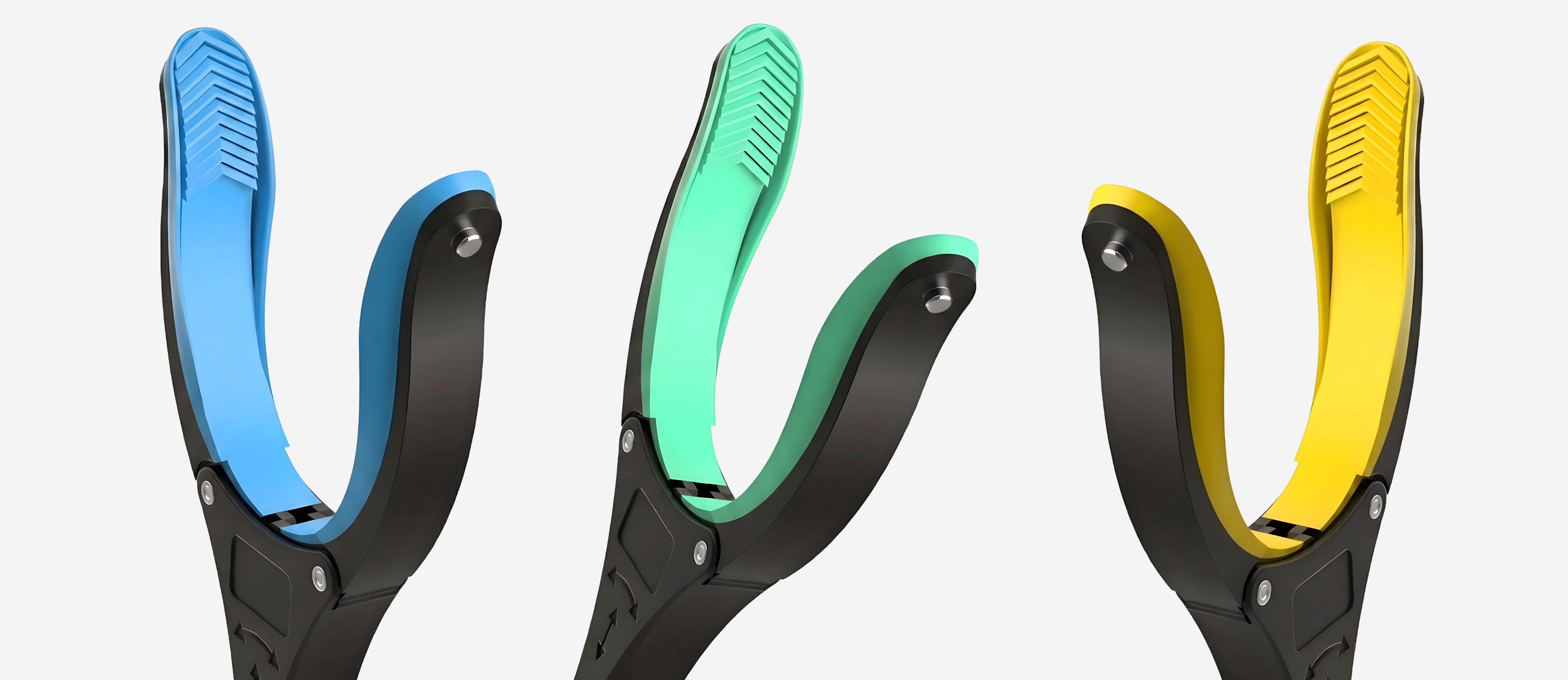
See the Electric Jar Opener and 32-inch Reacher for frailty kitchen support in older adults.


