

Frozen shoulder (adhesive capsulitis) is a condition characterized by progressive pain and restriction of shoulder range of motion due to inflammation and fibrosis of the glenohumeral joint capsule, which thickens, contracts, and adheres, restricting shoulder movement. Frozen shoulder is more common in people aged 40-60, in women, and is strongly associated with diabetes (a major risk factor, with higher incidence and more resistant course), thyroid disease, and periods of shoulder immobilization (after injury or surgery). Frozen shoulder classically progresses through three overlapping phases: the freezing (painful) phase (progressive pain and increasing stiffness, lasting weeks to months); the frozen (adhesive) phase (stiffness predominates with less pain, but range of motion is severely restricted, lasting months); and the thawing (recovery) phase (gradual return of range of motion over months to years). Frozen shoulder characteristically restricts both active and passive range of motion (distinguishing it from rotator cuff problems where passive range is preserved), with external rotation and abduction (raising the arm out and up) particularly limited. The condition is often self-limiting over 1-3 years but can be prolonged and disabling, and treatment (physical therapy, corticosteroid injection, hydrodilatation, and in resistant cases manipulation under anesthesia or arthroscopic capsular release) aims to speed recovery. Kitchen function is significantly affected because frozen shoulder restricts the overhead reach, arm elevation, and rotation that many kitchen tasks require -- reaching cabinets, lifting items overhead, and reaching behind or across.
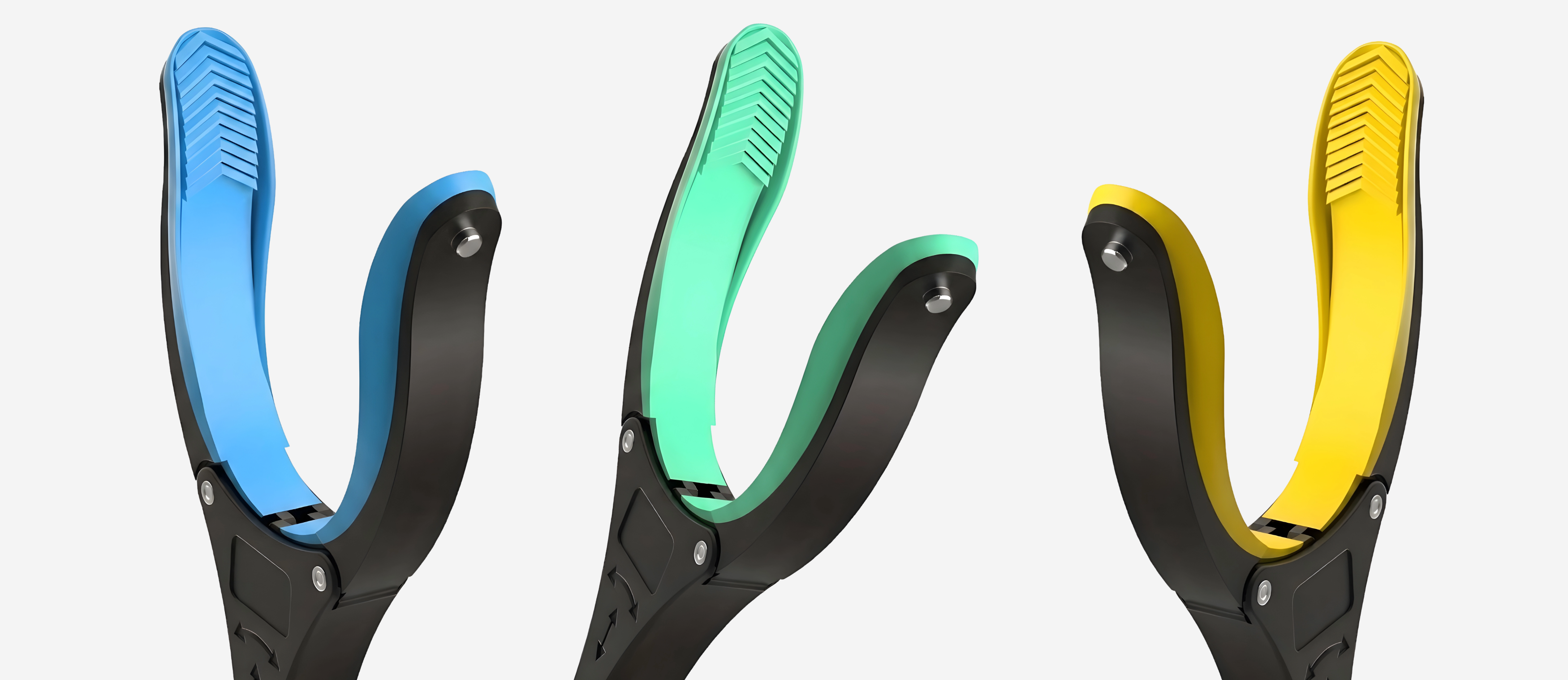
Direct answer: Frozen shoulder kitchen adaptive tools address restricted overhead reach and arm elevation: reachers to retrieve items without raising the affected arm, and kitchen reorganization to accessible heights. The GrabbersTool 32-inch Reacher is the key frozen shoulder kitchen tool -- it retrieves overhead and distant kitchen items without the painful, restricted arm elevation that adhesive capsulitis prevents.
Frozen Shoulder Kitchen Adaptive Strategy
| Frozen Shoulder Phase | Kitchen Impact | Adaptive Solution |
|---|---|---|
| Restricted overhead reach and arm elevation | Frozen shoulder severely restricts shoulder abduction and forward elevation -- the patient cannot raise the affected arm to reach overhead kitchen cabinets, high shelves, or lift items overhead; external rotation restriction affects reaching out and to the side; the restricted range means many standard kitchen tasks requiring arm elevation become impossible with the affected arm; the patient compensates with the unaffected arm, but bilateral overhead tasks and tasks requiring the affected arm are limited; reaching into high cabinets, retrieving items from upper shelves, and overhead reaching are the most affected kitchen activities; the limitation persists through the frozen phase (months) | Reacher grabber (GrabbersTool 32-inch) to retrieve overhead and high kitchen items without raising the affected arm -- the primary frozen shoulder kitchen adaptation replacing the restricted arm elevation; kitchen reorganization to move frequently used items from overhead to accessible counter-to-shoulder height (reducing the need for arm elevation); use the unaffected arm for reaching tasks when possible; avoid tasks requiring affected-arm overhead elevation; the reacher extends functional reach without requiring the restricted shoulder movement |
| Shoulder pain affecting kitchen arm use | In the freezing (painful) phase, frozen shoulder pain is significant -- pain with movement and often at rest and at night; the pain limits use of the affected arm for kitchen tasks (gripping, lifting, carrying, and reaching all provoke pain); the pain is worst with movements toward the restricted range (reaching, rotating); night pain disrupts sleep, contributing to fatigue affecting daytime kitchen function; the painful phase makes the patient protective of the arm, further limiting kitchen use; as the condition progresses to the frozen phase, pain lessens but stiffness continues to limit function | Reduce affected-arm use during the painful frozen shoulder phase (use the unaffected arm and adaptive tools); reacher grabber to avoid painful reaching movements; lightweight kitchen tools to reduce affected-arm loading; avoid movements toward the painful restricted range; pain management (NSAIDs, corticosteroid injection per physician) reduces pain and can facilitate physical therapy; physical therapy (gentle range of motion within pain limits, progressing as the condition allows) is central to frozen shoulder recovery; heat before activity may reduce stiffness |
| Recovery, physical therapy, and diabetes considerations | Frozen shoulder is often self-limiting over 1-3 years but recovery can be slow; physical therapy is central to maintaining and regaining range of motion; the thawing phase brings gradual return of function, and kitchen tasks progressively become easier as range of motion returns; diabetes is a major frozen shoulder risk factor and is associated with a more resistant and prolonged course (diabetic patients may have bilateral or recurrent frozen shoulder) -- glycemic management is relevant; the affected arm should be kept active within comfortable limits (complete immobilization worsens stiffness); kitchen tasks (within range) can serve as functional activity supporting recovery | Continue reacher grabber use through the frozen shoulder frozen phase until range of motion recovers; progressive return to overhead kitchen tasks as the thawing phase restores arm elevation; physical therapy is essential for frozen shoulder range of motion recovery (adherence to the home exercise program); keep the affected arm active within comfortable limits during kitchen tasks (gentle use supports recovery, complete disuse worsens stiffness); glycemic management for diabetic patients (diabetes worsens frozen shoulder course); orthopedic or physical therapy follow-up; the reacher bridges the functional gap during the months of restricted range of motion |
See the 32-inch Reacher for frozen shoulder kitchen overhead reach restriction support.


