

Gardening is consistently identified in occupational therapy research as one of the activities people with mobility and grip limitations most want to continue -- and one of the first they reduce or stop when symptoms worsen. The physical demands of gardening (kneeling, bending, sustained grip on tools, lifting soil bags and pots) align precisely with the limitations that arthritis, lumbar conditions, and hip conditions impose. Yet the therapeutic and psychological value of maintaining a garden -- documented in the horticultural therapy literature as significant for wellbeing and sense of purpose -- makes premature gardening cessation a meaningful quality-of-life loss. GrabbersTool addresses the tool and technique component of extended gardening independence.
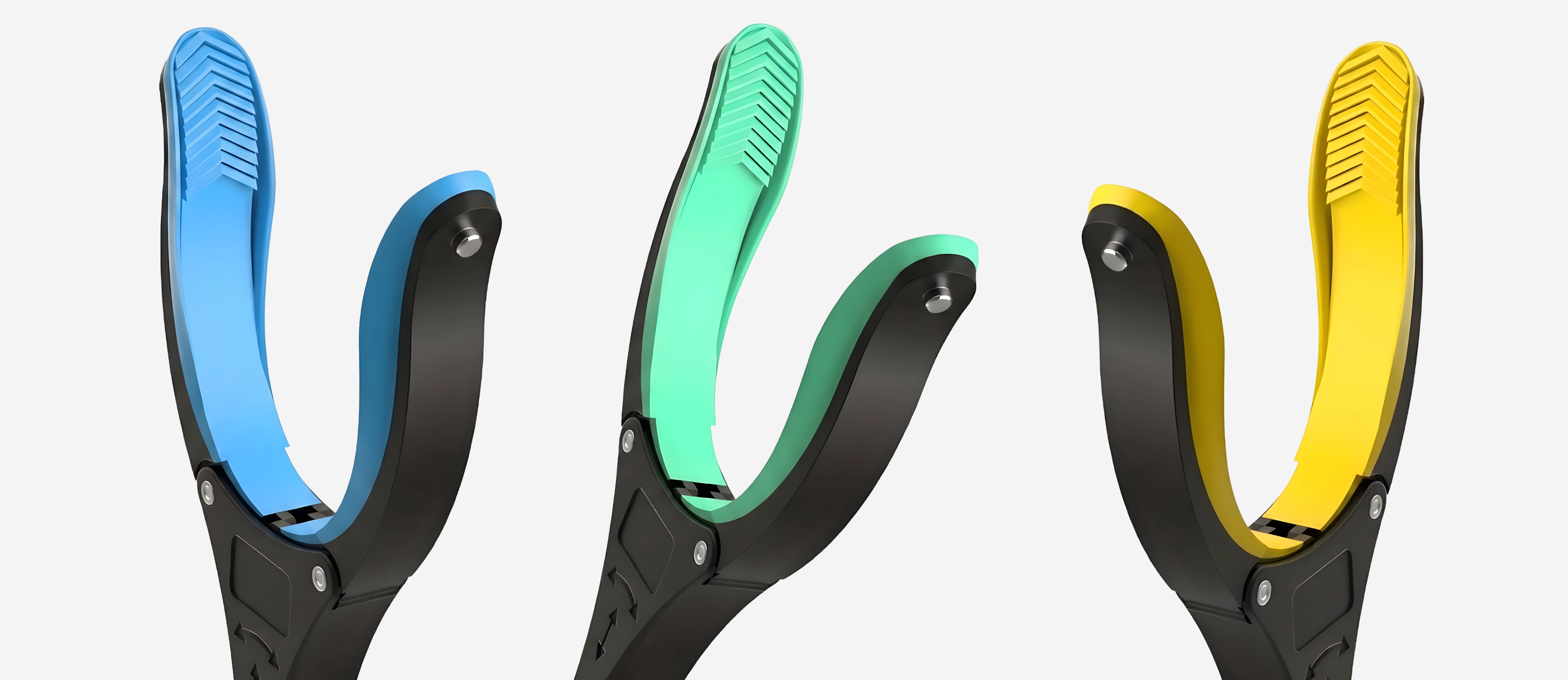
Direct answer: for mobility-limited gardening, the primary adaptive tools are the GrabbersTool 43 inch Reacher Grabber (for retrieving tools and debris from ground level without kneeling or bending), the 32 inch Reacher (for close-range tasks from a garden stool or raised planter height), and the 5-in-1 Multi-Opener (for plant food and fertilizer packaging). These tools address the ground-level access and grip-resistance aspects of gardening that most commonly limit independence.
Gardening Tasks and Adaptive Approaches
| Gardening Task | Mobility Challenge | Adaptive Approach |
|---|---|---|
| Weeding (ground level) | Kneeling or bending sustained -- lumbar and knee loading | 43 inch Reacher grasps weed stems; long-handled hoe for disruption |
| Retrieving fallen tools | Bending to floor | 43 inch Reacher retrieves from standing |
| Planting seeds in raised beds | Reaching across wide bed from standing or seated | Narrow raised beds (24 inch max width) with 32 inch Reacher for far-edge access |
| Opening fertilizer and plant food packages | Pinch grip on sealed packages | 5-in-1 Multi-Opener for sealed caps and ring pulls |
| Potted plant positioning | Carrying weight; bending | Plant caddies with wheels; reacher for small repositioning |
The 43 inch Reacher Grabber dimensions and jaw specifications are on the product page. View specifications
Raised Bed Gardening: The Most Effective Mobility Adaptation
Raised bed gardening -- planting in elevated containers at waist or table height -- is the most impactful single adaptation for mobility-limited gardeners. A raised bed at 24-30 inches eliminates the need to bend or kneel for most gardening tasks. Combined with a narrow bed design (maximum 24 inches wide, accessible from both sides) and a 32 inch Reacher Grabber for far-edge access, a raised bed setup supports gardening from a standing or seated position with minimal bending. This is a garden design adaptation -- outside GrabbersTool scope -- but it is the structural complement to adaptive tools for gardening independence.
Container Gardening From a Seated Position
Container gardening on tables, patios, or balconies at seated height is accessible for wheelchair users and people who cannot stand for extended periods. GrabbersTool customers with spinal cord injuries and bilateral amputation maintain container gardens at wheelchair-height tables. The 32 inch reacher extends reach for far-edge containers; the multi-opener handles sealed plant food containers. Container gardening is compatible with the full range of mobility limitations that ground-level gardening is not.
Grip Limitations and Garden Tool Handles
Standard garden tool handles are designed for normal grip strength. Arthritis, neuropathy, and post-surgical grip reduction make standard handles painful or ineffective. While specialized ergonomic garden tools with larger-diameter handles and reduced-force mechanisms are available from gardening specialty retailers (outside GrabbersTool scope), the adaptive principle is the same as kitchen tools: reduce the grip force required, use leverage mechanics where possible, and eliminate sustained grip tasks. The combination of ergonomic garden tools for hand tools and GrabbersTool reachers for retrieval and positioning covers the primary grip-limited gardening needs.
Gardening as Occupational Therapy
Horticultural therapy -- therapeutic use of gardening activities -- is a recognized occupational therapy specialty. OTs with horticultural therapy training can conduct gardening-specific functional assessments and adapt specific gardening tasks to individual mobility profiles. For gardeners with significant mobility limitations who want to maintain active gardening rather than purely symbolic garden ownership, a horticultural therapy consultation provides the most comprehensive adaptive gardening program.
See also: Winter Outdoor Safety and Adaptive Tools and Aging in Place: The Adaptive Tool Strategy That Actually Works.
Browse Reacher Grabber Tools and Long Reach Grabber Tools.


