

Gaucher disease is the most common lysosomal storage disorder, caused by mutations in the GBA gene encoding glucocerebrosidase, leading to accumulation of glucosylceramide in macrophages (Gaucher cells) in the spleen, liver, and bone marrow. Gaucher disease Type 1 (non-neuronopathic, the most common form) presents with hepatosplenomegaly, bone marrow infiltration causing cytopenias (anemia, thrombocytopenia, leukopenia), and progressive bone disease. Bone disease is the most disabling long-term complication: bone crises (acute severe bone pain from infarction), avascular necrosis (AVN, most commonly of the femoral head and humeral head), osteoporosis, and pathological fractures. Hip and knee AVN from Gaucher disease may require joint replacement (THA, TKA). Enzyme replacement therapy (ERT: imiglucerase, velaglucerase, taliglucerase) effectively treats the hematologic and visceral manifestations but has variable effectiveness on bone disease. Substrate reduction therapy (SRT: eliglustat, miglustat) is an oral alternative. Kitchen function in Gaucher disease is primarily affected by bone disease: hip or knee AVN creates hip precautions similar to THA; bone crises cause acute severe pain limiting any activity; thrombocytopenia requires bleeding precaution in the kitchen (knife use risk from low platelet count).
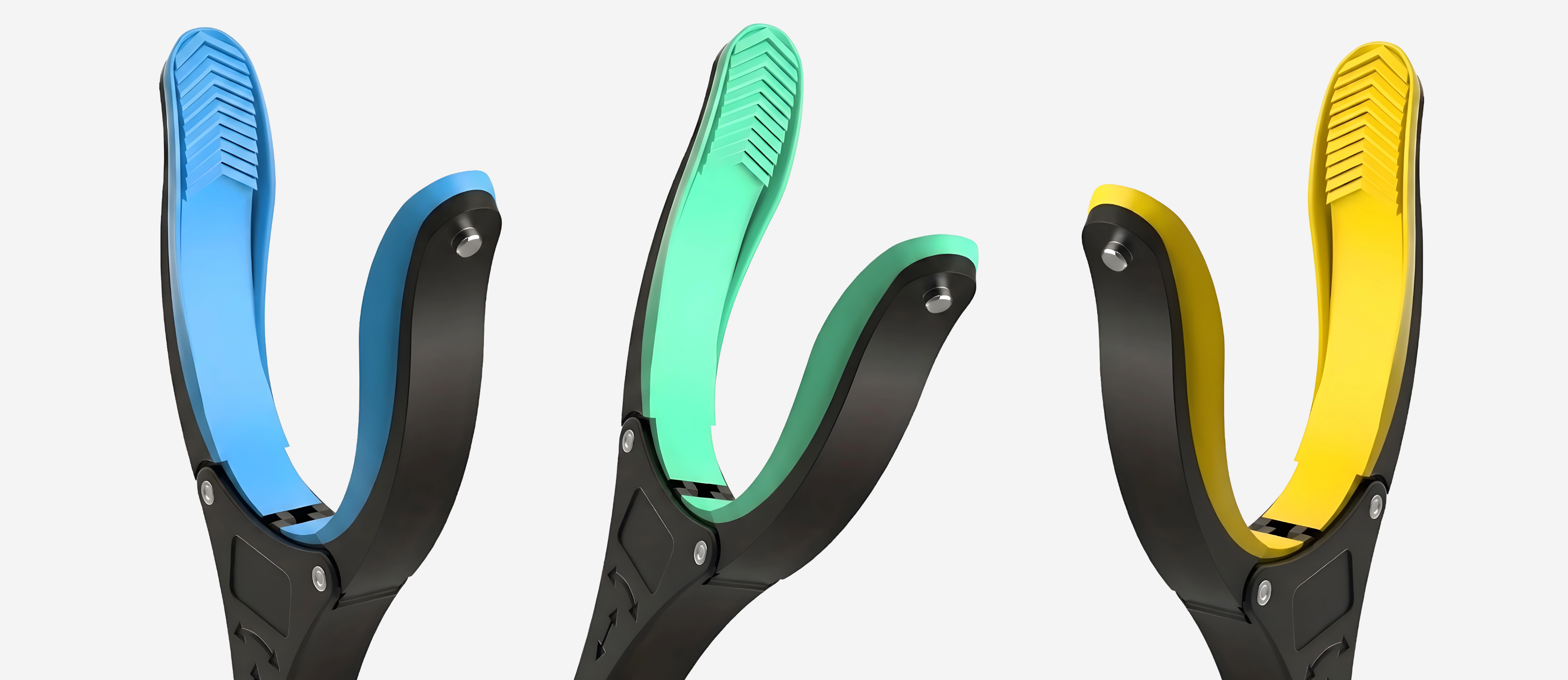
Direct answer: Gaucher disease kitchen adaptive tools depend on the bone manifestation. For hip AVN (hip precautions similar to THA): reacher for low-level item retrieval without hip flexion. For thrombocytopenia: cut-resistant gloves for knife use bleeding precaution. For bone crises: rest until crisis resolves. The GrabbersTool 32-inch Reacher is the key kitchen tool for Gaucher hip AVN hip precautions.
Gaucher Disease Kitchen Adaptive Strategy
| Gaucher Feature | Kitchen Impact | Adaptive Solution |
|---|---|---|
| Hip and knee avascular necrosis (AVN) | Gaucher AVN of the femoral head causes hip pain with weight bearing and movement; advanced hip AVN is treated with THA; prior to THA, the AVN hip pain limits kitchen standing and walking; after THA, standard hip precautions apply (same as THA for any cause): no hip flexion over 90 degrees, no internal rotation, no adduction -- all for 6-8 weeks post-THA; humeral head AVN (shoulder) causes shoulder pain and may limit overhead reach in the kitchen | Reacher grabber (GrabbersTool) for THA hip precautions after Gaucher hip AVN THA; same kitchen adaptive protocol as THA for any cause; kitchen reorganization to waist level during hip precaution period; lightweight pots and pans for humeral head AVN shoulder pain; occupational therapist for Gaucher AVN kitchen adaptation |
| Thrombocytopenia (low platelet count from bone marrow infiltration) | Gaucher thrombocytopenia increases bleeding risk; untreated or undertreated Gaucher may have platelet counts below 50,000 (normal 150,000-400,000); kitchen knife use with low platelets creates significant bleeding risk from even minor cuts; spontaneous bleeding in the kitchen with minor skin trauma; bleeding precautions apply in the kitchen until ERT/SRT normalizes platelet count | Cut-resistant gloves for all knife use during Gaucher thrombocytopenic periods; electric food chopper rather than manual knife for lower cut risk; avoid kitchen tasks with high cut risk when platelets are severely low (below 30,000); ERT normalizes platelet count in most patients over months of treatment; hematologist guidance on specific platelet threshold for kitchen bleeding precautions |
| Bone crises (acute severe bone pain episodes) | Gaucher bone crises cause acute severe pain (often described as the worst pain of the patient life) in the affected bone (commonly femur, spine); during a bone crisis, the patient is typically bedbound or chair-bound; kitchen independence completely lost during bone crisis; bone crises last days to weeks; post-crisis recovery period also limits kitchen function | Caregiver kitchen assistance during bone crises; meal delivery services for acute bone crisis periods; simple kitchen access (microwave meals, simple refrigerator items) for when the patient is not completely incapacitated; ERT reduces bone crisis frequency and severity over time; pain specialist management for bone crisis acute pain |
See the 32-inch Reacher for Gaucher disease hip AVN kitchen support.


