

Heart failure (congestive heart failure) is a chronic condition in which the heart cannot pump blood effectively enough to meet the body needs, leading to symptoms of fatigue, breathlessness, and fluid retention. Heart failure can involve reduced ejection fraction (HFrEF -- the heart pumping function is weakened) or preserved ejection fraction (HFpEF -- the heart is stiff and does not fill properly), with various causes (coronary artery disease, hypertension, valvular disease, cardiomyopathy, and others). Symptoms and functional impact: fatigue (a prominent and disabling symptom -- reduced cardiac output limits energy and exercise capacity), breathlessness (dyspnea with exertion, and in more advanced heart failure, at rest, when lying flat -- orthopnea, or waking at night -- paroxysmal nocturnal dyspnea), reduced exercise capacity and endurance, fluid retention (peripheral edema -- leg and ankle swelling; and pulmonary congestion), and reduced activity tolerance. The fatigue and breathlessness with exertion significantly limit physical activities including kitchen tasks. Additionally, the kitchen is central to the dietary management of heart failure -- sodium restriction (a cornerstone of heart failure management -- excess sodium causes fluid retention and worsens heart failure) and fluid management are implemented through food preparation. Kitchen function in heart failure is affected by: fatigue (limiting kitchen endurance), breathlessness with exertion (kitchen activity provoking dyspnea, especially overhead reaching), reduced standing tolerance (from fatigue, breathlessness, and leg swelling), and the central role of the kitchen in low-sodium heart failure dietary management.
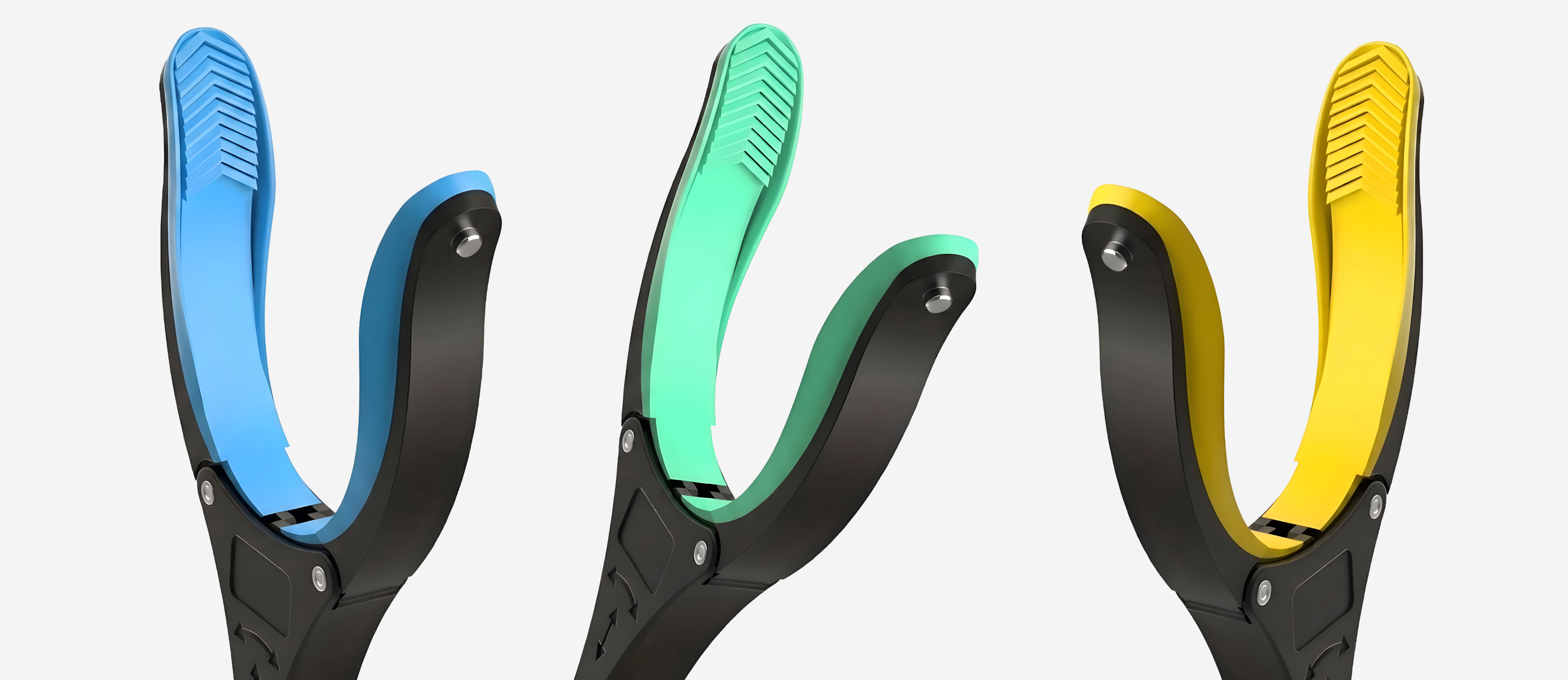
Direct answer: Heart failure kitchen adaptive tools center on energy conservation for fatigue and breathlessness: reachers to avoid overhead reaching (which provokes dyspnea), seated preparation, effort-reducing tools, and low-sodium dietary preparation. The GrabbersTool 32-inch Reacher reduces the overhead reaching that provokes breathlessness in heart failure, and the Electric Jar Opener reduces kitchen exertion.
Heart Failure Kitchen Adaptive Strategy
| Heart Failure Feature | Kitchen Impact | Adaptive Solution |
|---|---|---|
| Fatigue and reduced endurance | Heart failure fatigue is a prominent, disabling symptom -- reduced cardiac output limits energy and exercise capacity, significantly limiting kitchen endurance; sustained kitchen activity (meal preparation) provokes fatigue; the reduced endurance limits the duration and intensity of kitchen tasks; the fatigue fluctuates and worsens with heart failure decompensation; the combination of fatigue and breathlessness limits kitchen activity; energy conservation is central to maintaining kitchen function within the available energy capacity; the fatigue is a key determinant of kitchen functional capacity in heart failure | Energy conservation kitchen strategies for heart failure fatigue (seated kitchen preparation to reduce exertion; pace kitchen tasks with rest breaks; break tasks into segments; sit to work; organize the kitchen to minimize movement and reaching; batch cooking during better periods; simple meals on high-fatigue days); electric jar opener (GrabbersTool) and electric appliances to reduce kitchen physical exertion; kitchen task prioritization; the energy conservation manages the fatigue and limited endurance during kitchen tasks; heart failure medical management (optimizing heart failure therapy) supports energy and function |
| Breathlessness with exertion and overhead reaching | Heart failure breathlessness is provoked by exertion -- kitchen activity (standing, moving, carrying, and overhead reaching) provokes dyspnea; overhead arm reaching is particularly significant (arm elevation increases the work of the heart and breathing, provoking dyspnea); reaching overhead into kitchen cabinets provokes breathlessness; in more advanced heart failure, breathlessness occurs with minimal exertion; the breathlessness limits kitchen activity; lying flat (orthopnea) is uncomfortable, so tasks requiring lying or bending down may provoke breathlessness; the dyspnea with exertion limits the intensity of kitchen tasks | Reacher grabber (GrabbersTool 32-inch) to retrieve overhead and high kitchen items without the arm elevation that provokes breathlessness in heart failure -- reducing a key dyspnea trigger; kitchen reorganization to place items at accessible heights (avoiding overhead reaching); the reacher reduces the breathlessness-provoking overhead activity; seated preparation to reduce the exertion and breathlessness of standing; breathing pacing during kitchen tasks; avoid bending down (which can provoke breathlessness); the adaptations reduce the exertion and breathlessness of kitchen tasks |
| Fluid, sodium management, and heart failure kitchen role | The kitchen is central to heart failure dietary management -- sodium restriction is a cornerstone of heart failure management (excess sodium causes fluid retention, worsening heart failure and causing hospitalizations), and fluid management may be advised; the low-sodium heart failure diet is implemented in the kitchen (avoiding high-sodium foods, not adding salt, reading labels for sodium, and preparing fresh low-sodium meals); leg and ankle swelling (peripheral edema) from fluid retention affects standing tolerance and comfort; the kitchen dietary management is a critical part of heart failure self-management; daily weight monitoring (for fluid retention) is part of heart failure management; the kitchen supports the dietary cornerstone of heart failure care | Low-sodium heart failure kitchen dietary management (prepare fresh, low-sodium meals; avoid high-sodium processed and restaurant foods; do not add salt; read labels for sodium content; use herbs and salt-free seasonings for flavor -- the kitchen implements the sodium restriction central to heart failure management); fluid management per the heart failure team; manage leg swelling (elevate the legs when seated during kitchen breaks; seated preparation reduces the standing that worsens dependent edema); the kitchen is where heart failure dietary self-management happens; the low-sodium meal preparation is a key kitchen role in heart failure; heart failure team and dietitian for dietary guidance; the adaptive tools support energy conservation while the kitchen supports the dietary management |
See the 32-inch Reacher for heart failure kitchen overhead reach and energy conservation support.


