

Huntington disease (HD) is an autosomal dominant progressive neurodegenerative disease caused by an expanded CAG trinucleotide repeat in the HTT gene (greater than 36 repeats). HD causes a triad of motor, cognitive, and psychiatric symptoms. Motor: chorea (involuntary writhing, dance-like movements), dystonia, bradykinesia, rigidity (in the akinetic-rigid variant and in late HD), gait abnormality, dysphagia, dysarthria. Cognitive: executive dysfunction, attention, working memory, and processing speed deficits progressing to dementia. Psychiatric: depression, irritability, anxiety, and in later stages apathy. Kitchen function in HD is affected at multiple levels. Chorea creates specific kitchen safety risks: involuntary arm movements during knife use, hot food carrying, or stovetop cooking create burn, cut, and spill hazards. Dysphagia (aspiration risk from pharyngeal dysphagia) requires texture modification in food preparation. Cognitive decline and executive dysfunction make multi-step recipe following increasingly difficult. Weight loss and hyperphagia (increased caloric demand from chorea-driven hyperkinesia) require high-calorie meal preparation. HD is progressive: kitchen adaptive needs evolve from early chorea safety modification to late-stage dysphagia management and caregiver-administered feeding.
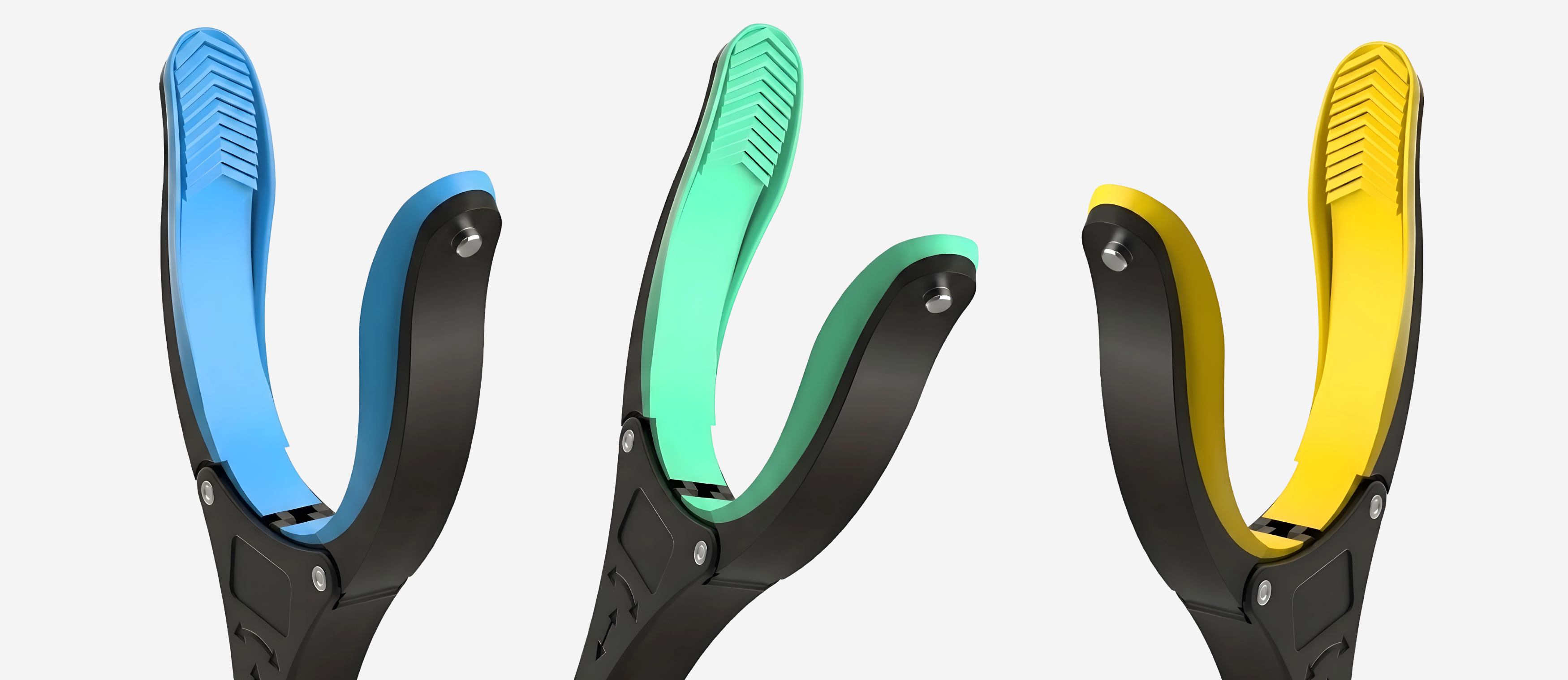
Direct answer: Huntington disease kitchen safety is primarily a chorea-injury-prevention challenge in mid-HD. The key adaptations are: (1) remove sharp and hot hazards from HD patient reach (or supervise knife and stovetop use); (2) use plastic rather than glass; (3) use non-slip surfaces. The GrabbersTool 32-inch Reacher keeps the HD patient away from hot stovetop items and allows retrieval without close approach to hazardous kitchen zones.
Huntington Disease Kitchen Safety Strategy
| HD Feature | Kitchen Safety Risk | Safety Strategy |
|---|---|---|
| Chorea (involuntary movements during kitchen tasks) | Involuntary arm and trunk movements during cooking: knife use with chorea creates laceration risk; carrying hot liquids with choreiform arm movements causes spill and burn risk; close proximity to hot stovetop surfaces dangerous with sudden involuntary movements; dropping dishes and glassware risk from sudden hand release during chorea; the kitchen is one of the highest-injury-risk environments for patients with moderate chorea | Reacher to maintain distance from hot stovetop and oven during retrieval; supervised or assisted knife use in moderate-to-severe chorea; replace glass cookware and dishes with plastic or silicone; non-slip mats throughout the kitchen; induction cooktop (surface does not get hot) rather than open flame gas; caregiver supervision for kitchen tasks in moderate HD |
| Dysphagia (pharyngeal swallowing dysfunction) | HD dysphagia affects the pharyngeal phase of swallowing, creating aspiration risk; rapid eating rate (from impulsive eating behavior in HD) increases aspiration risk; choking episodes during meals; texture modification required as HD progresses (minced and moist food, pureed food) -- the kitchen must prepare texture-modified foods | Speech-language pathologist texture modification recommendations for HD dysphagia; texture-modified meal preparation in the kitchen; slow, supervised mealtimes; IDDSI (International Dysphagia Diet Standardisation Initiative) texture levels as dysphagia progresses; blender and food processor for puree preparation |
| Cognitive decline and executive dysfunction | HD cognitive decline begins early (executive dysfunction before motor symptoms in some cases) and progresses to dementia; multi-step recipe following impaired; sequencing errors in kitchen tasks (forgetting steps, misordering); leaving stovetop unattended; stove safety (turning off burners) increasingly unreliable as executive function declines; judgment for food safety (expiration dates, food temperature) affected | Automatic stove shut-off devices; simple, single-step meal preparation; caregiver oversight for stovetop use as cognitive decline progresses; meal delivery services as kitchen independence declines; HD neuropsychologist and occupational therapist for cognitive-decline kitchen safety planning |
See the 32-inch Reacher for Huntington disease kitchen safety support.


