

Many people, particularly older adults, have multiple conditions (comorbidities) at the same time -- and the combination of conditions can affect kitchen function in compounding ways. It is common for a person to have several conditions that each affect kitchen function -- for example, arthritis (affecting the hands and joints) combined with heart disease (affecting endurance and requiring dietary management), or diabetes (with neuropathy affecting the hands and feet) combined with reduced vision and balance problems, or a neurological condition combined with arthritis and reduced strength. When multiple conditions are present, their effects on kitchen function combine -- the person may have reduced grip (from arthritis) and reduced endurance (from heart or lung disease) and balance problems (from a neurological condition) and reduced vision, all affecting kitchen function together. The combination can be more limiting than any single condition, and the adaptations must address the combined effects. Managing kitchen function with multiple conditions involves: identifying the combined effects on kitchen function (how the conditions together affect gripping, standing, reaching, endurance, safety, and other aspects), using adaptive tools and strategies that address the combined effects (tools for each of the relevant limitations -- grip, reach, standing, endurance, safety, and others), prioritizing safety (which may be affected by multiple factors -- balance, sensation, vision, and cognition), and coordinating with the overall management of the multiple conditions (including any dietary management -- several conditions have dietary implications). An occupational therapy assessment is particularly valuable with multiple conditions, to assess the combined effects and recommend a comprehensive, individualized approach. This guide covers managing kitchen function with multiple conditions and comorbidities. The adaptive tools and strategies address the combined effects of the conditions, supporting kitchen function and safety.
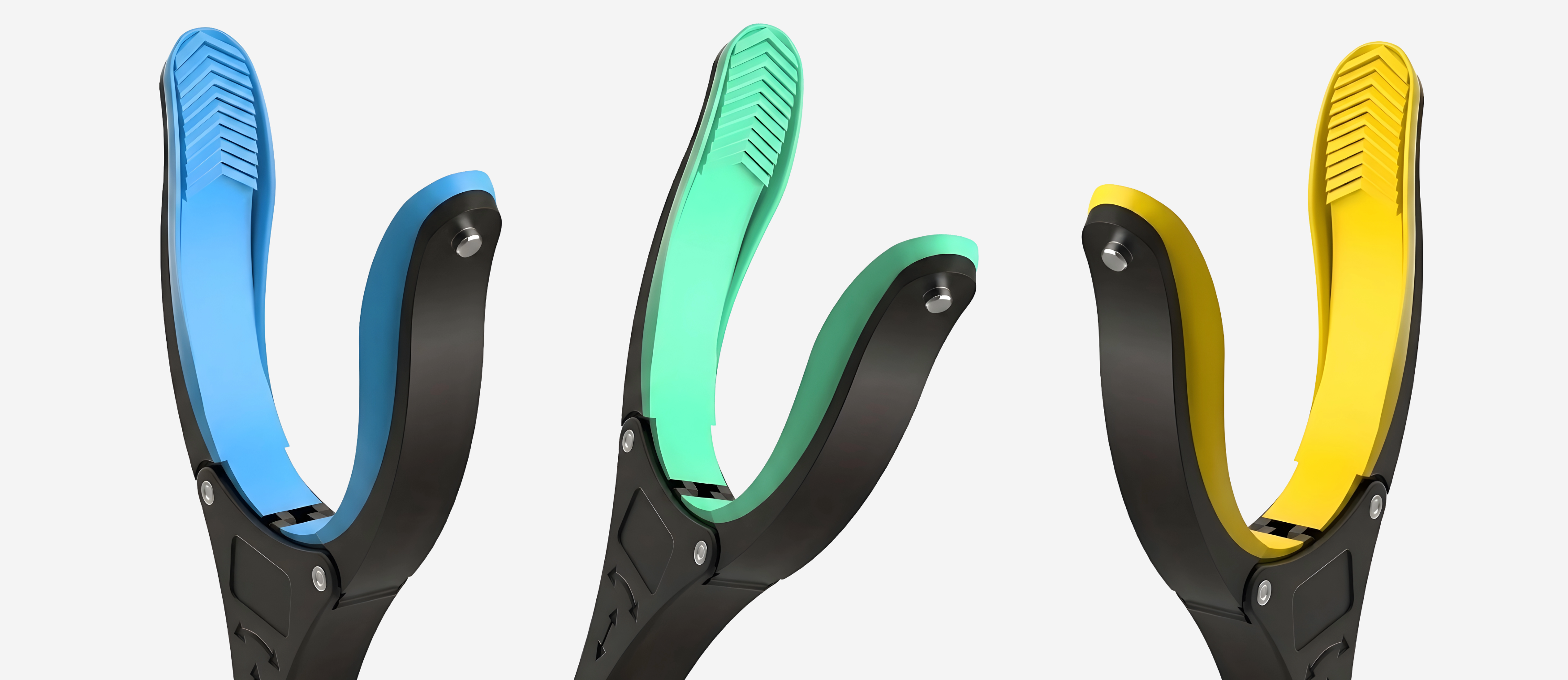
Direct answer: With multiple conditions, kitchen adaptation addresses the combined effects -- using adaptive tools for each relevant limitation (grip, reach, standing, endurance) and prioritizing safety affected by multiple factors, coordinated with the overall condition management. The GrabbersTool Electric Jar Opener and 32-inch Reacher address multiple common limitations -- grip, reach, bending, and effort -- supporting kitchen function with comorbidities.
Managing Kitchen Function with Multiple Conditions
| Multiple Conditions Consideration | Kitchen Impact | Adaptive Strategy |
|---|---|---|
| Combined effects on kitchen function | When multiple conditions are present, their effects on kitchen function combine and compound -- the person may have several limitations at once (reduced grip from arthritis, reduced endurance from heart or lung disease, balance problems from a neurological condition, reduced vision, reduced strength, and others -- in various combinations); the combined effects can be more limiting than any single condition; the different limitations affect different aspects of kitchen function (gripping, standing, reaching, endurance, safety, and others); the combination requires addressing the multiple effects together; identifying how the conditions combine to affect kitchen function is the basis for the adaptations | Identify the combined effects on kitchen function (how the conditions together affect gripping, standing, reaching, endurance, safety, and other aspects); use adaptive tools and strategies that address the combined effects -- tools for each of the relevant limitations (the electric jar opener for grip, the reacher for reach and bending, kitchen seating for standing and endurance, and others as relevant to the person conditions); the tools that address multiple common limitations (the electric jar opener and reacher address grip, reach, bending, and effort -- relevant across many conditions) are particularly valuable; the comprehensive approach addresses the combined effects of the conditions |
| Prioritizing safety with multiple factors | Safety with multiple conditions may be affected by multiple factors -- balance problems, reduced sensation, reduced vision, cognitive effects, and reduced strength (from the various conditions) can each and together affect kitchen safety (fall risk, burn and injury risk, and other risks); the combination of safety-affecting factors may create greater safety risk than any single factor; kitchen safety is a priority with multiple conditions affecting safety; the multiple safety factors require comprehensive safety measures; prioritizing safety is important with multiple conditions | Prioritize kitchen safety with the multiple factors (comprehensive fall prevention for balance, strength, and other factors -- non-slip flooring, stability support, the reacher to eliminate hazardous reaching and bending, and seated preparation; thermal and sharp-edge protection for sensory factors; lighting and contrast for visual factors; simplification and safety measures for cognitive factors); the comprehensive safety measures address the multiple safety factors; the safety is prioritized given the combined risk; the safety measures address the various safety-affecting factors from the multiple conditions |
| Coordinating management and comprehensive support | Managing kitchen function with multiple conditions involves coordinating with the overall management of the conditions -- including any dietary management (several conditions have dietary implications that may need to be balanced -- for example, heart disease -- low sodium, diabetes -- carbohydrate management, kidney disease -- the renal diet; the combined dietary needs require coordination); the overall management of the multiple conditions (medical management, and the various condition-specific considerations) intersects with the kitchen function; an occupational therapy assessment is particularly valuable with multiple conditions (to assess the combined effects and recommend a comprehensive, individualized approach); the comprehensive, coordinated support addresses the multiple conditions | Coordinate the kitchen adaptations with the overall management of the conditions (including any dietary management -- coordinating the combined dietary needs of the conditions, which may need to be balanced -- with the physician and dietitian); an occupational therapy assessment (particularly valuable with multiple conditions -- to assess the combined effects and recommend a comprehensive, individualized approach); the comprehensive, coordinated support addresses the combined effects, prioritizes safety, and coordinates with the overall condition management; the adaptive tools (addressing the multiple limitations), safety measures (addressing the multiple factors), and coordinated management support kitchen function with multiple conditions; the individualized, comprehensive approach is key with comorbidities |
See the Electric Jar Opener and 32-inch Reacher for managing kitchen function with multiple conditions.


