

Multiple system atrophy (MSA) is a rapidly progressive atypical parkinsonian syndrome caused by alpha-synuclein accumulation (synucleinopathy) in oligodendrocytes, causing degeneration of the striatum, cerebellum, and autonomic nervous system. MSA has two clinical variants: MSA-P (parkinsonian predominant: akinesia, rigidity, postural instability, poor levodopa response) and MSA-C (cerebellar predominant: ataxia, cerebellar dysarthria, nystagmus). Both MSA variants share severe autonomic failure: orthostatic hypotension (OH) is often the most disabling feature -- blood pressure drops precipitously on standing, causing presyncope, dizziness, and falls; neurogenic bladder dysfunction; constipation. MSA progresses rapidly compared to PD (wheelchair dependency typically within 5 years of diagnosis). Kitchen function in MSA is challenged by: (1) severe orthostatic hypotension causing dizziness and syncope when rising from seated to standing in the kitchen; (2) cerebellar ataxia in MSA-C causing limb dysmetria (inaccurate reach and grasp in the kitchen) and truncal ataxia (instability while standing at the counter); (3) parkinsonism in MSA-P causing rigidity, bradykinesia, and postural instability; (4) rapid disease progression requiring rapidly evolving kitchen adaptive strategies.
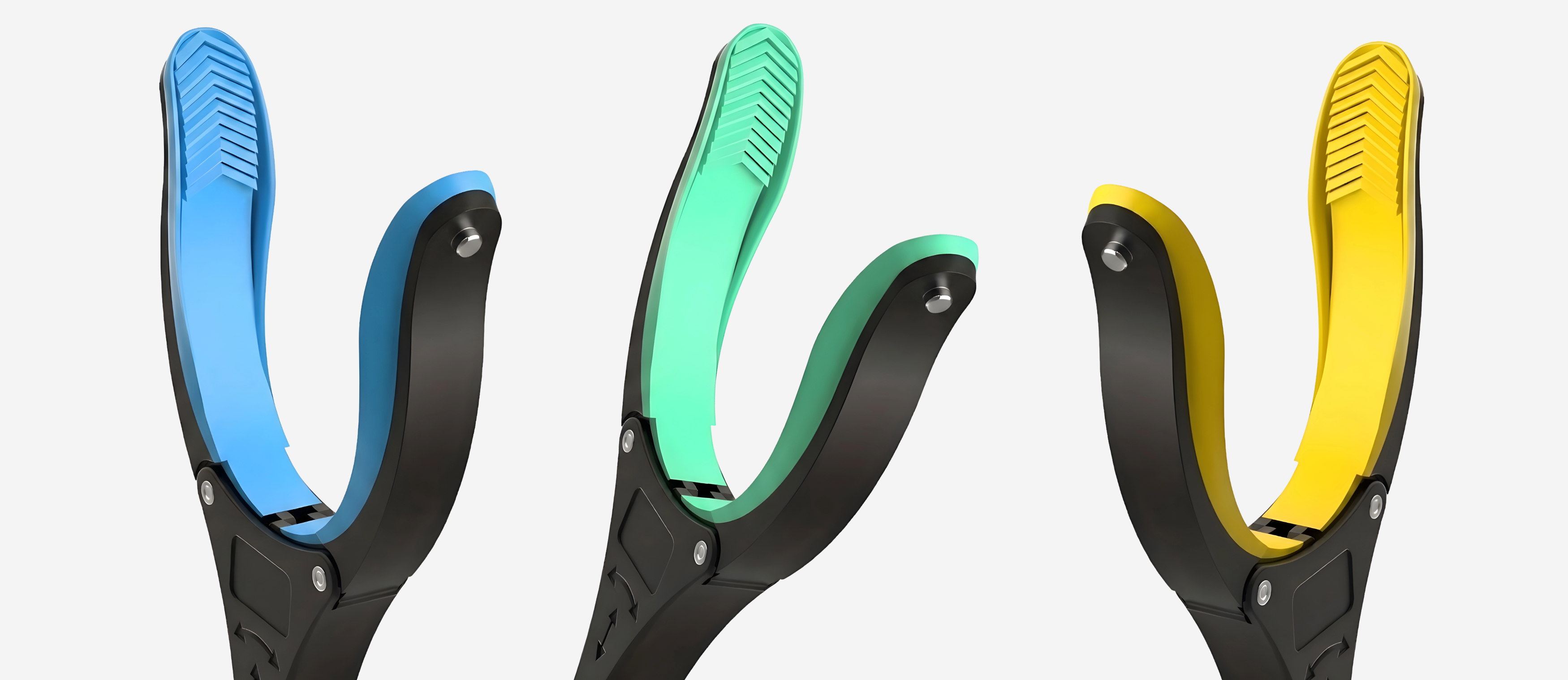
Direct answer: Multiple system atrophy kitchen safety requires addressing severe orthostatic hypotension (sit-to-stand dizziness in the kitchen) and ataxia or parkinsonism. Kitchen independence declines faster in MSA than in PD. The primary strategies are seated kitchen preparation (to minimize standing position changes that trigger OH) and caregiver kitchen assistance. The GrabbersTool 32-inch Reacher reduces the need for positional changes when retrieving kitchen items.
Multiple System Atrophy Kitchen Safety Strategy
| MSA Feature | Kitchen Safety Risk | Safety Strategy |
|---|---|---|
| Severe orthostatic hypotension (autonomic failure) | MSA OH can cause blood pressure drops of 30-40 mmHg on standing; rising from a kitchen chair or from the toilet to walk to the kitchen causes dizziness, presyncope, or syncope and falls; the kitchen requires multiple positional transitions (sitting to standing, turning, walking); OH is often worst in the morning and after meals (postprandial hypotension); the post-meal timing means kitchen clean-up after eating is particularly hazardous | Seated kitchen preparation to minimize standing transitions; rise slowly from kitchen chairs using counter or chair arm support; avoid standing quickly in the kitchen; manage OH per neurologist (fludrocortisone, midodrine, compression garments, salt supplementation); caregiver assistance for the kitchen especially in morning and post-meal periods; intravenous port access to IV fluids occasionally used for refractory MSA OH |
| Cerebellar ataxia (MSA-C limb dysmetria) | MSA-C limb ataxia causes inaccurate reaching and grasping in the kitchen; reaching for a kitchen item may result in overshoot or undershoot; pouring liquids inaccurately; difficulty with fine motor kitchen tasks; truncal ataxia makes standing at the kitchen counter unstable; broken dishes from mis-grasps; hot liquid spills from inaccurate reaching during the pour | Wide-base standing support at the kitchen counter (counter grip, grab bar); weighted utensils may reduce ataxic limb oscillation during use; plastic rather than glass containers and dishes; seated kitchen preparation for truncal stability; reacher used carefully (ataxia affects reacher accuracy); caregiver kitchen supervision for hot liquid tasks in MSA-C |
| Rapid progression (wheelchair dependency within 5 years) | MSA progresses much faster than PD; kitchen adaptive needs evolve rapidly; what works in early MSA (a walking aid) may be insufficient within 1-2 years; caregiver kitchen involvement increases rapidly; meal preparation transitions from independent to supervised to caregiver-managed over a shorter time frame than PD | Proactive kitchen adaptation planning with the MSA team; occupational therapist assessment at regular intervals (every 6 months) to update kitchen adaptations as disease progresses; caregiver kitchen training early in the disease; kitchen modification (grab bars, clear pathways, seated workstation) ideally before needed |
See the 32-inch Reacher for multiple system atrophy kitchen safety support.


