

Night shift workers with chronic pain — arthritis, back conditions, fibromyalgia — face a compounded challenge that daytime workers with the same conditions do not: circadian disruption amplifies pain sensitivity, reduces sleep quality, and increases inflammatory markers. The window for home tasks (cooking, cleaning, household management) occurs either before the night shift (when the person needs to preserve energy for work) or after the shift (when the person is at their most fatigued and most pain-sensitive). In either case, the physical cost of home tasks during these windows is higher than it would be at optimal rest. Adaptive tools that reduce the physical cost of home tasks are more valuable in this context than in a standard daytime routine.
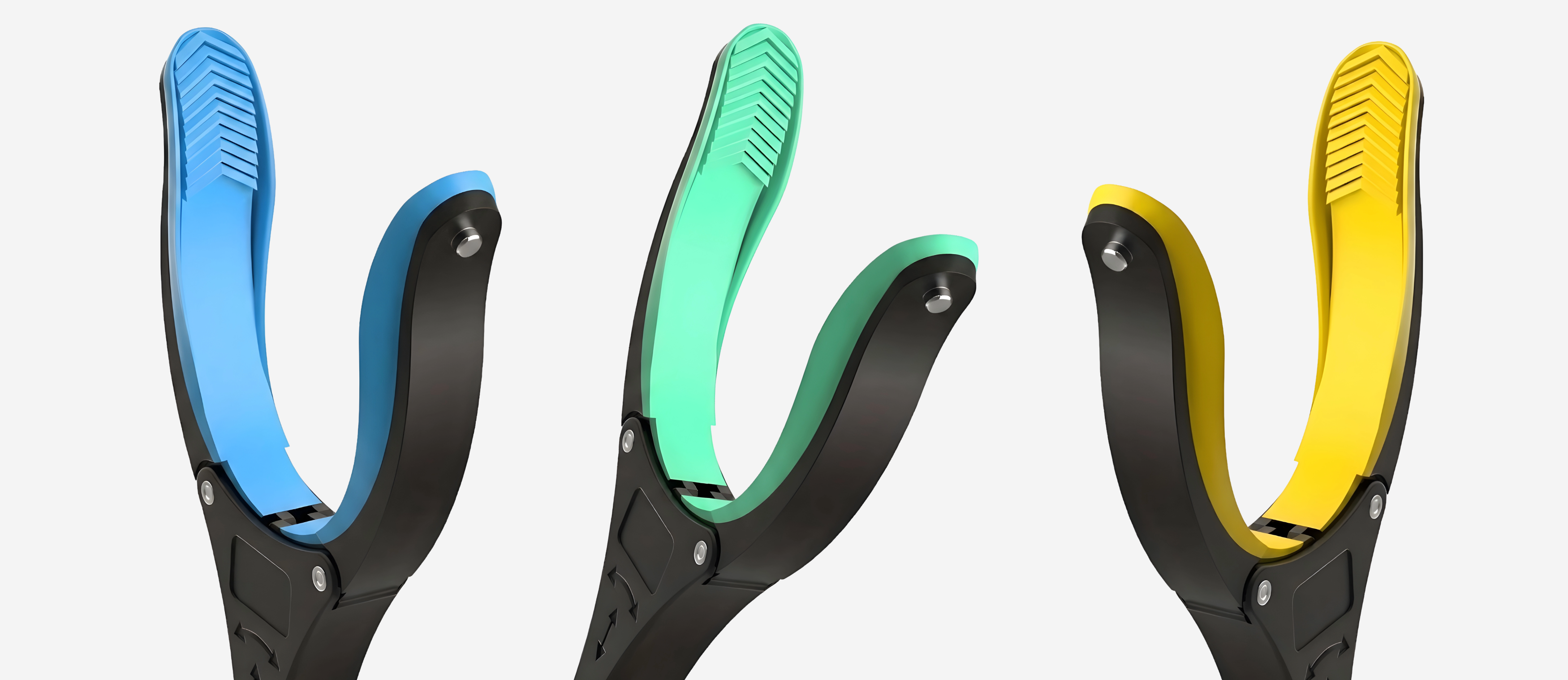
Direct answer: for night shift workers with chronic pain, the priority adaptive tools are those that reduce kitchen task load in the preparation and recovery windows around shift work. The GrabbersTool Electric Jar Opener and Electric Can Opener reduce grip and torque effort during post-shift meal preparation when pain and fatigue are highest. The Reacher Grabber reduces bending during the recovery period. The Standing Assist Tool reduces the effort of chair-to-stand transitions when getting up to prepare food during the recovery window.
The Night Shift Pain Amplification Mechanism
Circadian rhythm disruption in chronic shift workers is associated with increased inflammatory markers, reduced sleep quality, and elevated pain sensitivity — all factors that worsen chronic pain conditions. The specific mechanisms include:
- Cortisol secretion pattern disruption: cortisol provides anti-inflammatory effect during the normal waking period; in shift workers, this pattern is disrupted, reducing the anti-inflammatory benefit during the actual waking period
- Sleep quality reduction: shift workers typically experience shorter sleep duration and lower sleep quality than day workers even at equivalent total hours, reducing the restorative function of sleep
- Melatonin suppression during shift hours: light exposure at night suppresses melatonin, which has its own anti-inflammatory properties
The practical result for a night shift worker with arthritis or fibromyalgia is that pain levels during the post-shift period are typically higher than they would be after daytime work — the combination of work-related fatigue and circadian pain amplification creates a high-load home environment for what should be the recovery period.
The Two Critical Windows: Pre-Shift and Post-Shift
| Window | Energy Status | Primary Need | Adaptive Tool Priority |
|---|---|---|---|
| Pre-shift (2-4 hours before work) | Moderate — energy being conserved for shift | Efficient meal preparation without energy expenditure | Electric Jar Opener; Electric Can Opener for quick meal prep |
| Post-shift (immediate return home) | Low — maximum fatigue; highest pain sensitivity | Minimal-effort food access; reduced movement | All kitchen openers; Reacher Grabber for dropped items without bending |
| Sleep recovery period | Sleeping — tools not used | N/A | Tool placement for on-waking period |
| On-waking (post-sleep) | Variable — depends on sleep quality | Morning stiffness management (similar to standard morning) | Standing Assist Tool at bed; reacher at bedside |
The GrabbersTool electric opener range is designed for single-placement, automatic operation that allows food access with minimal sustained effort — appropriate for the post-shift high-fatigue window. Product specifications including motor mechanism and automatic shutoff are on the respective product pages. View jar opener specifications
The Ergonomic Workplace Connection
Night shift workers with pre-existing musculoskeletal conditions face occupational health management challenges: workplace ergonomics may be designed for daytime work patterns, accommodation requests may be harder to implement on off-shifts with reduced supervisory presence, and the physical demands of some night shift roles (warehousing, healthcare, food service) are higher than the same roles on day shift due to reduced staffing.
Adaptive tools at home serve the recovery function that allows the worker to manage the workplace physical demands: if post-shift home tasks are less physically costly, the recovery capacity available before the next shift is greater.
See also: Fibromyalgia and Daily Living: Managing Chronic Pain With Adaptive Tools and Workplace Accessibility: Using Mobility and Adaptive Tools at Work.
Browse Easy Grip Kitchen Openers and Reacher Grabber Tools for the full range suited to high-fatigue daily living contexts.


