

Abdominal surgery -- including bowel resection, hernia repair, hysterectomy, ostomy creation (colostomy, ileostomy, urostomy), cesarean section, exploratory laparotomy, and many other procedures -- involves incisions through the abdominal wall and a recovery period with specific activity restrictions to protect the healing incision and abdominal wall. Whether performed via open surgery (larger incision through the abdominal wall) or laparoscopically (smaller incisions, generally faster recovery), abdominal surgery recovery typically involves: lifting restrictions (a key precaution -- avoiding lifting heavy objects, commonly restricted to a specified weight limit for several weeks, to prevent incisional hernia and protect the healing abdominal wall repair); avoiding activities that strain the abdominal wall (heavy lifting, straining, and sometimes bending and twisting); incision care and healing (the abdominal incision heals over weeks, with pain and tenderness limiting activity); core and abdominal weakness (the abdominal muscles are affected by the surgery, reducing core strength for lifting, bending, and rising); and, for ostomy patients, learning to manage the stoma and appliance and dietary adjustments. These restrictions and healing considerations significantly affect kitchen function, which involves lifting (pots, groceries, appliances), bending (reaching low items -- which strains the abdominal wall), and standing endurance. The lifting restriction is particularly kitchen-relevant, as many kitchen tasks involve lifting.
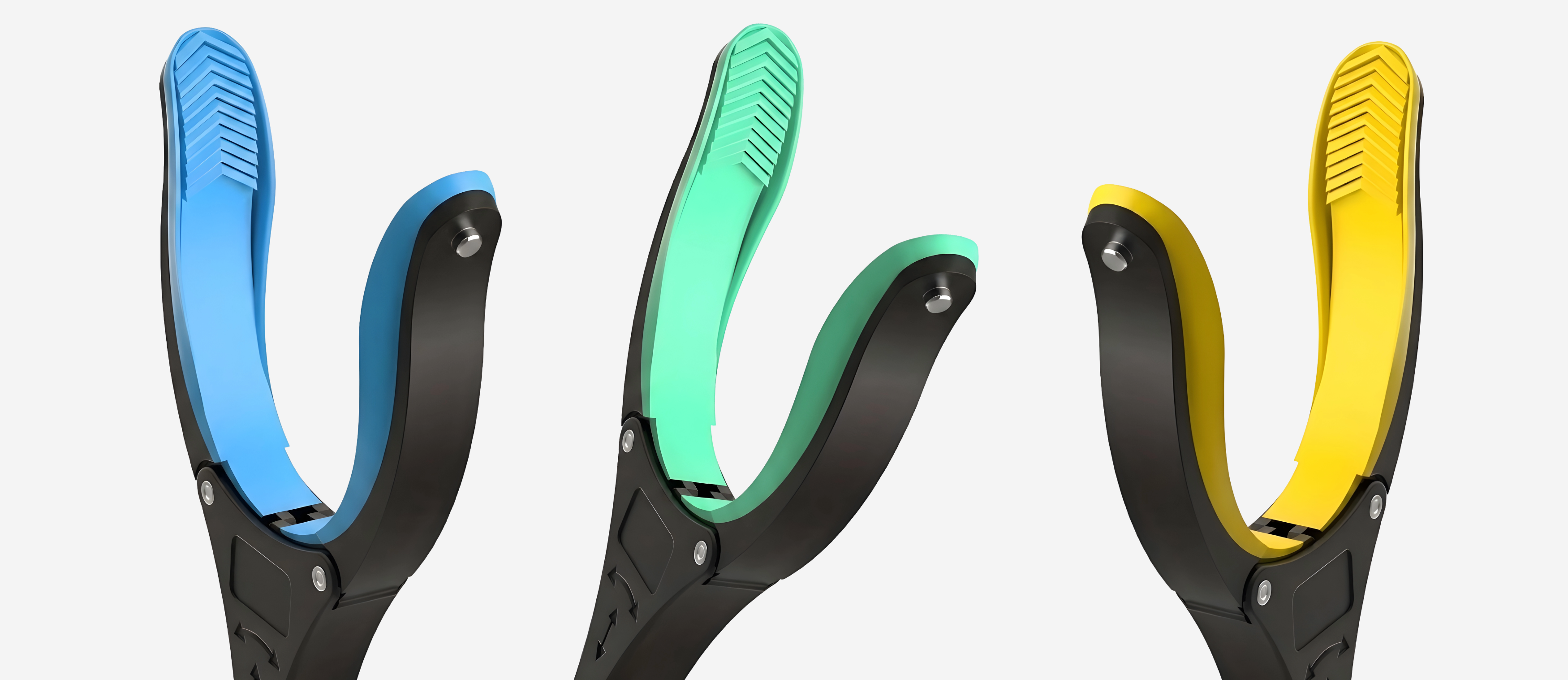
Direct answer: Abdominal surgery recovery kitchen adaptive tools address lifting restrictions and bending limitations: reachers to retrieve items without bending or lifting, lightweight kitchen strategies, and reduced abdominal strain. The GrabbersTool 32-inch Reacher retrieves low and distant kitchen items without the bending and reaching that strain the healing abdominal wall during recovery.
Abdominal Surgery Recovery Kitchen Strategy
| Recovery Consideration | Kitchen Restriction | Adaptive Solution |
|---|---|---|
| Lifting restrictions and abdominal wall protection | Abdominal surgery lifting restrictions (avoiding lifting above a specified weight for several weeks) are a key precaution to prevent incisional hernia and protect the healing abdominal wall -- many kitchen tasks involve lifting that may exceed the restriction: lifting full pots and pans, carrying groceries, lifting heavy appliances and cookware, and moving filled containers; the lifting restriction limits these kitchen tasks during recovery; straining the abdominal wall (heavy lifting, bearing down) risks complications during healing; the restriction period is typically several weeks depending on the surgery and surgeon; kitchen tasks requiring lifting are restricted during this period | Avoid lifting heavy kitchen items during the abdominal surgery restriction period (fill pots with a measuring cup rather than lifting when full; use lightweight cookware; slide items along counters rather than lifting; use a wheeled cart to transport kitchen items; ask for help with heavy items); reacher grabber (GrabbersTool) for retrieving lightweight items without bending or straining; prepare smaller quantities to avoid heavy containers; keep frequently used lightweight items accessible; follow the surgeon specific lifting restrictions; the strategies avoid the lifting and straining that the restriction prohibits |
| Bending and abdominal strain during kitchen tasks | Bending forward and reaching low strain the healing abdominal incision and wall -- reaching into low kitchen cabinets, retrieving floor-level items, loading and unloading low dishwasher racks, and reaching into low ovens and refrigerator drawers involve abdominal wall engagement and bending that cause incision pain and strain during recovery; twisting movements also strain the abdominal wall; the incision tenderness and abdominal weakness make bending uncomfortable and potentially straining; these bending and reaching kitchen tasks are limited during the recovery period; protecting the healing abdominal wall from bending strain supports recovery | Reacher grabber (GrabbersTool 32-inch) to retrieve low and floor-level kitchen items without the bending that strains the healing abdominal wall -- avoiding abdominal strain during recovery; kitchen reorganization to place frequently used items at accessible waist-to-shoulder height (reducing low bending during recovery); avoid twisting and bending movements that strain the incision; support the incision (splinting with a hand or pillow) during any unavoidable straining; the reacher keeps kitchen items accessible without abdominal strain during healing |
| Core weakness, endurance, ostomy considerations, and recovery progression | Abdominal surgery reduces core and abdominal strength (the abdominal muscles are affected by the incision and healing), reducing the strength for lifting, bending, rising from seated positions, and standing endurance during recovery; reduced endurance and post-surgical fatigue limit sustained kitchen activity; ostomy patients (colostomy, ileostomy, urostomy) learn stoma and appliance management and make dietary adjustments (certain foods affect output and gas -- the kitchen is where the ostomy-appropriate diet is managed); as recovery progresses over weeks, activity restrictions are lifted and kitchen function returns; the recovery timeline is surgery-specific | Seated kitchen preparation to accommodate reduced core strength and endurance during recovery (reduces the demand on the healing abdominal wall and conserves energy); energy conservation for post-surgical fatigue (simple meals, task pacing, batch cooking help before surgery for the recovery period); for ostomy patients, ostomy-appropriate dietary preparation in the kitchen (managing foods that affect output, gas, and odor per ostomy nurse guidance) and stoma management; gradual return to lifting and bending kitchen tasks as the surgeon lifts restrictions; the reacher and adaptive strategies bridge the recovery restriction period; surgeon and ostomy nurse guidance for recovery and ostomy management |
See the 32-inch Reacher for abdominal surgery recovery kitchen bending and lifting restriction support.


