

Pacemaker and implantable cardioverter-defibrillator (ICD) implantation generates an adaptive tool need that is widely underestimated: the post-implant arm activity restriction. Following standard transvenous pacemaker or ICD implantation via subclavian or cephalic vein approach, patients are typically restricted from raising the ipsilateral arm above shoulder height and from reaching across the body for 4-6 weeks while the leads mature and anchor. This is not a cardiac limitation -- it is a mechanical one: early lead dislodgement is the primary post-implant complication, and it is caused by arm position that tensions the lead before it has fully adhered to the myocardium. GrabbersTool receives inquiries from cardiac device patients specifically around this one-arm restriction during recovery.
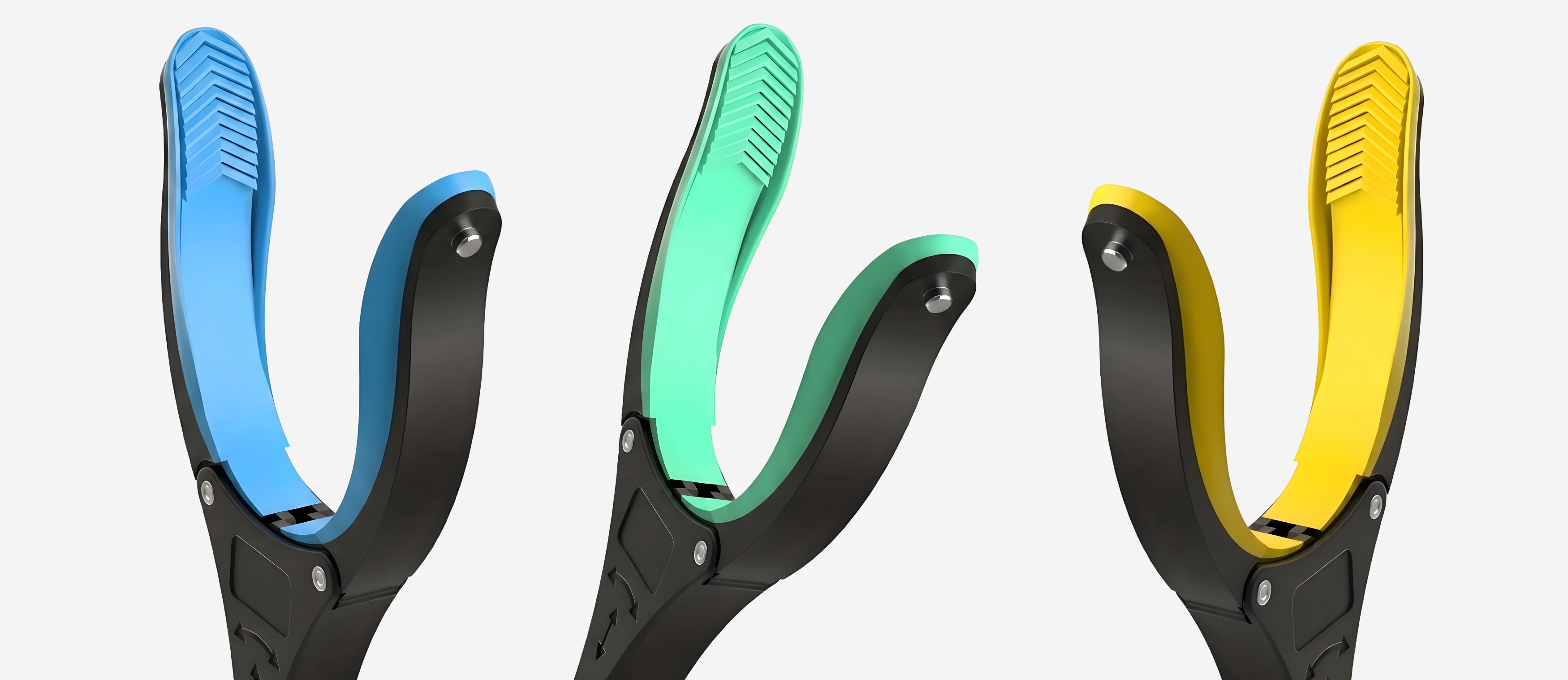
Direct answer: for pacemaker and ICD recovery, the primary adaptive tools address the one-arm restriction: the Reacher Grabber allows retrieval of floor-level and overhead items without raising the restricted arm, the Electric Jar Opener eliminates the two-hand stabilization typically required for jar opening, and the 5-in-1 Multi-Opener handles caps and tabs with one-hand engagement.
Post-Implant Arm Restrictions and Adaptive Tool Response
| Restriction | Daily Living Impact | Adaptive Tool Solution |
|---|---|---|
| No arm elevation above shoulder on implant side | Cannot reach high shelves; overhead reaching prohibited; some dressing tasks restricted | Reacher Grabber for overhead items; reorganize storage to mid-level temporarily |
| No reaching across body | Cross-body reaching is restricted; some kitchen tasks (reaching across counter) impaired | Reacher extends reach without shoulder elevation; position items within non-restricted range |
| One-handed task period | Tasks requiring two hands (jar opening, can opening, stabilizing items) become single-person challenges | Electric Jar Opener; Electric Can Opener; 5-in-1 Multi-Opener -- all operable one-handed |
| Activity limitation (exertion) | Cardiac recovery may also involve general exertion limits beyond the arm restriction | All electric tools reduce exertion; reacher reduces bending exertion |
All product specifications are available on GrabbersTool product pages. View Electric Jar Opener specifications.
Subcutaneous ICD and Leadless Pacemaker Recipients
Not all cardiac implantable electronic devices carry the transvenous lead restriction. The subcutaneous ICD (S-ICD, implanted without leads entering the heart) does not have the same arm elevation restriction because there is no transvenous lead at risk of dislodgement. Leadless pacemakers (Micra, EV-ICD) are implanted transvenously via the femoral vein and anchored directly to the myocardial wall, but they also do not produce an arm restriction. Patients with these devices should confirm their specific restrictions with their electrophysiologist. GrabbersTool adaptive tools remain useful for the general post-implant recovery period -- incision soreness, fatigue, and activity limitation -- even when the arm restriction does not apply.
Long-Term Adaptive Tool Use for Device Recipients
Following the 4-6 week lead maturation period, most transvenous pacemaker and ICD patients return to full arm activity with no residual restriction. Adaptive tools acquired for the recovery period may no longer be needed for device-related reasons. However, many pacemaker and ICD patients have underlying cardiac conditions (heart failure, cardiomyopathy, complete heart block) that produce independent functional limitations -- exercise intolerance, fatigue, dyspnea -- that adaptive tools continue to address. For these patients, the electric openers and reacher remain relevant after lead maturation for the energy conservation strategy that is central to cardiac rehabilitation. See also: Post-Cardiac Surgery Recovery Adaptive Tools Guide.
Browse Easy Grip Kitchen Openers, Reacher Grabber Tools, and Ergonomic Mobility Solutions.


