

Peripheral artery disease (PAD) is atherosclerotic narrowing of the arteries supplying the lower extremities, reducing blood flow to the legs and feet. The classic symptom is claudication -- reproducible calf, thigh, or buttock pain or cramping that occurs with walking a predictable distance and is relieved by rest, caused by the muscles outstripping the reduced blood supply during exercise. In advanced PAD (critical limb ischemia), rest pain and ischemic ulcers develop, particularly at the toes and heel -- areas of pressure and reduced perfusion. Foot wounds in PAD patients (and diabetic patients who often have PAD) are notoriously slow to heal and can progress to amputation if infected. PAD patients have several kitchen-specific functional limitations: standing at the kitchen counter for extended periods aggravates claudication; bending to floor level for dropped items is difficult and may be unsafe due to pain with effort; and foot wound inspection and care -- critical for preventing amputation -- may be difficult without adequate flexibility or reacher tools.
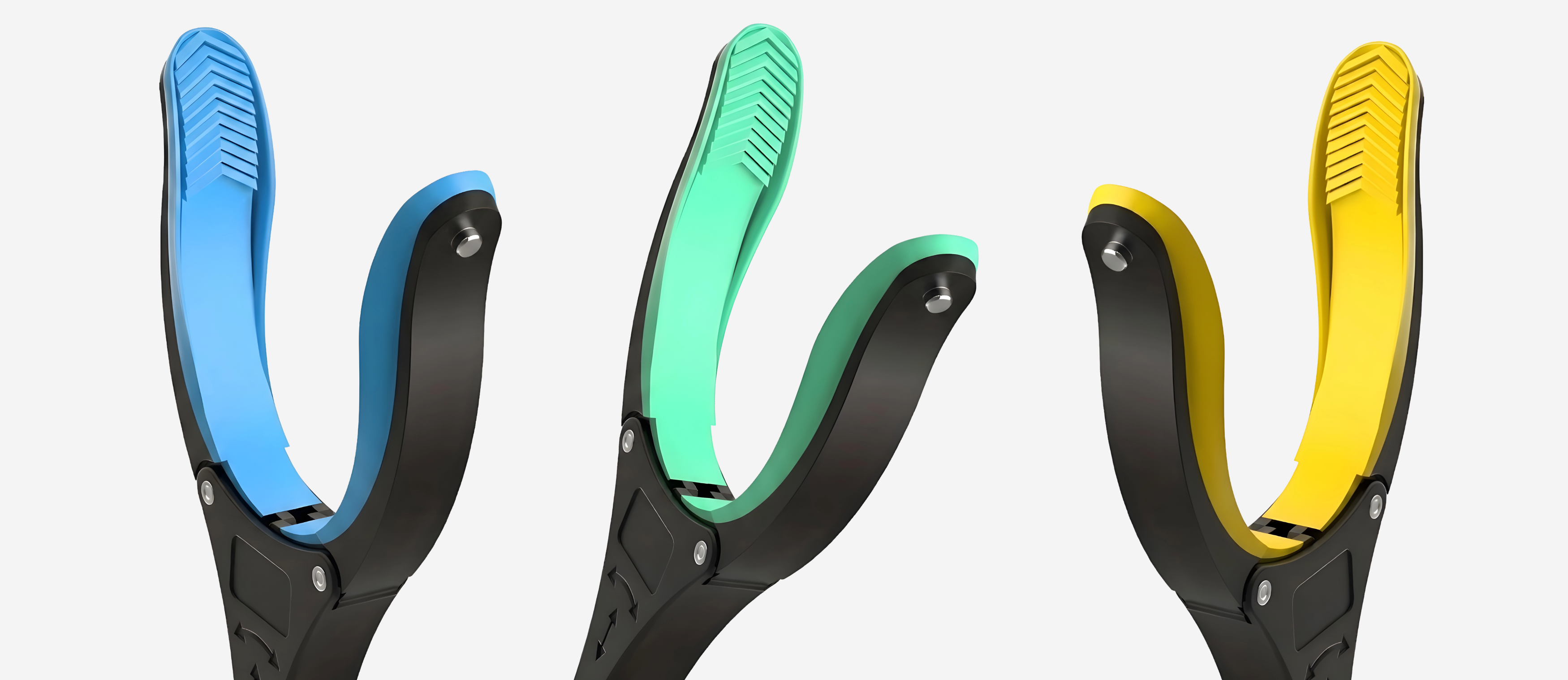
Direct answer: PAD kitchen adaptive tools address claudication (need to reduce prolonged kitchen standing with seated cooking options), foot wound protection (keeping the kitchen floor clear of hazards that could cause foot injury), and foot care independence (reacher and long-handled tools for foot inspection and care without bending). The GrabbersTool 32-inch Reacher is essential for retrieving dropped kitchen items without bending and for floor-level foot care tasks.
PAD Kitchen and Daily Living Adaptive Strategy
| PAD Challenge | Functional Impact | Adaptive Solution |
|---|---|---|
| Claudication with prolonged standing | Standing at kitchen counter for more than the claudication distance (often 5-10 minutes or less in severe PAD) causes calf or thigh pain; forces rest breaks; makes meal preparation exhausting and painful | Seated kitchen workstation; tall stool at counter height; batch cooking with rest intervals; microwave-heavy cooking to reduce standing time; kitchen organization to minimize distance walked |
| Foot wound and ulcer prevention | Kitchen floors may have dropped items (crumbs, food particles, utensils) that could puncture or abrade ischemic feet; bare feet in the kitchen is dangerous in PAD; vision may be impaired in elderly PAD patients who cannot inspect their own feet | Always wear protective footwear in kitchen; reacher to clear floor of dropped items without bending; long-handled inspection mirror for foot self-check; kitchen organization to minimize floor clutter |
| Bending to floor level | Retrieving dropped kitchen items from the floor requires bending or squatting -- limited by claudication pain, joint disease, or simply pain with effort in PAD patients; creates fall risk | 32-inch reacher (GrabbersTool) for floor-level item retrieval; magnetic reacher for metallic cutlery; long-handled dustpan |
| Cold kitchen environment | Cold exposure causes peripheral vasoconstriction, reducing already-limited lower extremity perfusion; cold kitchens exacerbate PAD symptoms | Warm kitchen environment; insulated flooring or anti-fatigue mats (also reduce standing fatigue); warm socks and footwear |
See the 32-inch Reacher and full reacher collection for PAD kitchen and foot care independence.


