

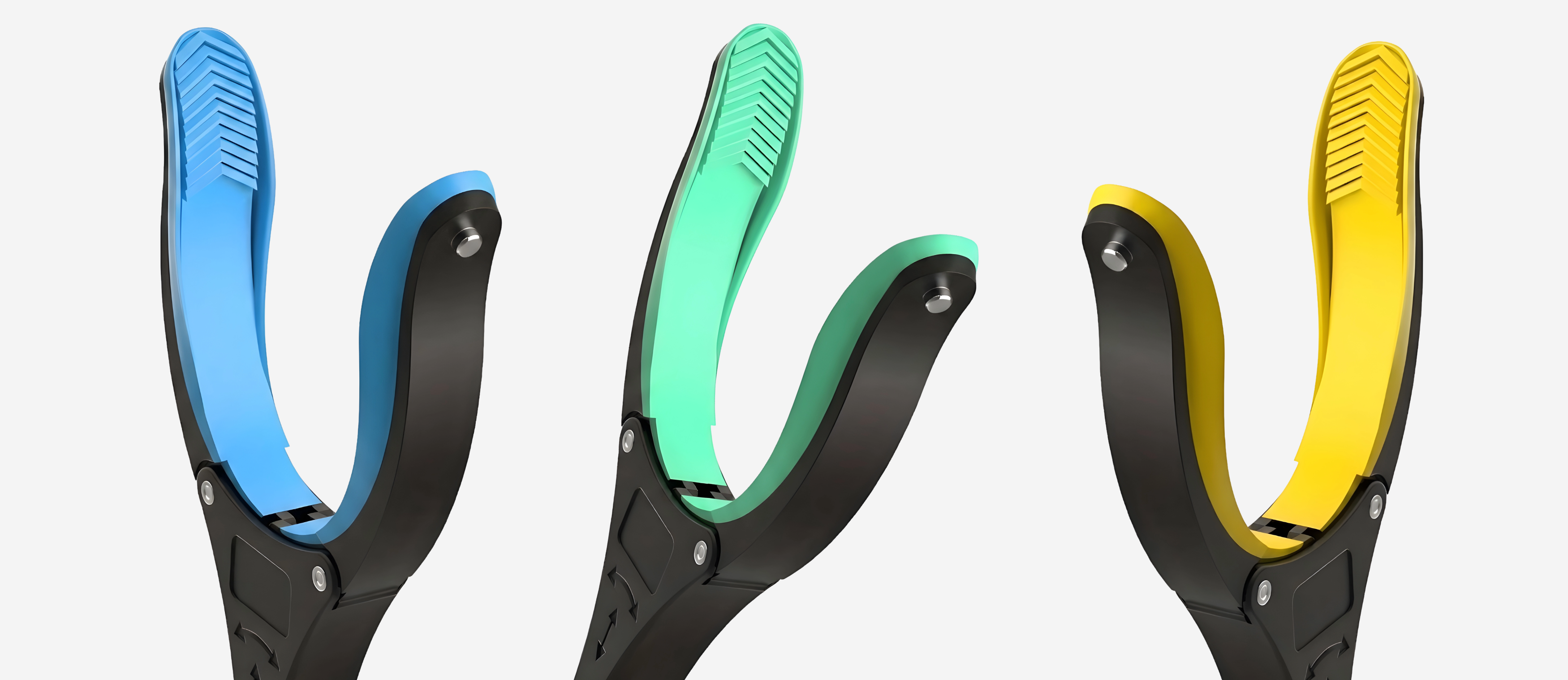
Peripheral artery disease (PAD) creates a functional limitation pattern that is often overlooked in adaptive tool discussions because the primary symptom -- intermittent claudication -- is activity-dependent. Unlike conditions that produce constant limitation, PAD patients may function normally at rest and experience acute, disabling lower extremity pain with walking or exertion. The adaptive tool implications emerge from two PAD-related scenarios that GrabbersTool encounters: claudication-limited walking (affecting outdoor mobility and sustained standing) and lower extremity wounds or post-revascularization recovery (affecting leg elevation requirements, wound protection, and mobility).
Direct answer: for PAD with claudication, the primary adaptive tool is the Walking Cane, which provides support during the symptomatic phase of walking and allows the patient to pause and rest more safely (resting stance with cane support is more stable than unsupported pausing). For patients with lower extremity wounds or post-surgical recovery from revascularization: the Reacher Grabber addresses the bending that wound protection protocols restrict, and the electric openers address kitchen independence during periods of limited mobility.
PAD Presentation and Adaptive Tool Mapping
| PAD Scenario | Functional Limitation | Adaptive Tool Response |
|---|---|---|
| Intermittent claudication (walking-limited) | Calf, thigh, or buttock pain with walking; forced rest stops; distance severely limited; sustained standing limited | Walking Cane for support during walks and rest stops; reacher to reduce sustained standing |
| Critical limb ischemia (rest pain) | Pain at rest in foot; leg elevation worsens pain; walking essentially impossible; severe limitation | Full kitchen adaptive setup; electric openers; reacher; standing assist; cane |
| Post-revascularization (bypass or stent) | Incision protection; reduced activity during recovery; leg may be in non-operative or wound care phase | Reacher for floor items during activity restriction; electric openers for kitchen independence |
| Lower extremity wound or ulcer | Weight-bearing restrictions possible; wound protection from contact; dressing changes requiring care | Reacher for items that require bending; cane for gait support with wound protection |
Specifications for all GrabbersTool products are on the product pages. View Walking Cane specifications.
Claudication Walking Programs and the Walking Cane
Supervised exercise therapy -- specifically structured walking programs -- is a primary treatment for intermittent claudication. These programs involve walking to the onset of claudication, resting until symptoms resolve, and repeating. The walking cane plays a role in this program that goes beyond simple gait support: it provides a stable resting stance during the recovery pause, reduces the energy cost of walking slightly (which may extend pain-free distance), and provides psychological confidence that makes patients more willing to push to the claudication threshold rather than stopping prematurely from fear of the symptom. GrabbersTool customers with claudication who use a walking cane during their exercise program describe increased confidence and willingness to engage in the prescribed exertion compared to unsupported walking.
PAD, Diabetes, and the Dual Neuropathy-Ischemia Profile
PAD is significantly more common in people with diabetes, and the combination of peripheral neuropathy (reduced sensation) and peripheral ischemia (reduced blood flow) creates a particularly high-risk foot and lower extremity profile. For these patients, the adaptive tool needs of both conditions stack: grip limitation from neuropathy suggests electric openers; gait instability from neuropathy suggests a walking cane; PAD-related claudication reinforces the cane need; and the wound risk from neuropathic-ischemic foot makes floor-level bending a safety concern (cannot see foot wound or pressure without bending, which the cane stance and reacher strategy can reduce). See also: Type 2 Diabetes Adaptive Tools Guide.
Browse Ergonomic Mobility Solutions, Easy Grip Kitchen Openers, and Reacher Grabber Tools.


