

Post-polio syndrome (PPS) is a late neurological complication occurring decades after acute paralytic poliomyelitis, affecting an estimated 25-40% of polio survivors (a population of approximately 15-20 million globally). The pathophysiology involves the late degeneration of enlarged motor units -- during polio recovery, surviving motor neurons sprout collateral branches to reinnervate denervated muscle fibers, creating oversized motor units that support functional recovery; decades later, these oversized motor units fatigue and fail, causing new muscle weakness, fatigue, and pain. PPS diagnostic criteria include: prior paralytic polio with partial or complete recovery; stable neurological function for a minimum of 15 years after acute polio; new onset of two or more of the following: weakness, fatigue (both central and neuromuscular), muscle pain, and functional decline. PPS is distinct from amyotrophic lateral sclerosis (which polio survivors feared but is not more common in PPS). PPS is a clinical diagnosis of exclusion; there is no curative treatment. Kitchen function in PPS is affected by: new weakness (often in muscles that recovered most strongly from acute polio -- the overworked units that are now failing); PPS fatigue (both peripheral neuromuscular fatigue and central fatigue); muscle pain; cold intolerance (affected limbs are often cold, and cold exposure worsens PPS weakness); and progressive functional decline compared to prior polio-era adaptive strategies that may no longer be adequate.
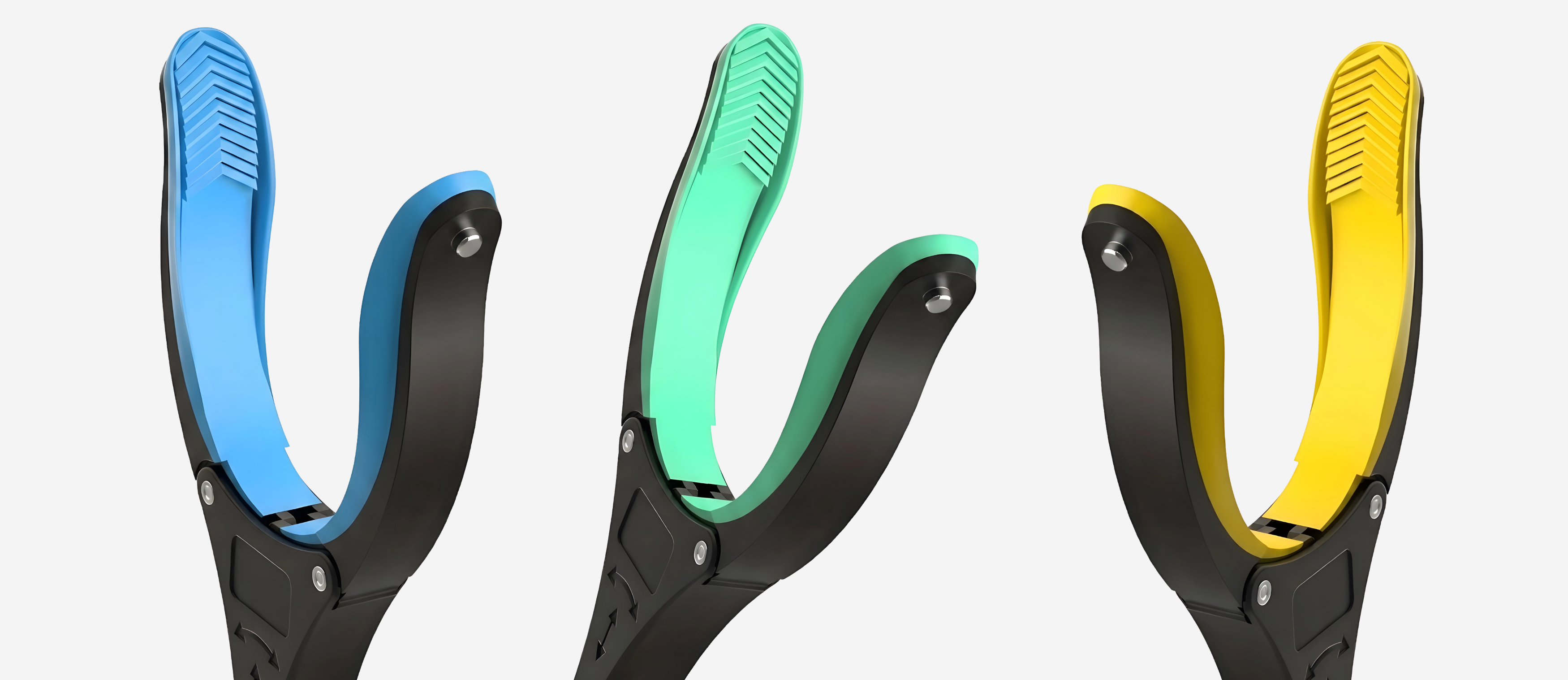
Direct answer: Post-polio syndrome kitchen adaptive tools address new muscle weakness (reacher for reduced upper extremity strength; electric opener for grip and forearm weakness), PPS fatigue (energy conservation, seated kitchen prep), and cold intolerance (kitchen warmth). The GrabbersTool 32-inch Reacher compensates for new PPS upper extremity weakness affecting kitchen reach and the Electric Jar Opener compensates for PPS forearm and grip weakness.
Post-Polio Syndrome Kitchen Adaptive Strategy
| PPS Feature | Kitchen Impact | Adaptive Solution |
|---|---|---|
| New muscle weakness in previously affected muscles | PPS new weakness often affects the most-recovered muscles -- polio survivors who regained hand and arm function after acute polio may experience new hand, wrist, or shoulder weakness in PPS; deltoid weakness limits kitchen overhead reach; grip weakness impairs jar opening, pot carrying, and utensil use; triceps weakness affects kitchen pushing tasks; if bulbar muscles were involved in original polio, PPS may affect swallowing; lower extremity PPS weakness increases fall risk in the kitchen; PPS weakness is use-exacerbated -- overusing weak muscles accelerates motor unit failure (the fundamental PPS pathophysiology) | Reacher grabber (GrabbersTool) for overhead kitchen reach with PPS deltoid weakness; electric jar opener (GrabbersTool) for PPS grip and forearm weakness; lightweight kitchen tools to compensate for reduced carrying strength; seated kitchen preparation to offload PPS lower extremity weakness; avoid overexerting weak muscles (PPS energy conservation is mandatory, not optional -- overwork accelerates motor unit degeneration); OT evaluation for PPS-specific kitchen adaptive equipment prescription |
| PPS fatigue (central and neuromuscular) | PPS fatigue has two components: peripheral neuromuscular fatigue (the oversized, failing motor units exhaust rapidly during use -- kitchen tasks cause muscle fatigue far faster than in healthy individuals) and central fatigue (PPS patients experience a profound central exhaustion similar to but distinct from ME/CFS that can follow physical activity and persist for hours to days); PPS fatigue is activity-exacerbated and is often the most disabling PPS symptom; kitchen activities in the morning when PPS fatigue is lowest are best; post-exertional fatigue (PPS crash) can follow sustained kitchen activity by hours, not minutes | PPS energy conservation is the primary kitchen adaptive strategy: rest before kitchen tasks; sit during all kitchen food preparation; time kitchen activities to low-fatigue periods (often morning); batch minimal cooking across the week rather than daily; electric appliances for high-effort kitchen tasks; PPS patients should not push through fatigue (this worsens PPS, unlike deconditioning in healthy individuals); assistive technology for kitchen tasks reduces neuromuscular demand and PPS fatigue trigger |
| Cold intolerance and muscle pain in PPS | PPS-affected limbs often have poor vasomotor regulation and cold intolerance -- cold kitchen environments (air conditioning, cold floors, refrigerator proximity) worsen PPS weakness and pain; PPS muscle pain (distinct from the joint pain of OA) involves aching cramping in weak PPS muscles during and after use; cold worsens PPS muscle cramps and pain in the kitchen; kitchen temperature management is a PPS adaptive consideration | Kitchen temperature management for PPS cold intolerance: kitchen gloves or thermal gloves when handling refrigerated or frozen kitchen items; warm kitchen environment (avoid air conditioning that chills PPS-affected limbs); warm water for kitchen dishwashing rather than cold; PPS muscle pain management: NSAIDs, gentle stretching, avoidance of muscle overwork (the fundamental PPS management principle); neuromuscular medicine specialist or PPS clinic for comprehensive PPS management including kitchen function assessment |
See the Reacher Grabber collection for post-polio syndrome kitchen adaptive tools addressing new PPS weakness.


