

Postural orthostatic tachycardia syndrome (POTS) is a form of dysautonomia characterized by an abnormal increase in heart rate of 30 beats per minute or more (40+ bpm in adolescents) within 10 minutes of standing, without orthostatic hypotension (blood pressure drop), accompanied by symptoms of orthostatic intolerance: lightheadedness, palpitations, tremulousness, visual changes, near-syncope, and in many patients, profound fatigue, cognitive impairment (brain fog), and nausea. POTS disproportionately affects young women (female to male ratio approximately 5:1) and is a leading cause of disability in young adult women. The central physiological problem is inadequate venous return when upright, causing the heart to compensate with tachycardia. Activities performed while standing are the most symptomatic: kitchen cooking involves prolonged standing at a counter or stove, which is one of the most challenging daily activities for POTS patients. Many POTS patients report that cooking is one of the first activities they lose the ability to perform independently.
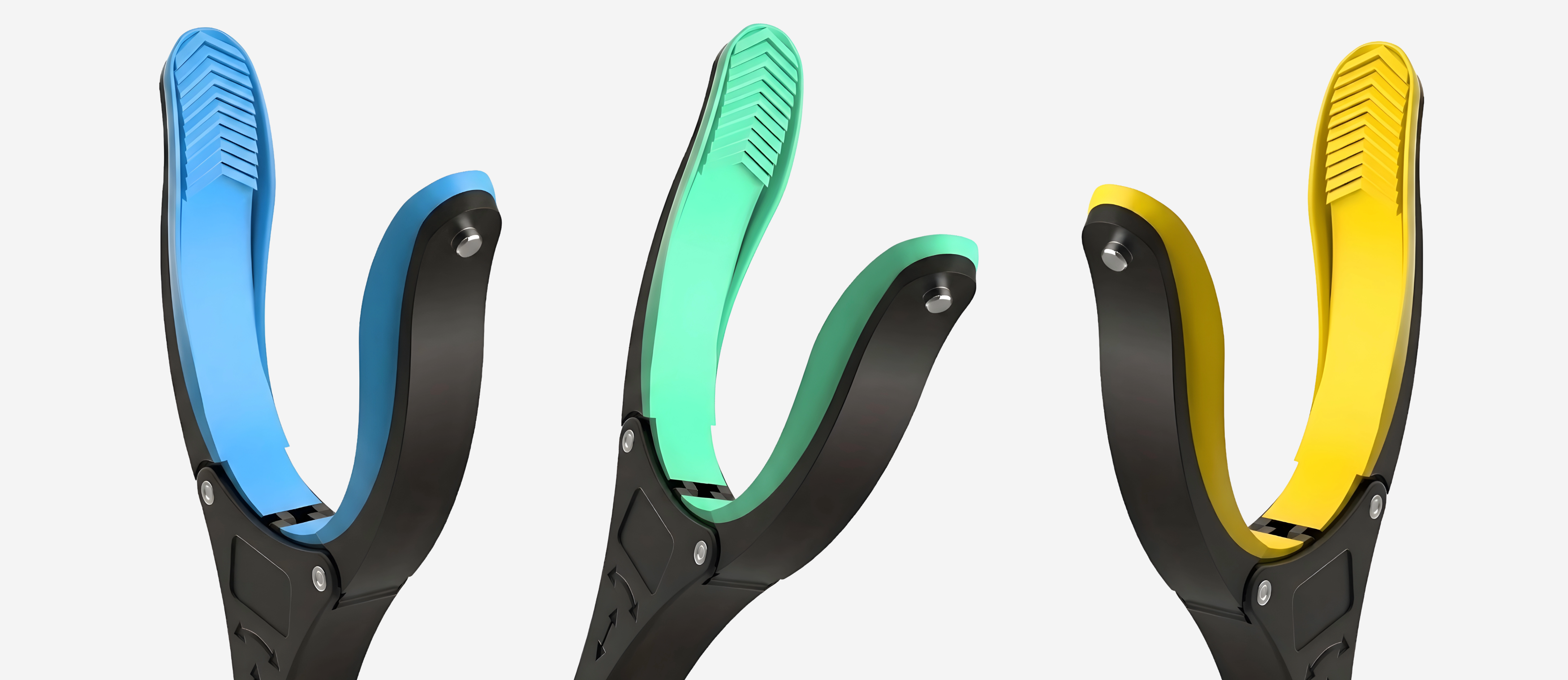
Direct answer: POTS adaptive kitchen tools center on one principle: eliminate standing time. All kitchen cooking should be moved to a seated position -- this is the single most impactful intervention for kitchen independence in POTS. The adaptive tools that support this strategy are: a counter-height stool or perch (to cook at counter level while seated), the electric jar opener (reduces the effort that would otherwise require standing and bracing), and the reacher (reduces standing bending that worsens symptoms). The GrabbersTool Electric Jar Opener and 32-inch Reacher are core tools for the seated POTS kitchen setup.
POTS Kitchen: Seated Cooking Strategy and Adaptive Tool Integration
| POTS Kitchen Challenge | Physiological Reason | Seated Kitchen Solution |
|---|---|---|
| Prolonged standing at stove and counter | Standing reduces venous return; POTS tachycardia and symptoms worsen with each minute upright | Bar stool or counter-height perch at every work area; all cooking done seated; this single change can allow full kitchen independence |
| Bending down for low cabinets and floor | Bending is a positional change that can provoke symptoms; rapidly standing back up from bending triggers tachycardia | Reacher for all floor and low-level retrieval; avoid bending and standing back up; kitchen reorganized so nothing is stored below knee height |
| Jar opening while standing | Manual jar opening requires standing and bracing, prolonging upright time; the exertion spikes heart rate | Electric jar opener allows seated jar opening with minimal exertion; place on counter at seated height; POTS patients should open jars seated every time |
| Cognitive symptoms (brain fog) affecting cooking safety | Cerebral hypoperfusion in POTS causes cognitive difficulties especially while upright; cooking errors increase with symptom burden | Simple meals; seated cooking; timer use; avoid complex multi-step cooking during symptom flares; keep kitchen tasks short |
See the adaptive kitchen tools and Electric Jar Opener for POTS seated kitchen independence.


