

Recovery after hospitalization -- particularly after a significant illness, surgery, or prolonged hospital stay -- often involves a period of deconditioning, weakness, and reduced function that affects the ability to perform daily activities including kitchen tasks. Hospitalization, especially when prolonged or involving serious illness, commonly causes: deconditioning (loss of strength, endurance, and physical function from bed rest, reduced activity, and the illness -- even a relatively short hospital stay can cause significant deconditioning, particularly in older adults), muscle weakness and loss (from immobility, illness, and reduced activity -- hospital-associated muscle loss), reduced endurance and fatigue (from the illness, deconditioning, and recovery), reduced balance and mobility (from the deconditioning and weakness -- increasing fall risk), and the ongoing effects of the illness or surgery that led to the hospitalization. The combination results in reduced function and independence in the recovery period after discharge. Returning home after hospitalization, the person often has reduced ability to perform kitchen tasks compared to before -- the deconditioning, weakness, reduced endurance, and any specific condition effects limit kitchen function. This is often temporary, with function rebuilding over the recovery period through gradual return to activity, rehabilitation, and reconditioning -- but during the recovery, adaptive tools and strategies support kitchen function and safety while function is rebuilt. Nutrition is also important for recovery (the kitchen supports recovery nutrition). Kitchen function during recovery after hospitalization is affected by deconditioning and weakness, reduced endurance and fatigue, reduced balance and mobility (fall risk), and any specific condition effects. Adaptive tools support kitchen function and safety during the recovery. This guide covers rebuilding kitchen function after hospitalization.
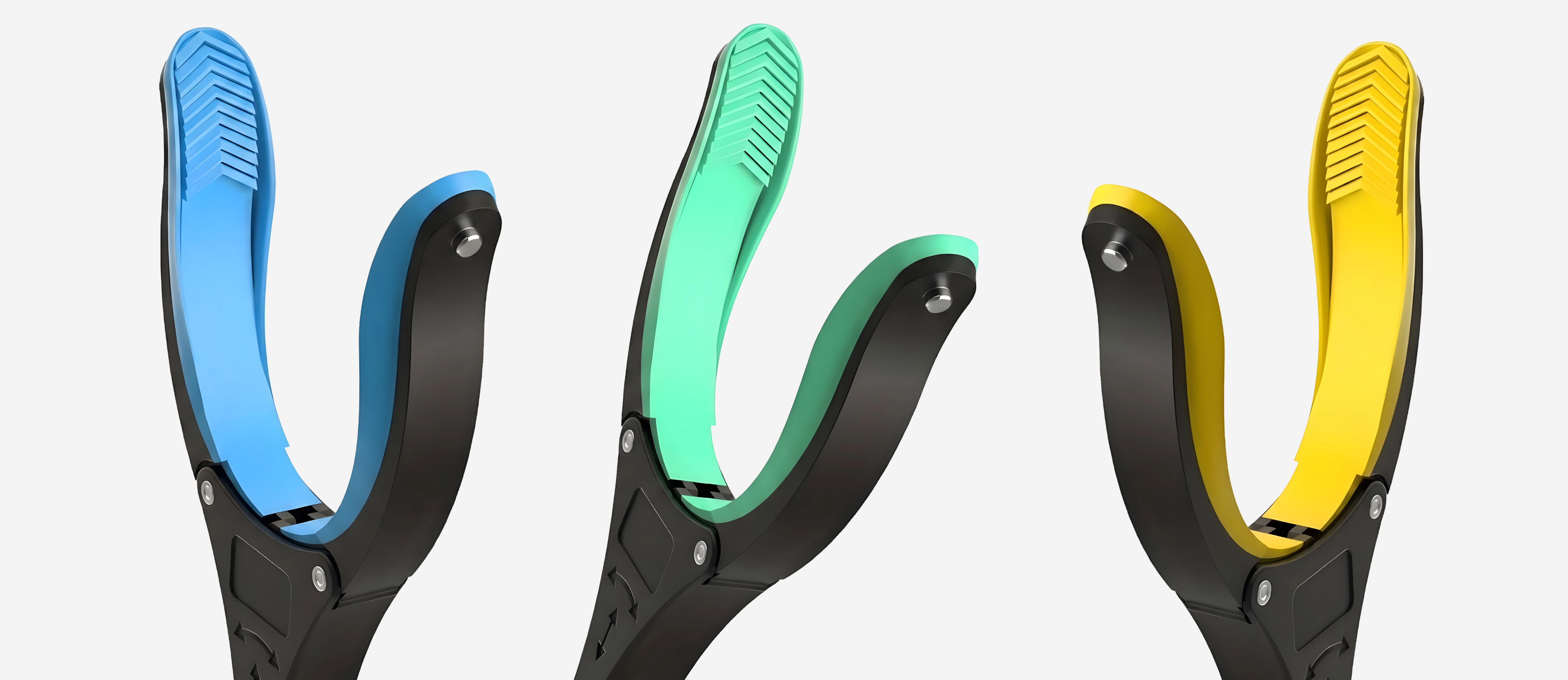
Direct answer: Recovery after hospitalization kitchen adaptive tools support function during deconditioning and reduced endurance while function is rebuilt: energy conservation and effort-reducing tools for weakness and fatigue, fall prevention for reduced balance, and reachers to reduce effort. The GrabbersTool 32-inch Reacher and Electric Jar Opener support kitchen function during post-hospitalization recovery, reducing the effort and fall risk while strength and endurance are rebuilt.
Recovery After Hospitalization Kitchen Strategy
| Recovery Challenge | Kitchen Impact | Adaptive Solution |
|---|---|---|
| Deconditioning, weakness, and reduced strength | Hospitalization commonly causes deconditioning and muscle weakness (from bed rest, reduced activity, and illness -- even a short stay can cause significant deconditioning, particularly in older adults) -- reducing the strength for kitchen tasks (gripping, lifting, carrying, and standing); the weakness affects the ability to perform kitchen tasks that were manageable before the hospitalization; the deconditioning is often significant after a prolonged stay or serious illness; the reduced strength affects kitchen function during the recovery; this is typically temporary, rebuilding with reconditioning, but limits kitchen function during the recovery period | Electric jar opener (GrabbersTool) and electric appliances to reduce the strength demand of kitchen tasks during the post-hospitalization weakness; lightweight kitchen tools and cookware (reduce the strength demand); the reacher to reduce the effort of reaching and bending; large-handle tools for reduced grip; the adaptive tools reduce the strength demand while it is rebuilt; gradual reconditioning (progressive return to activity, and rehabilitation -- physical therapy) rebuilds the strength; the adaptive tools support kitchen function during the deconditioning recovery; nutrition supports the reconditioning |
| Reduced endurance, fatigue, and rebuilding activity | Post-hospitalization recovery involves reduced endurance and fatigue (from the illness, deconditioning, and recovery) -- limiting the ability to sustain kitchen activity; the reduced endurance limits the duration of kitchen tasks; fatigue is common during the recovery; the person tires quickly with kitchen activity; energy conservation supports kitchen function within the reduced endurance while it is rebuilt; the endurance rebuilds with gradual return to activity and reconditioning; the reduced endurance limits kitchen function during the recovery period; pacing the return to activity supports the recovery | Energy conservation kitchen strategies for the post-hospitalization reduced endurance and fatigue (seated kitchen preparation; pace tasks with rest breaks; simple meals during the recovery; prepared foods; batch cooking as endurance improves); electric tools to reduce the effort; gradual, paced return to kitchen activity (rebuild the endurance gradually -- do not overexert; progressive return supports the reconditioning); the energy conservation and paced return support kitchen function while the endurance is rebuilt; the endurance rebuilds with gradual reconditioning; the adaptive tools and pacing support the recovery |
| Reduced balance, mobility, fall risk, and recovery support | Post-hospitalization deconditioning and weakness reduce balance and mobility -- increasing fall risk (a significant concern, particularly in older adults, where a post-hospitalization fall can cause serious injury and setback); the reduced balance and mobility affect kitchen standing, walking, and safety; the fall risk is elevated during the recovery; any specific condition or surgery effects add their considerations; the kitchen supports recovery nutrition (important for reconditioning and recovery); the combination of adaptive tools, fall prevention, reconditioning, and nutrition supports the recovery of kitchen function; the recovery rebuilds function over time | Fall prevention for the post-hospitalization reduced balance and mobility (non-slip flooring; clear pathways; stability support; seated kitchen preparation to reduce the standing balance demand; the reacher to eliminate balance-challenging reaching and bending -- fall prevention); recovery nutrition (the kitchen supports the nutrition important for reconditioning and recovery -- adequate protein and calories for rebuilding); any specific condition or surgery considerations; rehabilitation (physical and occupational therapy) for the reconditioning; the adaptive tools, fall prevention, reconditioning, and nutrition support rebuilding kitchen function after hospitalization; the function rebuilds over the recovery period; the adaptive tools bridge the recovery |
See the 32-inch Reacher and Electric Jar Opener for recovery after hospitalization kitchen support.


