

Restless legs syndrome (RLS, Willis-Ekbom disease) is a sensorimotor neurological disorder characterized by an irresistible urge to move the legs, typically accompanied by uncomfortable sensations (described as creeping, crawling, tingling, or aching), with a hallmark circadian pattern: symptoms begin or worsen in the evening and night, are partially or completely relieved by movement, and are exacerbated by rest and inactivity. RLS severely disrupts sleep, causing sleep-onset insomnia (the patient cannot lie still as symptoms begin in the evening) and sleep maintenance insomnia (periodic limb movements during sleep, PLMS, may cause arousals even after sleep initiation). The sleep deprivation caused by RLS produces chronic fatigue that significantly impairs daytime function including kitchen capacity. RLS also creates a specific nighttime kitchen challenge: patients who cannot sleep due to RLS symptoms frequently move to the kitchen for nighttime snacks, warm beverages, or to walk around -- making nighttime kitchen use a specific RLS functional domain that is distinct from daytime cooking.
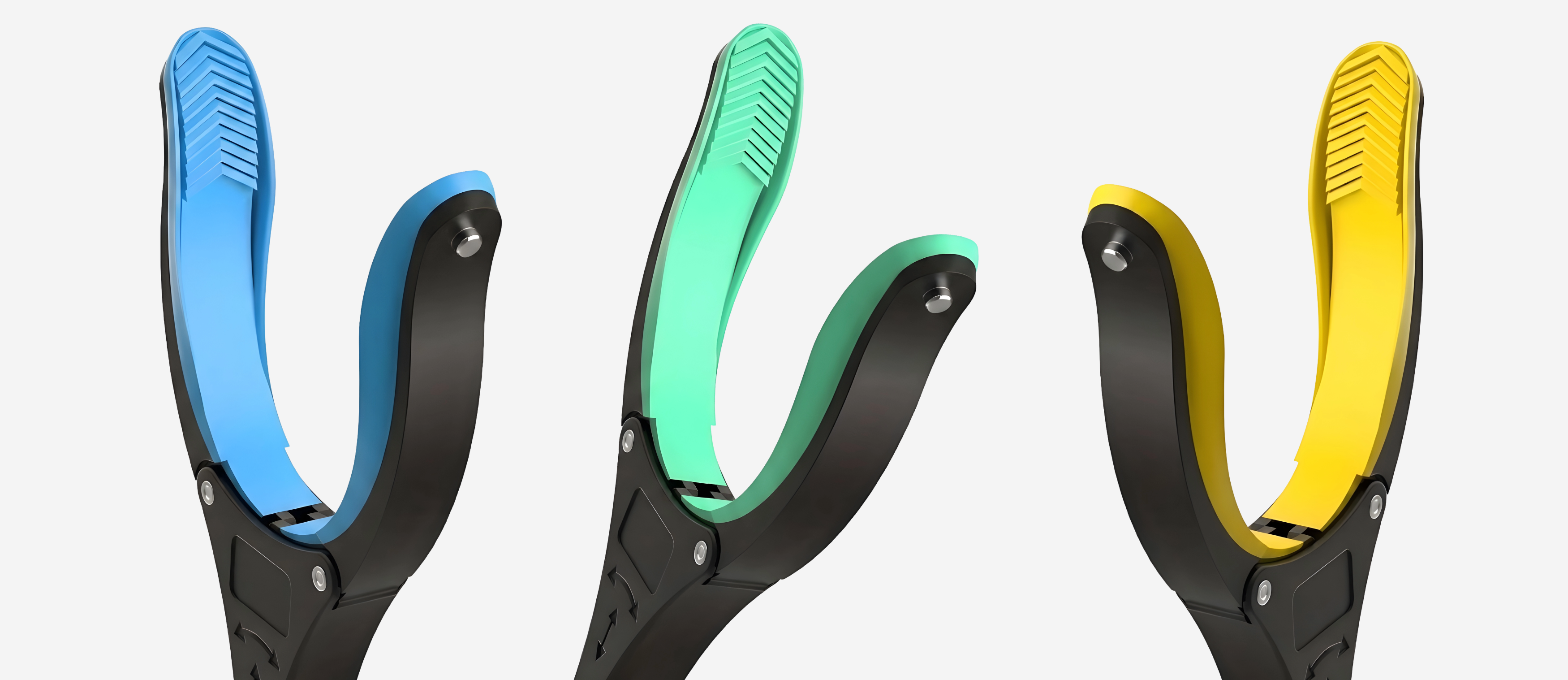
Direct answer: RLS adaptive kitchen tools address two situations: (1) daytime kitchen function impaired by chronic fatigue from RLS-disrupted sleep, and (2) nighttime kitchen visits during RLS episodes when the patient goes to the kitchen to relieve symptoms. The electric jar opener reduces effort during fatigued daytime kitchen use. The reacher is useful during nighttime kitchen visits for accessing items without full physical effort while symptomatic. The GrabbersTool Electric Jar Opener reduces daytime kitchen effort burden for chronically sleep-deprived RLS patients.
RLS Kitchen Challenge and Adaptive Strategy
| RLS Kitchen Challenge | Functional Impact | Adaptive Solution |
|---|---|---|
| Daytime fatigue from RLS sleep disruption | Chronic sleep deprivation from RLS produces fatigue equivalent to shift work disorder; kitchen tasks that normally require minimal effort feel exhausting; cognitive fatigue affects recipe following and kitchen safety; meal preparation may be skipped due to fatigue | Electric jar opener and can opener to minimize kitchen effort; batch cooking on lower-fatigue days; simple consistent meals; pre-prepped and easy-open foods; seated cooking option to reduce standing fatigue |
| Nighttime kitchen visits during RLS episodes | Patients unable to lie still due to RLS walk to kitchen in evening/nighttime for relief movement and often for warm beverages (warm tea or milk is a common RLS self-management strategy); kitchen navigation in low light while fatigued creates safety risk; opening containers in the nighttime kitchen requires coordination while symptomatic | Nighttime kitchen lighting (under-cabinet LED strips, motion-sensor lights); keep nighttime snacks and warm beverage supplies at accessible height (no overhead or floor reaching in nighttime); electric jar opener for fatigue-state container opening; warm beverage thermos pre-prepared before bedtime |
| Evening meal preparation during peak RLS symptom time | RLS symptoms characteristically begin in the evening -- precisely when dinner preparation is required; patients cannot sit still for meal preparation but also cannot focus well while symptomatic; cooking during peak RLS period is challenging | Slow cooker or instant pot for dinner started before the evening RLS symptom onset; standing kitchen work during RLS episodes (movement alleviates symptoms); audio-guided cooking (recipes read aloud) to maintain focus while walking to manage symptoms |
See the Electric Jar Opener and adaptive kitchen collection for RLS kitchen management.


