

Spastic diplegia is the most common subtype of cerebral palsy, caused predominantly by periventricular white matter injury in premature infants, resulting in bilateral lower limb spasticity with relatively preserved upper limb function. The classic gait of spastic diplegia is the scissor gait: bilateral hip adduction, knee flexion, and equinus foot position, requiring high energy expenditure for walking. Adults with spastic diplegia (GMFCS levels I-III) are typically ambulatory, ranging from mild gait abnormality with no assistive device (GMFCS I) to walking with bilateral support (GMFCS III). The key kitchen functional implications of spastic diplegia are: the high energy cost of walking within the kitchen (moving from refrigerator to stove to sink requires much more effort for a person with spastic diplegia than for a typical adult), the balance limitation during any activity that shifts the body outside its narrow base of support, and in those with contractures (tightening of the spastic muscles over time), restriction of ankle dorsiflexion that affects standing posture and balance.
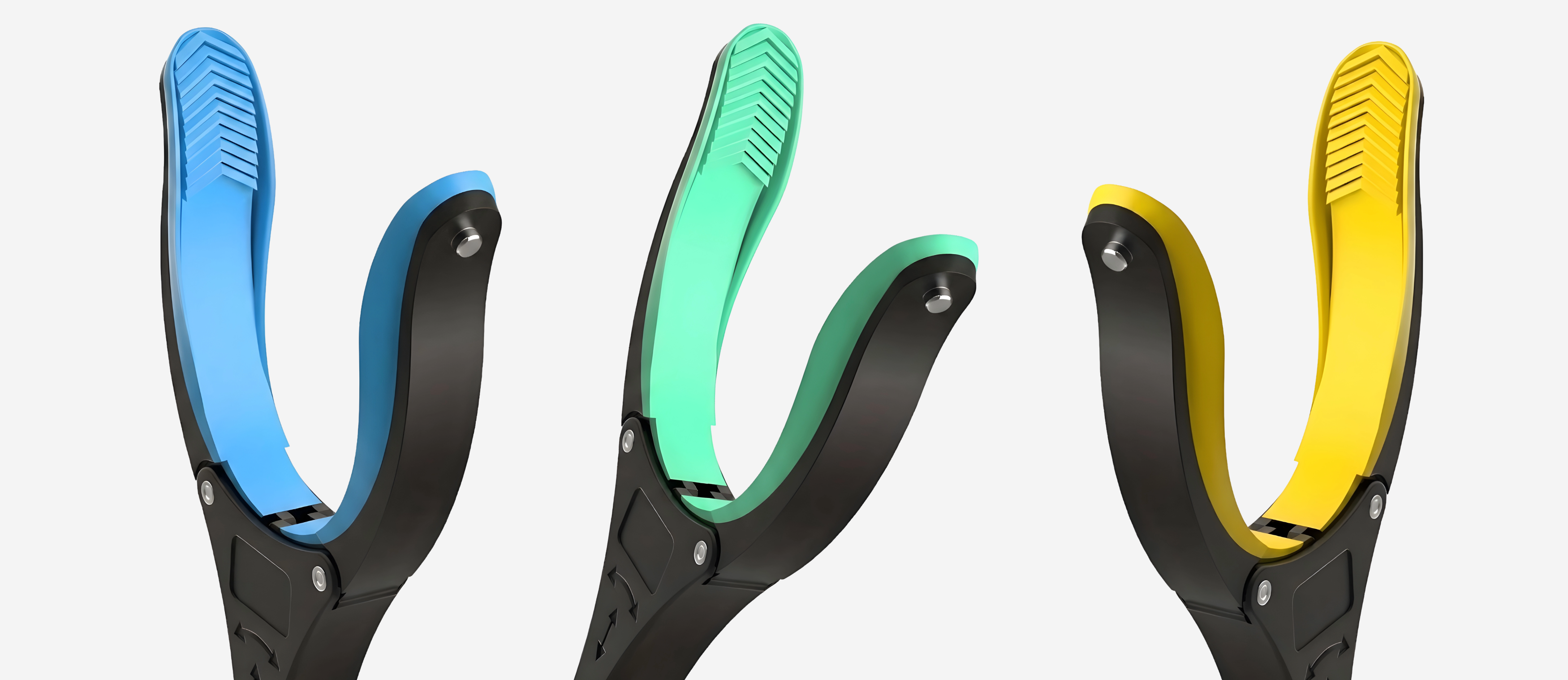
Direct answer: Spastic diplegia adaptive kitchen tools address the high-energy walking cost and balance limitation in the kitchen. Seated cooking at a counter stool is the most impactful intervention -- it eliminates the high-energy standing and walking within the kitchen that tires people with spastic diplegia rapidly. The reacher reduces bending that disturbs balance by shifting the center of mass forward. The electric jar opener reduces effort per task, conserving energy for ambulation within the kitchen. The GrabbersTool 32-inch Reacher and Electric Jar Opener are core tools alongside the seated cooking strategy.
Spastic Diplegia GMFCS Level and Adaptive Kitchen Strategy
| GMFCS Level | Kitchen Mobility Status | Adaptive Kitchen Strategy |
|---|---|---|
| GMFCS I (walks without limitations in most environments) | Kitchen walking possible; fatigue with prolonged kitchen work; balance adjustments for bending; generally independent | Anti-fatigue mat; perching stool for long cooking sessions; reacher for floor-level retrieval during balance-sensitive bending; electric jar opener for convenience |
| GMFCS II (walks with limitations; avoids rough terrain and stairs) | Kitchen walking requires attention; balance limited during dual tasks (walk and carry simultaneously); fatigue significant; may use crutches or cane | Seated cooking preferred; reacher reduces need for bending; slide items on counter instead of carrying while walking; electric jar opener; kitchen organized for minimal walking distances |
| GMFCS III (walks with assistive device) | Walker or crutches occupy both hands during walking; cannot carry items while walking; kitchen ambulation high-effort and slow | Seated cooking essential; kitchen cart for item transport; reacher while seated; electric jar opener; all items within seated reach; caregiver for heavy cooking and transport |
Browse the reacher collection and Electric Jar Opener for spastic diplegia kitchen independence support.


