

Spina bifida is a congenital neural tube defect in which the spinal column fails to close completely during early fetal development. The most significant form, myelomeningocele, involves protrusion of the spinal cord and meninges through the vertebral defect, causing neurological damage below the level of the lesion. The functional impact depends on the spinal level of the defect: higher lesions (thoracic, high lumbar) cause more extensive lower limb paralysis and typically wheelchair dependence; lower lesions (low lumbar, sacral) may allow ambulation with orthoses and assistive devices. Spina bifida commonly involves: lower limb weakness or paralysis and sensory loss (below the lesion level); neurogenic bladder and bowel; hydrocephalus (in the majority of myelomeningocele cases, usually managed with a ventriculoperitoneal shunt) with associated potential cognitive and learning effects; Chiari II malformation; orthopedic issues (scoliosis, hip and foot deformities, contractures); and latex allergy (notably common in spina bifida, an important kitchen and medical consideration). Thanks to improved medical care, most individuals with spina bifida now survive into adulthood, and adult spina bifida care (transitioning from pediatric to adult services) addresses ongoing mobility, urological, skin, and functional needs. Kitchen function in spina bifida adults is primarily affected by lower limb paralysis and mobility limitation (wheelchair use for many; ambulation with orthoses for others), affecting kitchen standing, reach, and access, along with upper extremity function (variable, sometimes affected by Chiari-related or shunt-related factors), and cognitive factors in some.
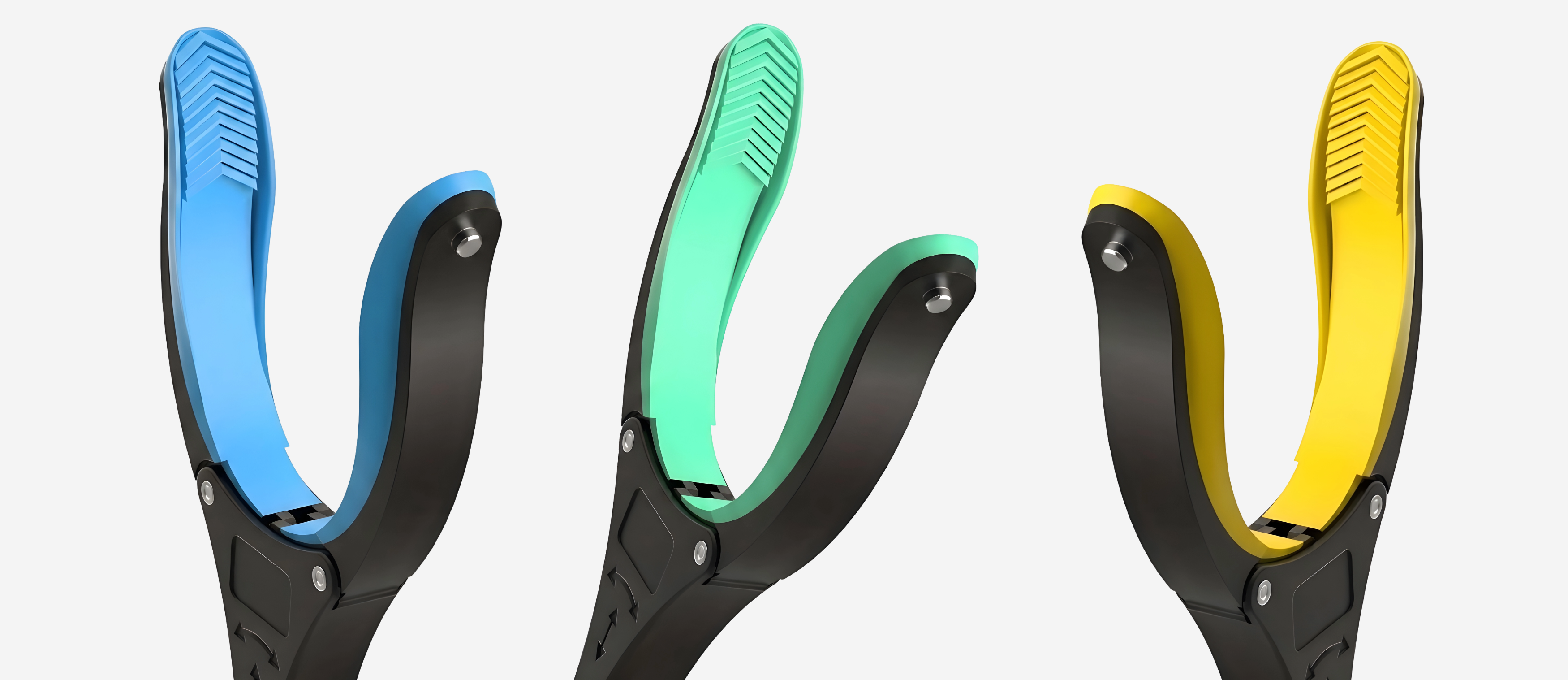
Direct answer: Spina bifida adult kitchen adaptive tools address lower limb paralysis and wheelchair-based function: reachers to extend reach from a seated position, wheelchair-accessible kitchen setup, and accommodations for variable upper extremity function. The GrabbersTool 32-inch Reacher extends the reach of wheelchair-using spina bifida adults to kitchen items beyond seated arm range.
Spina Bifida Adult Kitchen Adaptive Strategy
| Spina Bifida Feature | Kitchen Impact | Adaptive Solution |
|---|---|---|
| Lower limb paralysis and wheelchair kitchen access | Spina bifida lower limb paralysis (particularly with higher lesions) means many adults use wheelchairs for mobility -- kitchen function is from a seated wheelchair position; wheelchair kitchen access has specific requirements: counter clearance (knee clearance under the counter for forward approach), reach limits (side reach and forward reach zones from the wheelchair), and appliance accessibility (front controls, accessible oven and microwave placement); standard kitchen design assumes a standing user, creating access barriers; reaching high kitchen cabinets and shelves and items at the back of counters is beyond seated reach; ambulatory spina bifida adults (lower lesions, using orthoses and crutches) have different considerations (standing tolerance, balance, and orthosis use) | Reacher grabber (GrabbersTool 32-inch) to extend reach from the wheelchair to kitchen items beyond seated arm range (high shelves, back of counters); wheelchair-accessible kitchen organization (frequently used items within seated reach zones); lazy Susan turntables and pull-out shelves to bring items within reach; front-control appliances; wheelchair-accessible counter clearance if kitchen modifications are possible; for ambulatory spina bifida adults, seated preparation and reach accommodations for standing and balance limitations; occupational therapy for spina bifida kitchen accessibility assessment |
| Sensory loss, skin protection, and kitchen safety | Spina bifida sensory loss below the lesion level (legs, and sometimes affecting the lower trunk) means the patient cannot feel injury, heat, or pressure in the affected areas -- a significant kitchen safety concern: burns to insensate legs and feet from hot spills or contact (the patient does not feel the burn), pressure injuries from prolonged sitting, and unnoticed injuries; hot liquids and items spilled onto insensate legs during kitchen tasks can cause serious burns without the warning of pain; skin protection is critical (spina bifida patients are at high risk of pressure injuries and burns in insensate areas); the neurogenic bladder and bowel management also intersects with kitchen and dietary routines | Kitchen safety for spina bifida sensory loss: protect insensate legs and feet from hot spills and contact (lap protection, careful handling of hot items, awareness that burns will not be felt); avoid placing hot items where they could spill onto insensate areas; wheelchair cushioning and pressure relief during prolonged kitchen sitting; regular skin inspection for unnoticed injuries; induction cooktops (cooler surfaces reducing burn severity); careful hot liquid management; the loss of protective sensation makes visual vigilance essential in place of the missing pain warning |
| Hydrocephalus, upper extremity function, and cognitive factors | Spina bifida-associated hydrocephalus (managed with a VP shunt) and Chiari II malformation can affect upper extremity function and coordination in some individuals (fine motor difficulty, reduced hand coordination), affecting kitchen manipulation tasks; some spina bifida adults have learning and cognitive differences (variable, related to hydrocephalus and its management) affecting kitchen task organization and complex meal planning; shunt malfunction is a medical concern (headache, vomiting, and neurological changes require urgent evaluation); latex allergy (common in spina bifida) is an important consideration for kitchen gloves and equipment (avoid latex products) | Adaptive tools for variable upper extremity and fine motor function (electric jar opener and appliances for hand coordination or strength limitations; large-handle tools); kitchen task simplification for cognitive and learning considerations (simple recipes, organizational systems, kitchen routines); latex-free kitchen gloves and equipment for spina bifida latex allergy (an important safety point -- use nitrile or vinyl gloves, not latex); awareness of shunt malfunction symptoms; occupational therapy for spina bifida adult comprehensive kitchen function and independence assessment; adult spina bifida care team for ongoing multisystem management |
See the 32-inch Reacher for spina bifida adult wheelchair kitchen reach support.


