

Spinal muscular atrophy (SMA) is caused by homozygous deletion of the SMN1 (survival motor neuron 1) gene, leading to lower motor neuron loss in the anterior horn cells of the spinal cord. SMA Type 2 (onset 7-18 months, never walk independently) and Type 3 (onset after 18 months, achieve walking then may lose it) are the adult-relevant forms in the post-nusinersen era. Disease-modifying therapies -- nusinersen (intrathecal antisense oligonucleotide), risdiplam (oral SMN2 splicing modifier), and onasemnogene abeparvovec (gene therapy, primarily for SMA Type 1) -- have transformed SMA outcomes, with many Type 2 and 3 patients improving strength or stabilizing. SMA adults have proximal limb weakness (shoulder and hip girdle weakness greater than distal), and the upper extremity weakness pattern is critical for kitchen function: deltoid and biceps weakness limit overhead reach and elbow flexion strength; wrist extensors may be involved in more severe SMA. SMA adults who are ambulatory or wheelchair users both face kitchen adaptive challenges: ambulatory SMA Type 3 adults may have sufficient arm strength for most kitchen tasks but limited overhead reach from deltoid weakness; wheelchair-using SMA Type 2 adults face counter height access challenges and severely limited overhead reach.
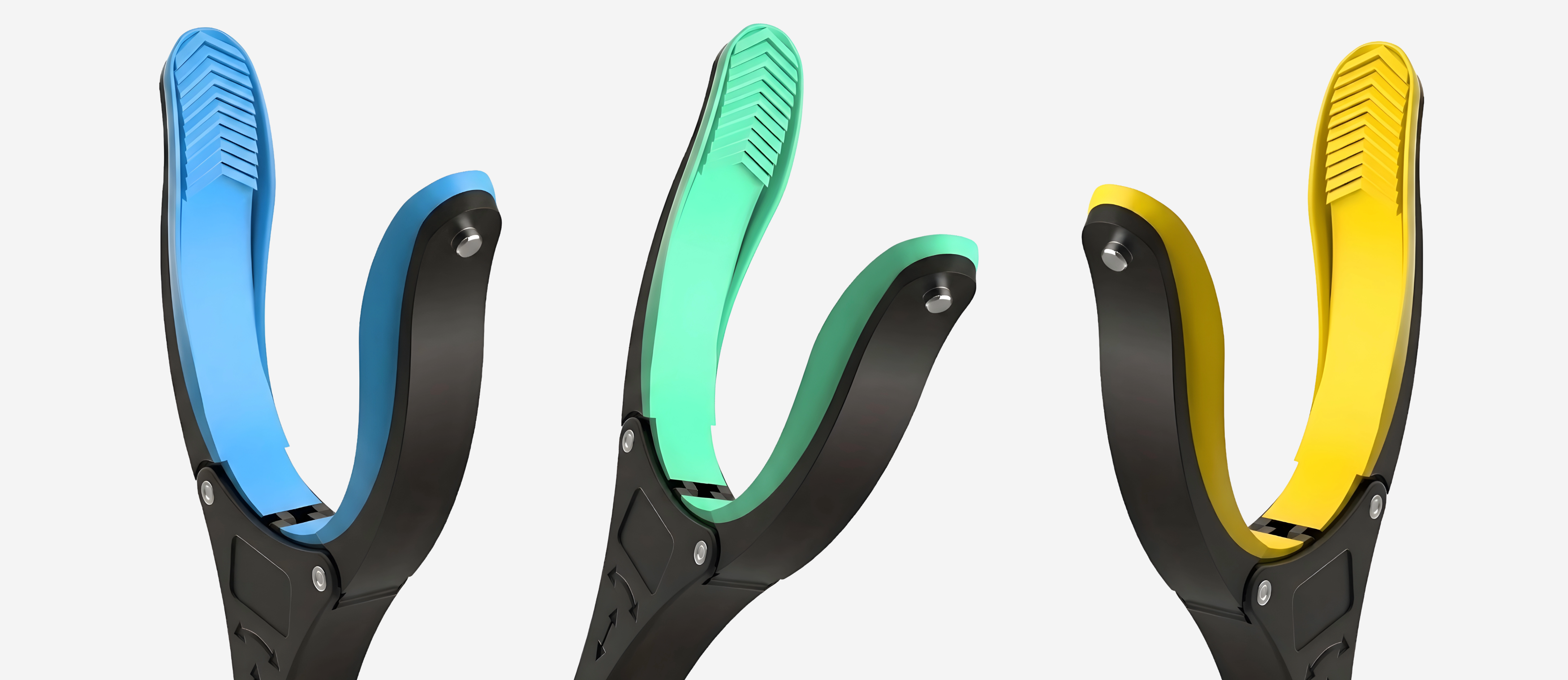
Direct answer: SMA adult kitchen adaptive tools address proximal upper extremity weakness (overhead reach limited by deltoid weakness -- reacher for overhead cabinet access) and grip/wrist weakness (electric jar opener for reduced grip from wrist extensor involvement). The GrabbersTool 32-inch Reacher compensates for SMA deltoid weakness limiting overhead kitchen reach.
SMA Adult Kitchen Adaptive Strategy
| SMA Feature | Kitchen Impact | Adaptive Solution |
|---|---|---|
| Proximal upper extremity weakness (deltoid, biceps weakness) | SMA deltoid weakness limits shoulder abduction and flexion -- the movement required for overhead kitchen reach; overhead cabinet access requires shoulder elevation that is severely limited in SMA; biceps weakness limits elbow flexion force for lifting and carrying kitchen items; sustained arm elevation for cooking tasks fatiguing; reaching across a wide kitchen counter is limited by deltoid and shoulder girdle weakness | Reacher grabber (GrabbersTool) for overhead kitchen cabinet access without arm elevation; kitchen reorganization to move all items to within the reachable zone (at counter height, not overhead); mobile arm support (balanced forearm orthosis) prescribed by occupational therapist can augment SMA kitchen reach significantly -- allows gravity-eliminated arm movement for patients who cannot lift against gravity; lightweight kitchen items to compensate for biceps lift limitation |
| Wheelchair kitchen access (SMA Type 2 adults) | Standard kitchen counter heights (36 inches) are designed for standing adults; wheelchair seating height is 17-20 inches -- the counter is above a comfortable working height for some wheelchair users; wheelchair knee clearance under the counter is needed for close approach; kitchen cabinets in the standard location (above counter) are completely inaccessible from a wheelchair position without adaptive equipment | Roll-under kitchen counter (remove cabinet doors, lower the counter height) for wheelchair knee clearance; lever faucets accessible from wheelchair height; all kitchen storage at accessible height (no overhead inaccessible cabinets); reacher for items that remain above wheelchair reach; pull-out or sliding shelves in lower cabinets for better wheelchair access; full kitchen accessibility assessment with an OT specializing in SMA wheelchair kitchen use |
| Respiratory muscle weakness (SMA respiratory involvement) | SMA respiratory weakness (intercostal and diaphragm involvement, particularly in SMA Type 2) reduces exertional capacity; kitchen tasks requiring physical effort cause earlier breathlessness; NIV (non-invasive ventilation) users may need to manage their ventilator during kitchen activities; respiratory limitations are less prominent in ambulatory SMA Type 3 | Seated kitchen preparation reduces respiratory demand; simple, low-exertion kitchen tasks; NIV ventilator positioned accessible for kitchen use if needed; respiratory support team guidance on SMA kitchen activity limits |
See the 32-inch Reacher and Electric Jar Opener for SMA adult kitchen support.


