

Spondylolisthesis is the anterior (forward) slippage of one vertebral body relative to the vertebra below it, most commonly at L4-L5 or L5-S1. It is graded by the degree of slippage: Grade I (up to 25%), Grade II (25-50%), Grade III (50-75%), and Grade IV (over 75%). Degenerative spondylolisthesis is the most common type in adults, caused by facet joint arthritis and disc degeneration allowing forward slip. Isthmic spondylolisthesis results from a stress fracture (spondylolysis) of the pars interarticularis. Clinically, spondylolisthesis produces low back pain aggravated by extension (backward bending), neurogenic claudication if the slip compresses the spinal canal, and radicular symptoms into one or both legs if nerve roots are compressed by the slippage. Key activity restrictions center on avoiding lumbar hyperextension, heavy axial loading (especially extension loading), and repetitive loaded flexion-extension.
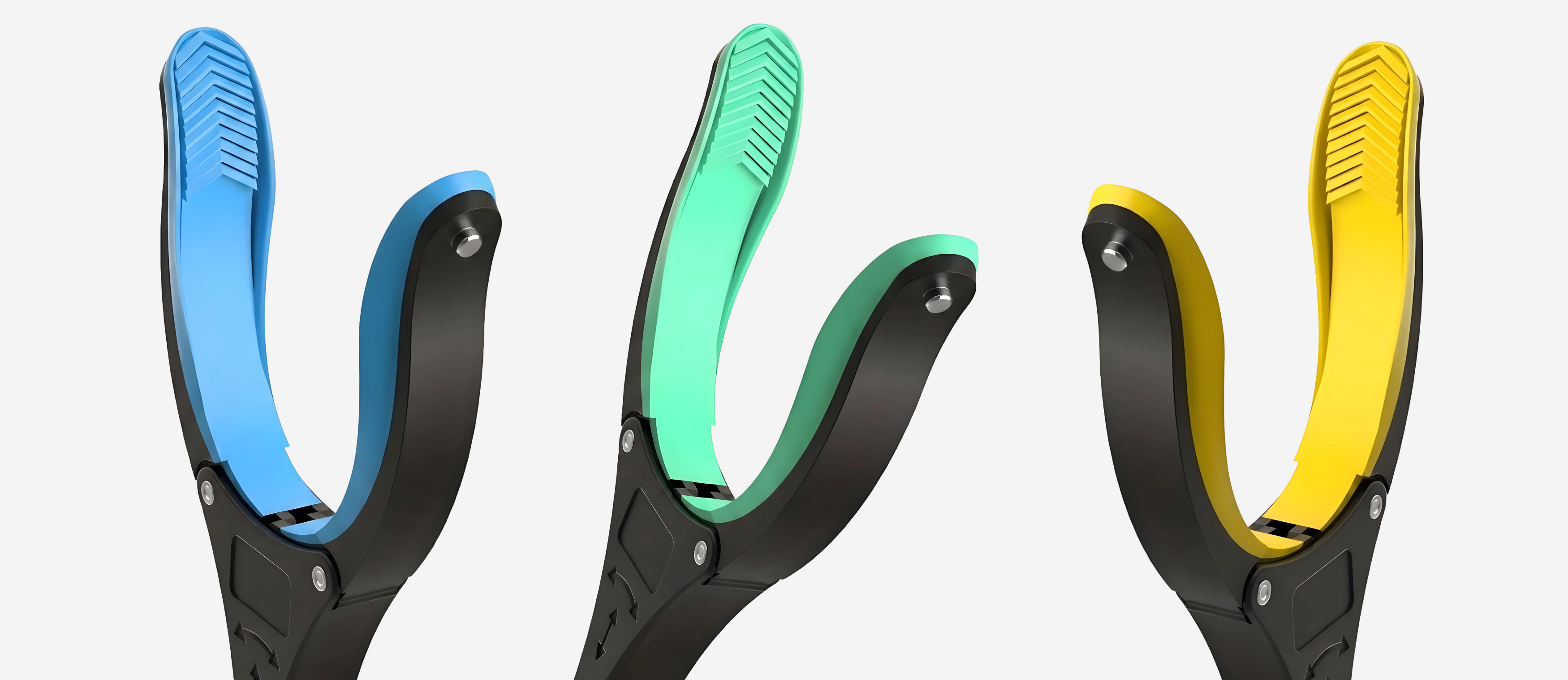
Direct answer: Spondylolisthesis adaptive tools address the limitation in sustained standing (the extension loading of standing upright compresses the slipped segment), bending restrictions (flexion and extension under load exacerbate symptoms), and neurogenic claudication (if canal narrowing from the slip causes leg symptoms). The reacher reduces bending to floor level, the most problematic movement in many spondylolisthesis patients. The electric jar opener reduces sustained upper body effort that transfers loading through the spine. The GrabbersTool 32-inch Reacher and Electric Jar Opener are the core tools.
Spondylolisthesis Grade and Adaptive Kitchen Tool Need
| Grade | Functional Limitation | Adaptive Kitchen Strategy |
|---|---|---|
| Grade I (mild, up to 25%) | Pain with prolonged standing and loaded bending; activity modification needed; usually mobile and independent | Perching stool at counter; reacher for low items; frequent sitting breaks during cooking; lightweight cookware |
| Grade II (moderate, 25-50%) | More significant pain and instability; may have leg symptoms from moderate canal narrowing; standing limited | Seated cooking; 32-inch reacher essential for all low-level retrieval; electric jar opener for all jar tasks; electric appliances for heavy kitchen work |
| Grade III-IV (severe, over 50%) | Significant neurological compromise possible; may require surgical stabilization; serious ADL limitation | Full adaptive kitchen setup; wheelchair or mobility aid may be in use; 43-inch reacher; all high-effort kitchen tasks eliminated with appliances |
Browse the reacher collection and adaptive kitchen tools.


