

Total knee arthroplasty (TKA, total knee replacement) is one of the most common and successful orthopedic surgeries, performed primarily for end-stage knee osteoarthritis to relieve pain and restore function. The procedure replaces the damaged articular surfaces of the femur, tibia, and often the patella with prosthetic components. Unlike total hip replacement (which has specific dislocation precautions), TKA recovery centers on: early weight-bearing (most TKA patients are weight-bearing as tolerated immediately after surgery, using a walker or crutches initially); regaining knee range of motion (a critical rehabilitation goal -- achieving adequate knee flexion, ideally at least 90 degrees for functional activities and more for stairs and sitting, and full extension; range of motion is worked on aggressively in early rehabilitation because a stiff TKA is difficult to correct later); pain and swelling management; and progressive strengthening. Early TKA recovery involves significant pain, swelling, limited knee flexion, and reduced weight-bearing endurance. Most TKA patients transition from walker to cane over several weeks and resume most normal activities by 6-12 weeks, with continued improvement over 6-12 months. Kitchen function after TKA is affected by: limited standing tolerance and endurance early in recovery; restricted knee flexion (limiting deep bending, squatting, and low kitchen access); walker or cane use (limiting hand availability for kitchen tasks); and pain and swelling with prolonged standing. Because TKA affects one leg (or is staged for bilateral), kitchen recovery focuses on reduced mobility and standing accommodation.
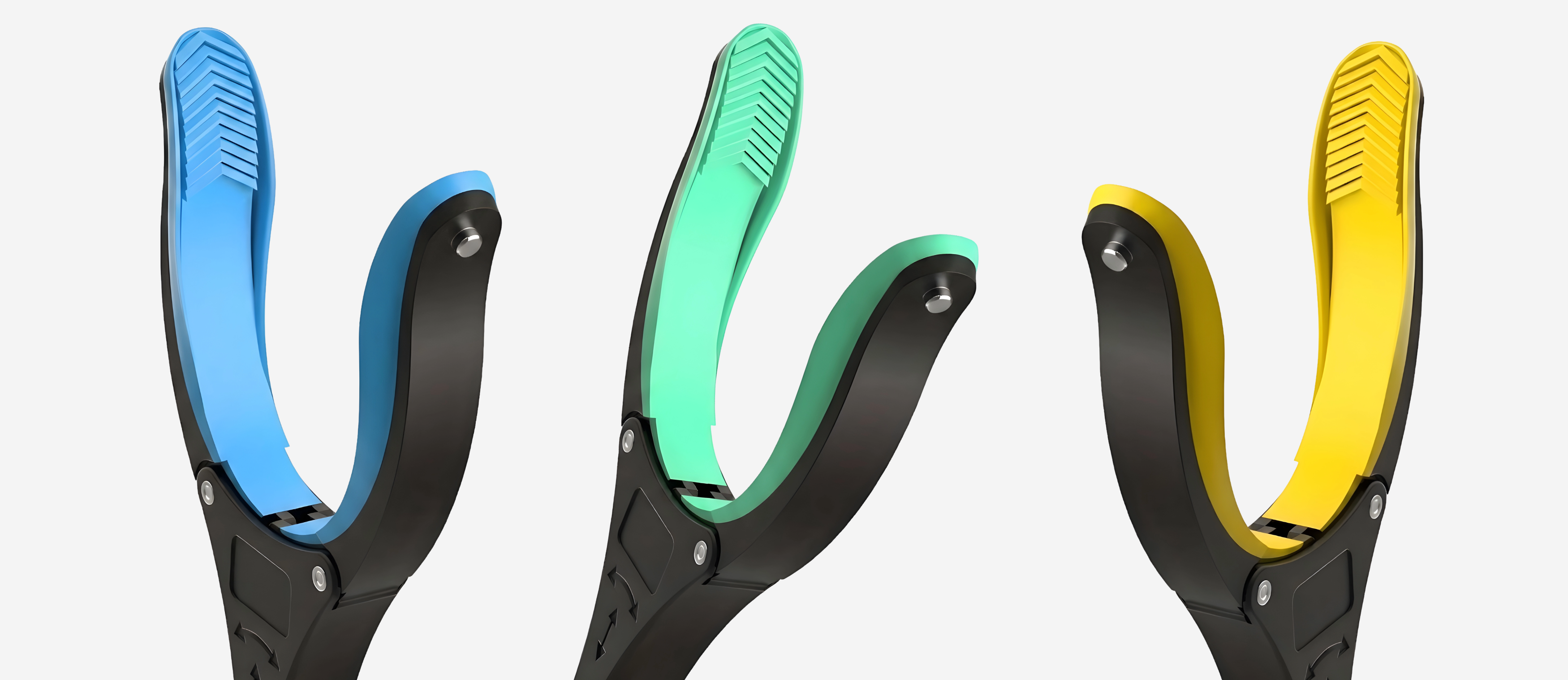
Direct answer: Total knee replacement kitchen recovery adaptive tools address limited standing, restricted knee flexion, and walker use: reachers to avoid knee-bending for low items, kitchen seating for standing limitation, and one-handed accommodations during walker use. The GrabbersTool 32-inch Reacher is essential during TKA recovery -- it retrieves low kitchen items without the deep knee flexion and squatting that the recovering knee cannot yet perform.
Total Knee Replacement Kitchen Recovery Strategy
| TKA Recovery Phase | Kitchen Restriction | Adaptive Solution |
|---|---|---|
| Early TKA recovery (weeks 1-3): limited standing, swelling, and walker use | Early after TKA, the knee is painful and swollen with limited flexion; standing tolerance is significantly reduced (prolonged kitchen standing worsens knee swelling and pain, and leg elevation is encouraged to control swelling); the patient uses a walker or crutches, occupying both hands and limiting kitchen task performance; deep knee flexion is limited and painful (bending down to low cabinets, squatting, and kneeling are not possible); getting up from chairs is difficult; kitchen mobility is slow and effortful; the leg needs frequent elevation for swelling control, limiting sustained kitchen activity | Reacher grabber (GrabbersTool 32-inch) for retrieving low kitchen items without the knee flexion the early TKA knee cannot perform; seated kitchen preparation with the operated leg elevated when possible (a kitchen chair or stool, elevating the leg to control swelling); prepare simple meals requiring minimal standing; walker basket or bag to transport kitchen items (hands are occupied by the walker); caregiver assistance for kitchen tasks in the first weeks; slow cooker and microwave for low-effort meal preparation; keep frequently used kitchen items at counter height to avoid bending |
| Mid TKA recovery (weeks 3-8): progressing mobility and knee flexion | During mid TKA recovery, the patient progresses from walker to cane and improves knee range of motion and weight-bearing tolerance; standing tolerance gradually increases but prolonged kitchen standing still causes swelling and fatigue; knee flexion improves (working toward and past 90 degrees) allowing more kitchen bending, but deep squatting remains limited; the transition to a cane frees one hand for kitchen tasks; the patient can perform more kitchen activities but with continued limitation; physical therapy focuses on range of motion, strength, and gait; kitchen tasks serve as functional activity during recovery | Continue reacher grabber use for low kitchen items while deep knee flexion is limited; gradually increase kitchen standing time as tolerance improves (still using a kitchen stool for longer tasks); alternate standing and sitting during kitchen work; cane use frees one hand for carrying light kitchen items; progressive return to kitchen activities guided by knee range of motion and comfort; anti-fatigue mat for standing comfort; continue elevating the leg after kitchen activity to control swelling; physical therapy exercises integrated with functional kitchen activity |
| Late TKA recovery and long-term kitchen function | By 6-12 weeks post-TKA, most patients have resumed independent kitchen function with good weight-bearing and adequate knee flexion, though improvement in strength, endurance, and range of motion continues for 6-12 months; some TKA patients have permanent limitation in deep knee flexion (kneeling on the replaced knee is often uncomfortable or avoided long-term, and deep squatting may remain limited) affecting very low kitchen tasks; standing tolerance returns to near-normal; the TKA relieves the arthritic knee pain that limited kitchen standing before surgery, so long-term kitchen function is typically much improved over the pre-surgery arthritic state | Reacher grabber for long-term low kitchen access if deep knee flexion (kneeling, deep squatting) remains limited after TKA -- many TKA patients continue to avoid kneeling on the replaced knee and benefit from a reacher for floor-level and low-cabinet items; return to full kitchen standing and activity as recovery completes; the TKA restores the kitchen standing and mobility that arthritic knee pain previously limited; maintain kitchen ergonomics that avoid deep knee flexion if uncomfortable; orthopedic follow-up for the TKA; physical therapy completion for optimal long-term knee function |
See the 32-inch Reacher for total knee replacement kitchen recovery bending restriction and low-item access support.


