

The bedroom presents a specific set of mobility challenges that differ from the rest of the home: they occur at the moments when the person is most physically vulnerable — first thing in the morning before the body is fully awake and warmed, and last thing at night when fatigue is highest. Falls and functional failures in the bedroom disproportionately occur during these transition moments. The adaptive setup of the bedroom should address these specific high-risk periods rather than treating the bedroom as simply another room.
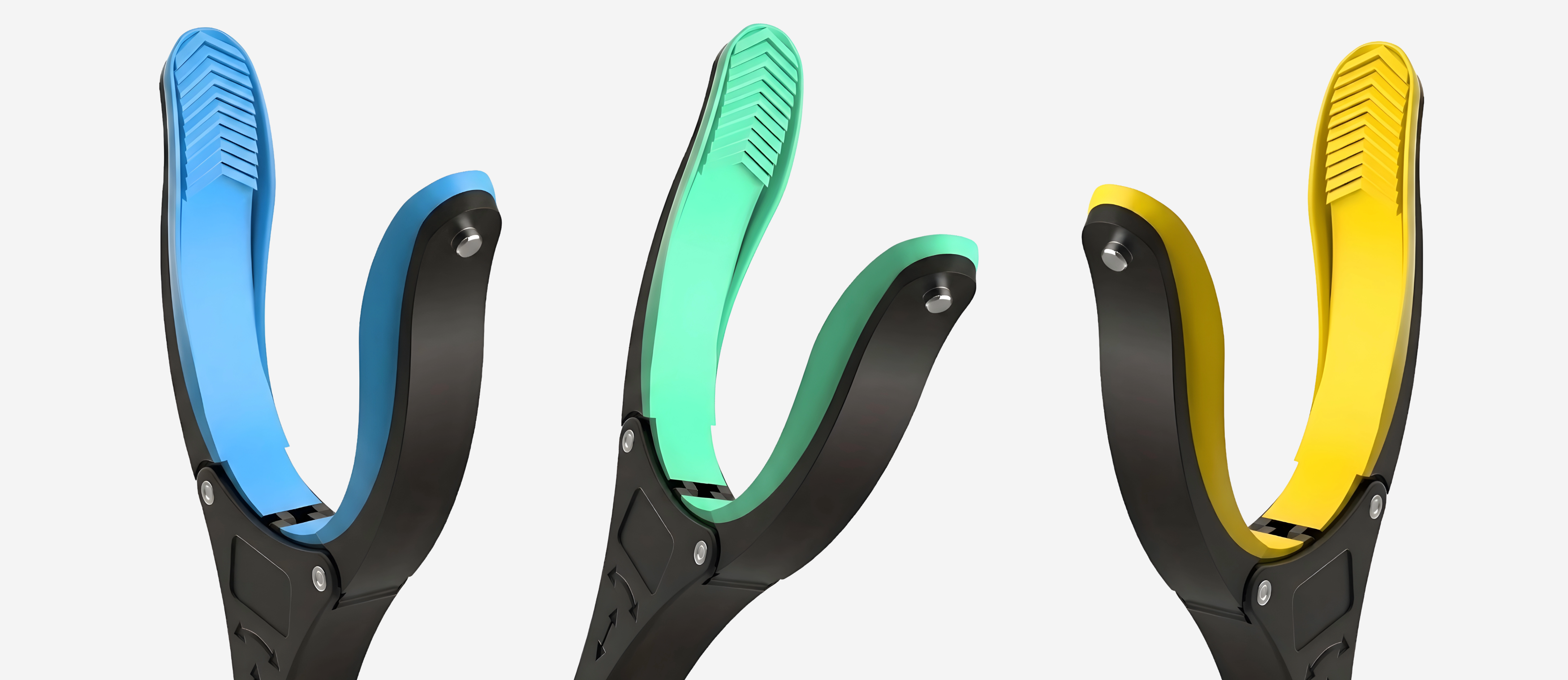
Direct answer: the highest-impact adaptive tools for bedroom independence are: the GrabbersTool Standing Assist Tool (for the bed-to-standing transfer that is the most common bedroom mobility challenge), the Reacher Grabber positioned at the bedside (for morning object retrieval without bending when the body is stiffest), and the Walking Cane with Cane Strap (for nighttime mobility when floor hazards are harder to avoid in low light). The bedroom setup is most effective when these tools are pre-positioned before they are needed.
The Morning Transition: The Highest-Risk Period
The period from waking to standing is the highest-risk mobility sequence of the day for several physiological reasons:
- Orthostatic hypotension: blood pressure drops when moving from lying to sitting or sitting to standing, causing dizziness that peaks at the first stand of the morning. The sitting pause before standing is physiologically important, not optional.
- Joint stiffness: arthritis and many musculoskeletal conditions cause morning stiffness that peaks in the first 30-60 minutes after waking. Grip strength, balance, and mobility are all reduced compared to mid-day baseline.
- Medication timing: pain and mobility medications may not yet be active at the first morning stand.
The Standing Assist Tool fitted to the bedside provides external support for the sit-to-stand transfer that compensates for these morning-specific functional reductions. It is most valuable during the first 30 minutes after waking.
Bedside Adaptive Tool Setup
| Location | Tool | Function |
|---|---|---|
| Bed rail / bedside | Standing Assist Tool | Bed-to-stand transfer support |
| Bedside table | Reacher Grabber | Morning retrieval of phone, glasses, medications without bending |
| Chair arm or table edge | Cane Strap | Keeps cane at hand level without leaning risk |
| Path to bathroom | Walking Cane | Nighttime mobility support on path to bathroom |
Standing assist tool fitting specifications — compatible bed heights, weight rating, and attachment mechanism — are detailed on the product page. Bed height is the critical measurement: the assist tool must be fitted to the specific bed to provide the correct angle of support during the transfer. View standing assist tool specifications and fitting guide
Nighttime Mobility: A Distinct Problem
Nighttime bathroom trips are a high-fall-risk event because they combine low light, a person who is not fully awake, and a cold body that has been supine for hours. The physiological challenges are similar to the morning transition but with the addition of reduced alertness. The nighttime bedroom setup should include:
- A clear, unobstructed path from bed to bathroom — furniture, cables, and rugs on the path are fall hazards that appear minor in daylight
- Nightlights or motion-activated lighting on the bathroom path — sufficient illumination without requiring full wake-up of a light switch
- The walking cane at the bedside in a position accessible without turning on a light — the cane strap keeps it suspended from the bed rail or bedside table rather than leaned against a wall
- Non-slip surfaces at the point of first standing — the area beside the bed where feet first contact the floor should be on non-slip flooring or a non-slip mat
Dressing Support: The Reacher at the Chair
Morning dressing from a seated position is more stable and manageable than dressing while standing. A chair positioned in the bedroom, with a reacher grabber available, allows: pulling up pants without standing balance, managing dropped clothing from the seated position, and retrieving footwear without bending forward from a standing position.
GrabbersTool customers managing hip replacement recovery, arthritis, and back conditions consistently report that a seated dressing routine with a reacher grabber reduces both the effort and the fall risk of the morning dressing sequence. The reacher handles the floor-level clothing retrieval that seated dressing cannot reach directly.
Medication Access From the Bedroom
Many patients keep morning medications at the bedside. If the medication is in a childproof container that requires grip and rotation, the morning-stiffness period is exactly when it is hardest to open. The 5-in-1 Multi-Opener kept at the bedside alongside medications addresses this specific situation: lever-based cap removal rather than grip-and-twist for pill bottles and supplement containers.
See also: Bathroom Adaptation: Grab Bars, Reachers, and Mobility Safety and Sit-to-Stand Independence: The Daily Transfer That Determines Mobility.
Browse Ergonomic Mobility and Reacher Grabber Tools for the full bedroom accessibility range.


