

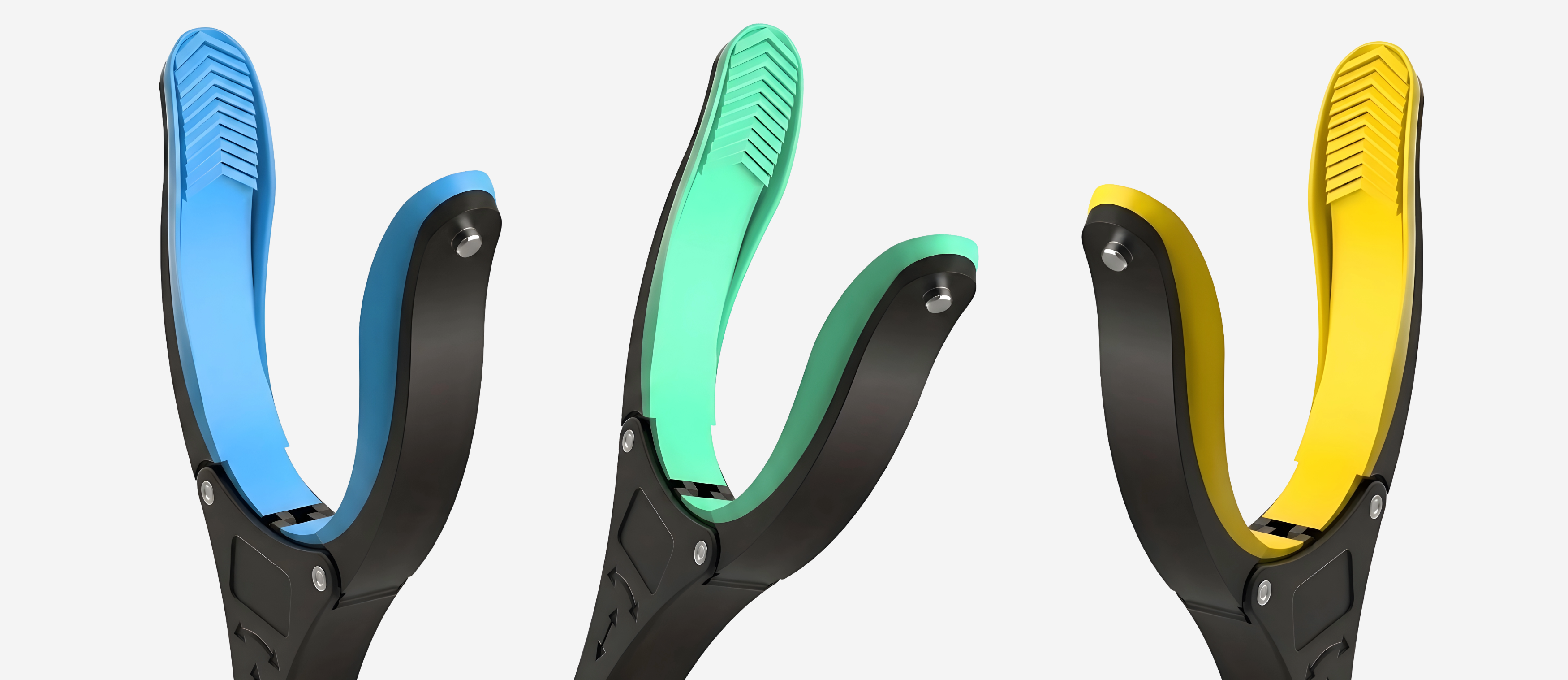
Hip replacement discharge packets consistently include a reacher grabber on the equipment list — alongside a sock aid, long-handled shoe horn, and raised toilet seat. This is not a suggestion: the hip precautions required after total hip replacement (no hip flexion past 90 degrees, no bending at the waist, no crossing legs) make floor-level object retrieval impossible without a reacher for 6-12 weeks. Patients who do not have the tool before they return home from surgery face an immediate and significant functional gap. The question is not whether to buy a reacher grabber for hip replacement; it is which one to buy and when to buy it.
Direct answer: for hip replacement recovery, the recommended reacher grabber is a 32-inch model with rubber jaw surfaces and a low-to-moderate trigger force. The GrabbersTool 32" Reacher Grabber meets these specifications. The 32-inch length is appropriate for most home use — bedside pickup, floor retrieval from standing, clothing management. The rubber jaw surface grips fabric (clothing, socks) and smooth objects (containers, phones). Purchase before the surgery date, not after — the tool should be at home and in position when the patient returns from the hospital.
What Hospital OTs Look for in a Reacher Grabber
Occupational therapists conducting pre-discharge assessments in orthopedic units evaluate reacher grabbers based on functional requirements specific to hip replacement precautions:
- Minimum 30-inch length: the combination of standing height and the floor-level reach required means a tool shorter than 30 inches does not reach the floor from full standing without violating the 90-degree flexion restriction
- Jaw capable of gripping fabric: sock management and clothing pickup from the floor are primary uses — the jaw must grip fabric without tearing
- Trigger force achievable by the patient: the trigger force must be within the grip capacity of the patient post-surgically — patients may have reduced grip from anesthesia effects in the first 24-48 hours
- No sharp edges: a tool used near the wound site must not create injury risk from accidental contact
Pre-Surgery Setup: The Timing That Matters
The optimal timing for reacher grabber purchase before hip replacement is 1-2 weeks before the surgery date. This allows:
- Delivery confirmation before surgery — no relying on arrival timing that could miss the surgery date
- Pre-surgery practice — using the reacher before surgery builds technique so it is fluent rather than new on the first difficult post-surgical day
- Home positioning — placing the reacher at the bedside, beside the primary chair, and in the bathroom before the patient is in a state where positioning is restricted
| Post-Surgery Week | Primary Reacher Use | Why This Week |
|---|---|---|
| Week 1 | Bedside pickup; bathroom item management; clothing management | Most restricted; highest dependence on reacher |
| Weeks 2-6 | Same as above; expanding to kitchen floor items | Hip precautions remain in effect; no bending |
| Weeks 6-12 | Continued floor retrieval; precautions may ease per surgeon | Surgeon permission determines when precautions are lifted |
The GrabbersTool 32" Reacher Grabber specification sheet — including jaw opening width, fabric grip rating, trigger force, and length — is available on the product page. This specification sheet can be shared with the surgeon or OT to confirm the product meets the clinical requirements for the specific surgical approach (posterior vs. anterior hip replacement may have different precaution sets). View complete specifications
The Complete Hip Replacement Equipment List
The reacher grabber is one item in the standard hip replacement discharge equipment list. Other typically recommended items are not in the GrabbersTool product range but are worth noting as part of the complete setup:
- Long-handled shoe horn (for footwear without violating flexion restriction)
- Sock aid (for sock application without bending)
- Raised toilet seat (for maintaining hip above 90 degrees on the toilet)
- Shower chair or bench (for seated bathing without standing balance risk)
- Standing Assist Tool — the GrabbersTool Standing Assist Tool for the primary chair and bed, providing the transfer rail for sit-to-stand within hip precaution constraints
The GrabbersTool Standing Assist Tool is frequently recommended alongside the reacher grabber for hip replacement recovery — together they address the two most common daily independence challenges: floor retrieval and chair transfer. See the detailed analysis at Hip Replacement Recovery: Why the Reacher Grabber is Issued in Hospital.
Browse Reacher Grabber Tools and Ergonomic Mobility for the full hip replacement recovery adaptive range.


