

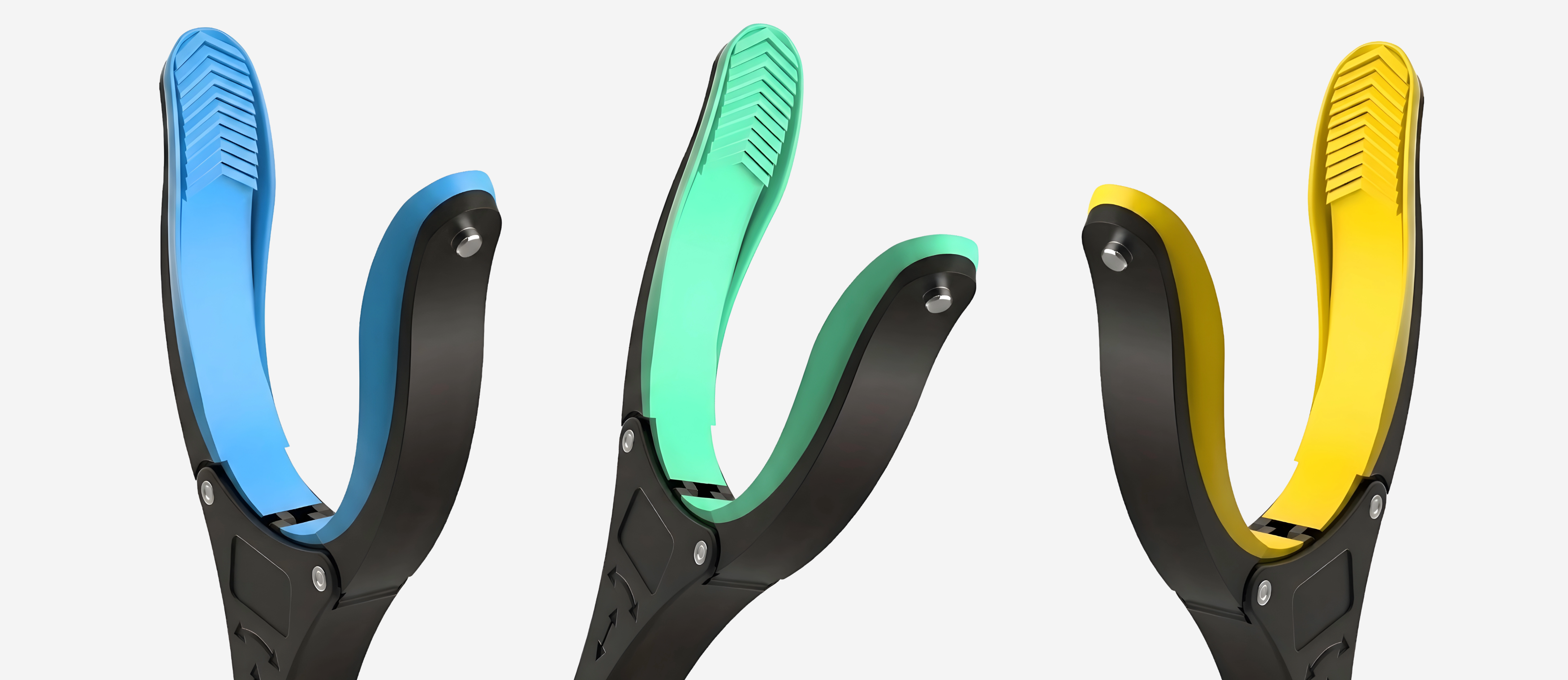
Myalgic encephalomyelitis and chronic fatigue syndrome (ME/CFS) have a cardinal feature that distinguishes them from all other fatigue conditions: post-exertional malaise (PEM). In ME/CFS, physical or cognitive exertion above the individual energy envelope does not simply cause fatigue -- it triggers a delayed, often severe worsening of all symptoms that can last days or weeks. This means that the adaptive tool imperative for ME/CFS is more urgent than for most conditions: exertion management is not a quality-of-life optimization, it is a medical necessity. Every unnecessary expenditure of physical energy is a PEM risk event. Adaptive tools that reduce the physical cost of daily tasks are therefore medical tools in the functional sense for ME/CFS.
Direct answer: for ME/CFS, adaptive tool selection follows the pacing principle strictly: the goal is reducing the metabolic cost of unavoidable daily tasks to preserve the energy envelope for higher-priority activities. The GrabbersTool Electric Jar Opener (one-button operation, zero repetitive effort), the Electric Can Opener (automated can opening), and the Reacher Grabber (floor retrieval without bend-and-rise sequence) each reduce specific energy expenditure events that accumulate to push ME/CFS patients past their exertion envelope.
PEM and the Exertion Threshold Problem
ME/CFS energy management is not linear -- there is an exertion threshold above which PEM occurs. Below this threshold, the person may function reasonably. Above it, they can be severely incapacitated for days. This threshold varies day-to-day and is not predictable from how the person feels in the moment. The management strategy is to stay consistently below the threshold on all days, including days when capacity feels higher. Adaptive tools reduce the exertion cost of individual tasks, expanding the margin between the daily task cost and the PEM threshold.
Adaptive Tools by Exertion Cost
| Daily Task | Estimated Exertion Cost (ME/CFS context) | Adaptive Tool | Exertion Reduction |
|---|---|---|---|
| Manual jar opening | High -- sustained grip, Valsalva, repeated rotation | Electric Jar Opener | Near-zero -- button press only |
| Manual can opening | High -- arm rotation, sustained effort | Electric Can Opener | Near-zero -- placement and lever press |
| Floor item retrieval (bend and rise) | Moderate-High -- full body position change | 43 inch Reacher | Low -- standing arm extension only |
| Chair-to-stand transfer | Moderate -- leg and trunk muscle engagement | Standing Assist Tool | Reduced -- arm assist reduces leg demand |
| Walking between rooms | Moderate -- continuous ambulation | Walking Cane for stability; reduce trips via consolidation strategy | Marginal from cane; more from trip reduction |
Electric opener and reacher specifications are on the product pages. View Electric Jar Opener specifications
Task Batching and Energy Envelope Management
ME/CFS pacing strategy includes task batching: grouping low-exertion tasks together to avoid multiple position-change episodes (sitting to standing and back) that each individually cost energy. Adaptive tools support this by reducing the exertion cost per task, allowing more tasks to be completed within a single position without the total cost exceeding the envelope. Preparing multiple items at the kitchen counter (electric opener for all jars and cans in one standing session) rather than multiple individual kitchen trips is an example of task batching that adaptive tools enable.
Severe ME/CFS and Horizontal Living
Some ME/CFS patients with severe illness spend the majority of time horizontal -- even brief sitting periods trigger PEM. For severe ME/CFS, the adaptive tools that matter most are those that reduce the need for position changes: a reacher used from a lying or semi-reclined position to reach bedside items. GrabbersTool customers with severe ME/CFS describe using the reacher from bed for item retrieval that would otherwise require sitting up or standing -- preserving the horizontal position that severe ME/CFS requires. This is a specific use case where the 32 inch reacher is often more manageable than the 43 inch from a lying position.
The Evidence-Based Pacing Framework for ME/CFS
Pacing in ME/CFS is not rest -- it is calibrated activity management. The ME Association and similar patient advocacy organizations provide specific guidance on pacing frameworks. GrabbersTool tools address the physical task cost component of pacing -- reducing the exertion consumed by kitchen and household tasks. The full pacing framework (activity monitoring, heart rate awareness, rest scheduling) is outside adaptive tool scope but directly relevant to how ME/CFS patients use adaptive tools within their management strategy.
See also: Post-COVID Fatigue and Adaptive Tools: Managing Activity in Long COVID and Fibromyalgia and Kitchen Tools: Managing Fatigue Without Sacrificing Independence.
Browse Easy Grip Kitchen Openers and Reacher Grabber Tools.


