

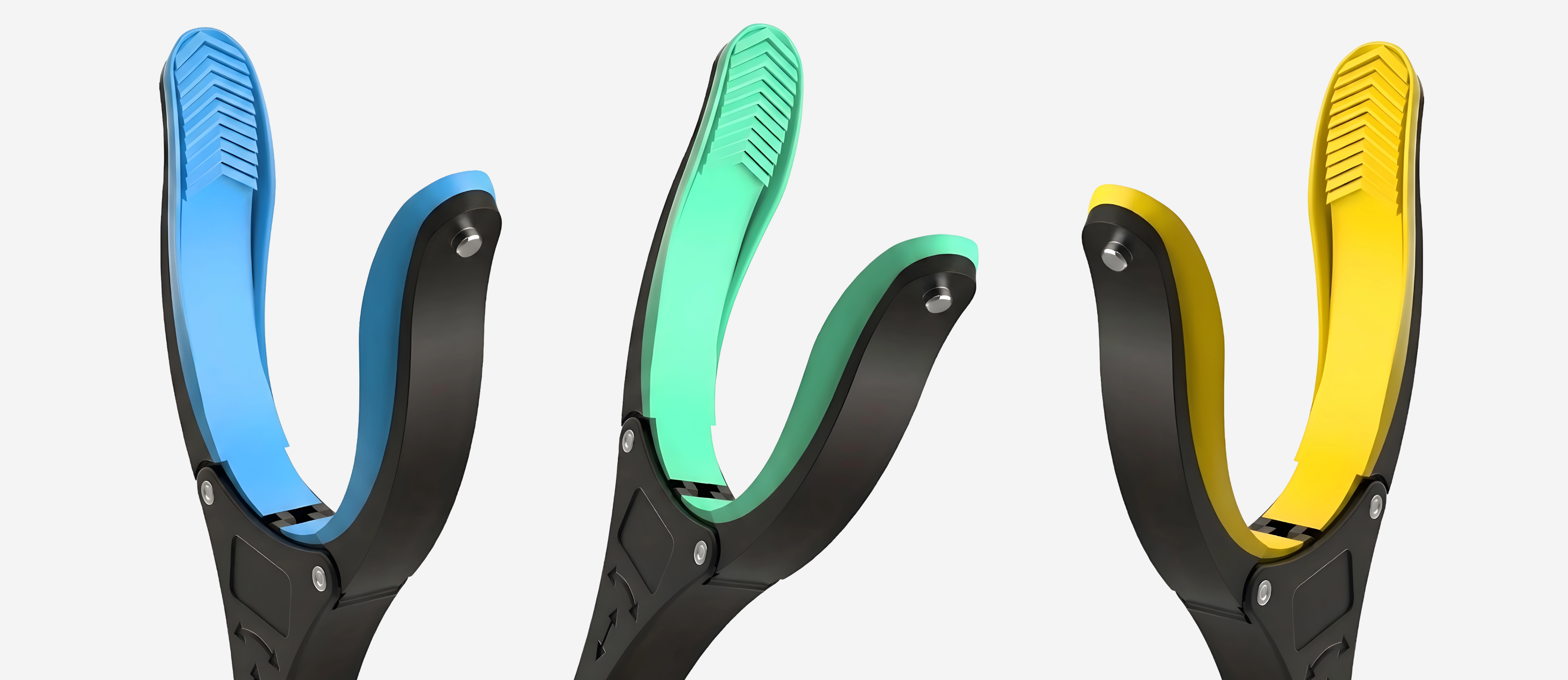
Degenerative disc disease is among the most common musculoskeletal diagnoses -- and one of the most inconsistently treated from an adaptive tool perspective. Many patients with significant DDD continue to bend for dropped items, strain through jar opening with their neck in a provocative position, and rise from chairs without arm support, simply because no one has connected the movement restrictions that reduce disc loading to the specific tools that implement those restrictions in daily life. GrabbersTool bridges that gap: the physical therapy advice to minimize lumbar flexion and cervical axial loading has a direct daily living application.
Direct answer: for lumbar degenerative disc disease, the primary adaptive tool is the GrabbersTool 43 inch Reacher Grabber -- it eliminates trunk flexion (the movement that most loads lumbar discs and provokes radicular symptoms). The Standing Assist Tool reduces lumbar load during chair transfers. The Electric Jar Opener eliminates the Valsalva-like bracing that jar opening creates. For cervical DDD, the 43 inch Reacher reduces the need for prolonged cervical flexion during floor retrieval.
DDD Symptom Types and Movement Restrictions
| DDD Pattern | Aggravating Movements | Adaptive Tool Response |
|---|---|---|
| Lumbar axial pain (no radiation) | Trunk flexion, prolonged sitting, rising from chairs | 43 inch Reacher; Standing Assist Tool |
| Lumbar radiculopathy (leg pain/numbness) | Trunk flexion, prolonged sitting, Valsalva activities | 43 inch Reacher; Electric Jar Opener (eliminates Valsalva bracing) |
| Cervical axial pain (no radiation) | Prolonged neck flexion, overhead extension, sustained postures | 43 inch Reacher for floor retrieval without neck flexion |
| Cervical radiculopathy (arm pain/numbness) | Neck extension, ipsilateral neck tilt, overhead reaching | 43 inch Reacher avoids overhead arm reaching |
The 43 inch Reacher Grabber specifications are on the product page. View specifications
The Valsalva Maneuver and Disc Loading
The Valsalva maneuver -- breath-holding while straining -- dramatically increases intradiscal pressure. Activities that trigger Valsalva include jar opening (gripping and straining against resistance), can opening, heavy lifting, and severe coughing or constipation straining. For patients with lumbar disc herniation and radiculopathy, Valsalva-associated pressure spikes are a recognized symptom aggravator and theoretical progression risk. The electric jar opener converts a Valsalva-triggering task (sustained grip straining against jar resistance) to a zero-Valsalva task (button press).
Ergonomic Seating and Rising: The Chair Problem
Rising from a low or soft chair involves lumbar flexion followed by extension under load -- one of the most disc-loading movement patterns. The standing assist tool provides an arm-push support that allows a more neutral lumbar position during the rising movement: the person can keep the spine more upright and use arm strength to initiate the rise, rather than flexing forward and pushing up with lumbar extensors under load. GrabbersTool customers with lumbar DDD describe the standing assist as meaningful specifically because of the reduction in morning stiffness and post-rise pain that the arm assist provides.
Floor Retrieval and Lumbar DDD: The Primary Tool Priority
Dropped item floor retrieval is the single most frequent lumbar disc-loading household event for most people -- it happens multiple times daily. Each bend-and-rise sequence applies a flexion-under-load pattern to the lumbar discs. For a person with lumbar DDD and current or historical disc herniation, each of these events is a potential symptom trigger. The 43 inch reacher eliminates this event entirely: the item is retrieved from standing, with the lumbar spine in a neutral or slightly extended position. This is not a convenience adaptation -- it is a daily symptom management tool.
Physical Therapy and Adaptive Tool Coordination
Physical therapists treating DDD routinely advise lumbar flexion minimization -- but the prescription to avoid forward bending rarely includes explicit guidance about what to use instead. Raising this with the PT provides the opportunity to discuss the reacher grabber and standing assist tool as the movement-replacement tools. GrabbersTool products can be referenced specifically: the 43 inch reacher for floor retrieval, the standing assist for chair transfers, the electric opener for jar/can tasks that involve Valsalva. The PT can confirm which specific tools are appropriate for the individual patient movement pattern.
See also: Sciatica and Adaptive Tools: Managing Sitting Pain and Daily Living and Recovering From a Spine Fusion: Adaptive Tools for the No-Bending, No-Twisting Protocol.
Browse Reacher Grabber Tools, Ergonomic Mobility, and Easy Grip Kitchen Openers.


