

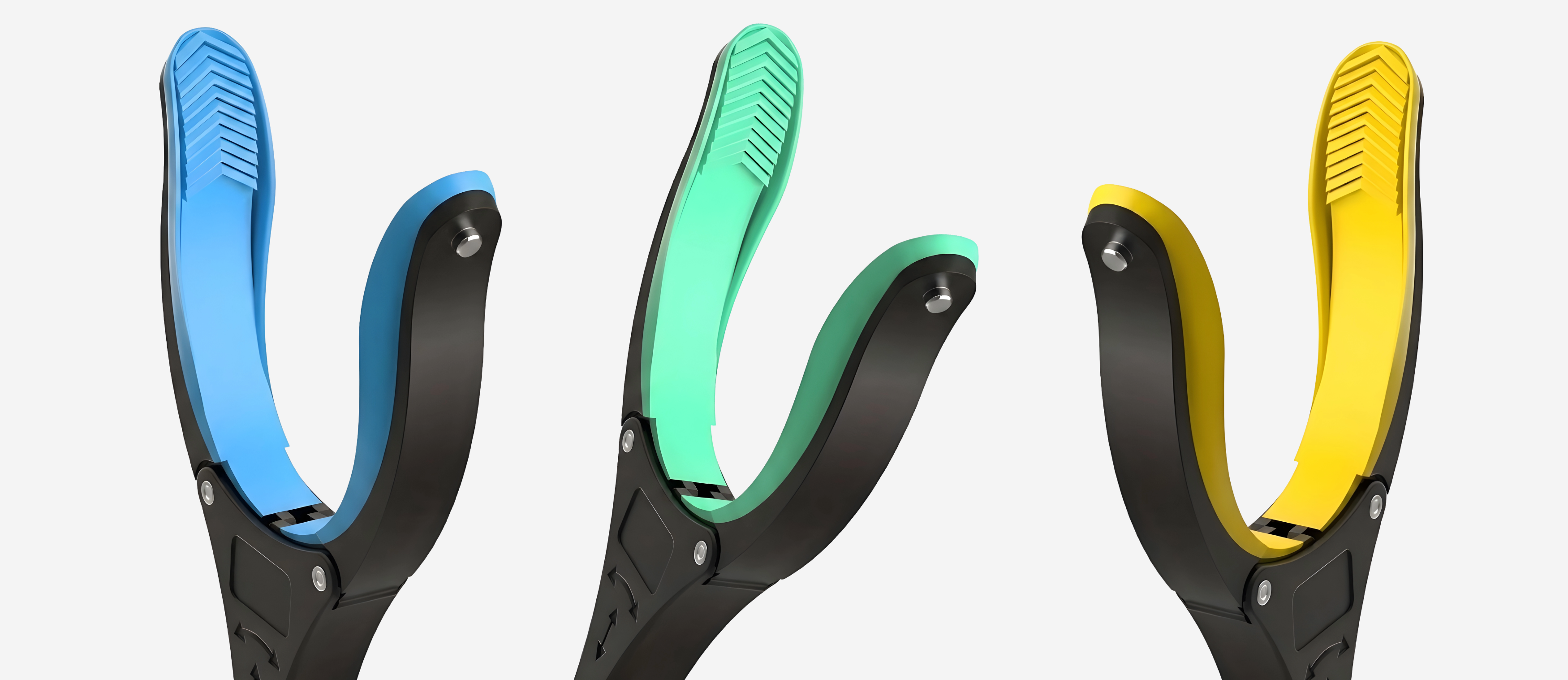
The kitchen is consistently identified as one of the highest fall-risk rooms in the home, alongside the bathroom. Kitchen falls cause significant injury in older adults and people with neurological or musculoskeletal conditions: the hard surfaces (tile, hardwood), the combination of wet floors, the distraction of cooking tasks, and the frequent position changes (reaching, bending, turning) all increase fall risk compared to other rooms. Conditions with the highest kitchen fall risk include: Parkinson disease (FOG, postural instability), PSP (backward falls), MSA (orthostatic hypotension), cerebellar ataxia, hemi-plegia from stroke, peripheral neuropathy (proprioception loss), vestibular disorders, and older adults with polypharmacy-related dizziness. Occupational therapy home safety assessments consistently identify the kitchen as a priority fall prevention target.
Kitchen Fall Risk Factors and Targeted Modifications
| Kitchen Fall Risk Factor | High-Risk Conditions | Safety Modification |
|---|---|---|
| Slippery or uneven kitchen floor surfaces | All conditions with gait impairment; elderly adults; peripheral neuropathy (cannot feel floor surface changes) | Non-slip kitchen mats at the sink, stove, and preparation area; remove throw rugs entirely; repair uneven tile or flooring transitions; ensure threshold between kitchen and other floors is flush |
| Bending and reaching that shifts center of gravity | Parkinson disease (FOG triggered by reaching); PSP (backward falls when bending or reaching); MS balance impairment; post-hip surgery; COPD (breathless during reaching) | Reacher grabber (GrabbersTool) for floor-level and overhead kitchen items -- eliminates the bending and overhead reaching that most commonly disrupt balance; store frequently used items in the 'safe zone' between waist and shoulder height |
| Turning in the kitchen (between kitchen zones) | Parkinson disease (turning triggers FOG and freezing); PSP (turning increases backward fall risk); cerebellar ataxia (turning impairs truncal stability) | Wide-radius turns in the kitchen (step around rather than pivoting); clear kitchen pathways with minimum 36 inches width for safe ambulation; grab bar or counter edge to support turning movements; kitchen layout modification to minimize required turns |
| Position change dizziness (orthostatic hypotension) | MSA autonomic failure; Parkinson autonomic dysfunction; elderly adults on antihypertensives; diabetes with autonomic neuropathy; cardiac medications | Rise slowly from kitchen chairs using armrests; pause at the edge of the chair before standing; grab counter or wall before walking after standing; blood pressure management per physician for symptomatic orthostatic hypotension; avoid rapid position changes in the kitchen |
| Distraction-related falls (cognitive load while walking) | Mild cognitive impairment (MCI); early dementia; Parkinson dual-task gait; MS cognitive fatigue | Put down carried items before navigating tight kitchen spaces; do not carry items while talking on the phone or being distracted; rolling cart for item transport to eliminate carrying-while-walking dual-task; simple kitchen layouts with clear pathways |
| Wet kitchen floor (from sink, spills) | All conditions with gait impairment; elderly adults; neuropathy; Parkinson with small shuffling steps | Non-slip bath mat in front of the kitchen sink; immediately clean up any water or liquid spills; kitchen shoes with non-slip rubber soles; avoid socks on wet kitchen tile; sensor-activated sink shut-off if prolonged faucet-on risk (dementia) |
See the 32-inch Reacher for kitchen fall prevention through elimination of bending and reaching that displaces balance.


