

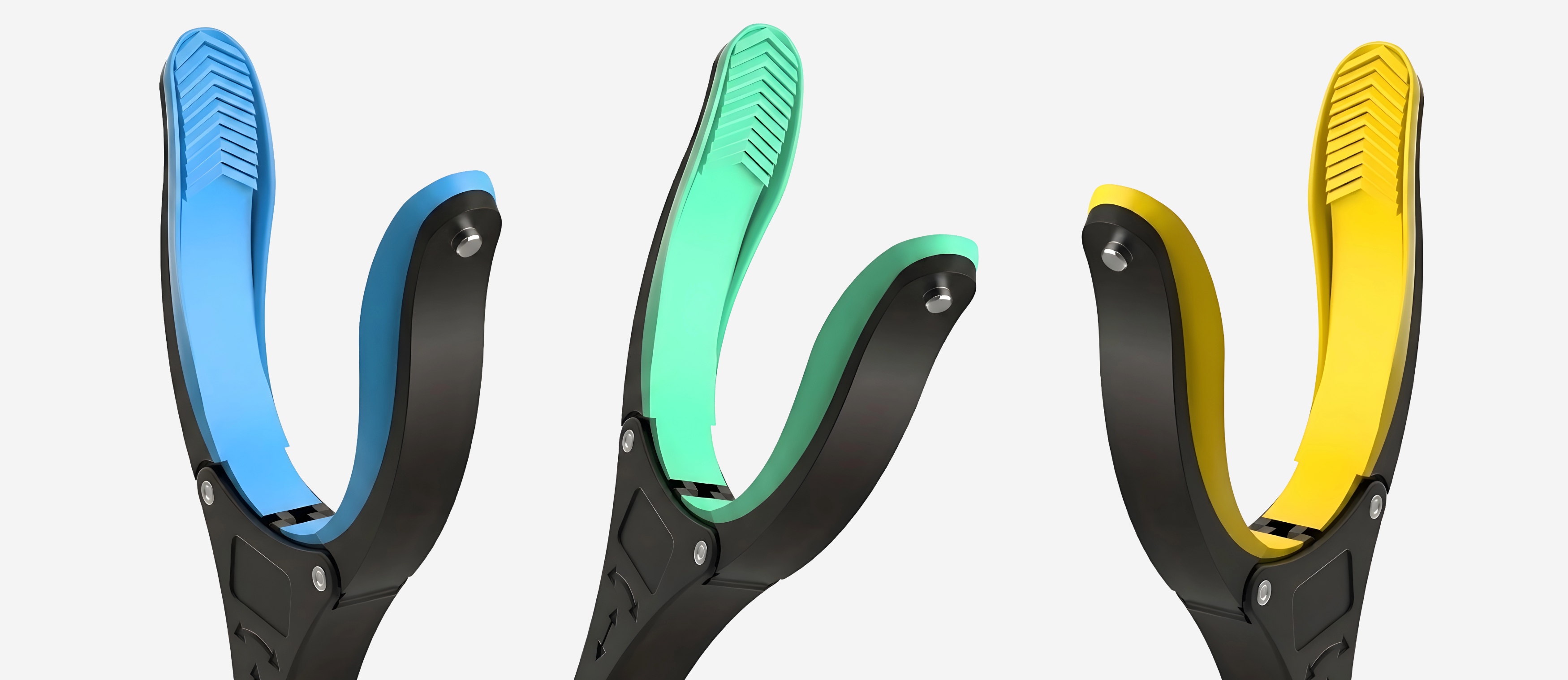
Adaptive equipment conversations frequently stall at cost — even when the tools are inexpensive relative to what they provide. A reacher grabber at $35 that prevents a single emergency room visit from a fall saves orders of magnitude more. But the cost objection is often less about affordability than it is about a belief that insurance or Medicare should cover these items if they are medically necessary — and the uncertainty about whether they do. Understanding the actual coverage landscape answers this question and identifies the most accessible funding pathways.
Direct answer: reacher grabbers, kitchen openers, cane straps, and standing assist tools in the GrabbersTool range are typically classified as personal care items, not durable medical equipment (DME), which means traditional Medicare and most private insurance do not cover them directly. However, FSA (Flexible Spending Account) and HSA (Health Savings Account) funds can be used for medically necessary adaptive equipment with a Letter of Medical Necessity from a physician. State Medicaid programs and vocational rehabilitation programs may cover broader categories. The out-of-pocket cost for GrabbersTool items is low enough that FSA/HSA use is the most practical pathway for most buyers.
Medicare Coverage: What Qualifies as DME
Medicare Part B covers durable medical equipment — defined as equipment that can withstand repeated use, is primarily used for a medical purpose, is generally not useful to a person who is not sick or injured, and is appropriate for use in the home. Classic DME examples include walkers, wheelchairs, hospital beds, and CPAP machines.
Reacher grabbers and kitchen adaptive tools are generally not covered under Medicare DME because:
- They do not typically require a physician prescription
- They are classified as personal convenience items by most Medicare contractors
- They are available without medical documentation
Walking canes, by contrast, can qualify as Medicare-covered DME when prescribed by a physician and obtained from a Medicare-enrolled supplier. The GrabbersTool Walking Cane is a retail purchase and is not currently sold through Medicare-enrolled supplier channels — meaning it would not qualify for direct Medicare reimbursement even if the item type is covered.
FSA and HSA: The Most Accessible Funding Pathway
FSA (Flexible Spending Account) and HSA (Health Savings Account) allow pre-tax dollars to be used for qualifying medical expenses. The IRS guidelines for FSA/HSA eligibility include adaptive equipment when it is used primarily to treat, mitigate, or prevent a medical condition.
| Funding Source | Eligibility for Adaptive Tools | Documentation Needed |
|---|---|---|
| FSA (employer-sponsored) | Yes — with Letter of Medical Necessity for most items | Physician LMN; receipts |
| HSA (self-directed) | Yes — same IRS criteria as FSA | Self-certify or physician LMN depending on administrator |
| Medicare Part B (DME) | No — reacher grabbers not classified as DME | N/A |
| State Medicaid | Varies by state — some cover adaptive daily living equipment | Prescription or OT evaluation |
| VA Benefits | Yes — veterans with service-connected disabilities may qualify | VA physician referral |
| Vocational Rehabilitation | Yes — if equipment supports employment | VR counselor evaluation |
Coverage determination for FSA/HSA use depends on account administrator interpretation and the specific item. A Letter of Medical Necessity from a physician or occupational therapist documenting the medical reason for adaptive equipment strengthens reimbursement claims. GrabbersTool provides standard purchase receipts suitable for FSA/HSA submission; detailed product specifications supporting medical documentation are available on each product page. View product specifications
Letter of Medical Necessity: What It Is and How to Get One
A Letter of Medical Necessity (LMN) is a document from a licensed healthcare provider (physician, occupational therapist, physical therapist) stating that a specific item is medically necessary for a named patient and condition. It typically includes:
- Patient name and date of birth
- Diagnosis or medical condition
- Description of the functional limitation
- Specific item requested and why it addresses the functional limitation
- Provider signature and credentials
For reacher grabbers, an LMN from a physician citing a mobility condition (arthritis, back surgery recovery, stroke, hip replacement) typically satisfies FSA/HSA administrator requirements. Most occupational therapists provide LMNs as a routine part of adaptive equipment recommendations — if an OT has recommended a reacher grabber, asking for a written LMN is a standard request they will recognize.
State Medicaid and Vocational Rehabilitation
State Medicaid programs have broader discretion than Medicare in covering adaptive daily living equipment. Some states cover reacher grabbers and adaptive kitchen tools as part of home-and-community-based waiver programs when recommended by an occupational therapist. Coverage varies by state, waiver type, and the specific condition and functional limitation documented. A home health agency or state Medicaid office can confirm what adaptive equipment categories are covered under the applicable waiver.
Vocational Rehabilitation programs (administered by each state) provide equipment that supports employment for people with disabilities. For an employee who needs a reacher grabber at a desk or adaptive openers in a break room, VR may fund the equipment as a workplace accommodation.
See also: Workplace Accessibility: Using Mobility and Adaptive Tools at Work and The True Cost of Not Using Adaptive Tools.
Browse GrabbersTool products eligible for FSA/HSA consideration at Reacher Grabber Tools, Easy Grip Kitchen Openers, and Ergonomic Mobility.


