

Hemophilia and other severe bleeding disorders create a progressive joint condition -- hemophilic arthropathy -- that is driven by recurrent hemarthroses (joint bleeds) in the target joints most susceptible to spontaneous bleeding. The elbow, knee, and ankle are the classic target joints in hemophilia A and B. Over years and decades of bleeds and resorption, hemophilic arthropathy produces a clinical picture very similar to severe OA: joint space loss, contracture, pain with movement, and progressive loss of range of motion. The person with hemophilia who reaches their 40s or 50s with significant hemophilic arthropathy of the elbow has essentially the same adaptive tool needs as someone with advanced elbow OA -- but with the additional caution of injury avoidance, because any fall or impact risk is a bleeding event.
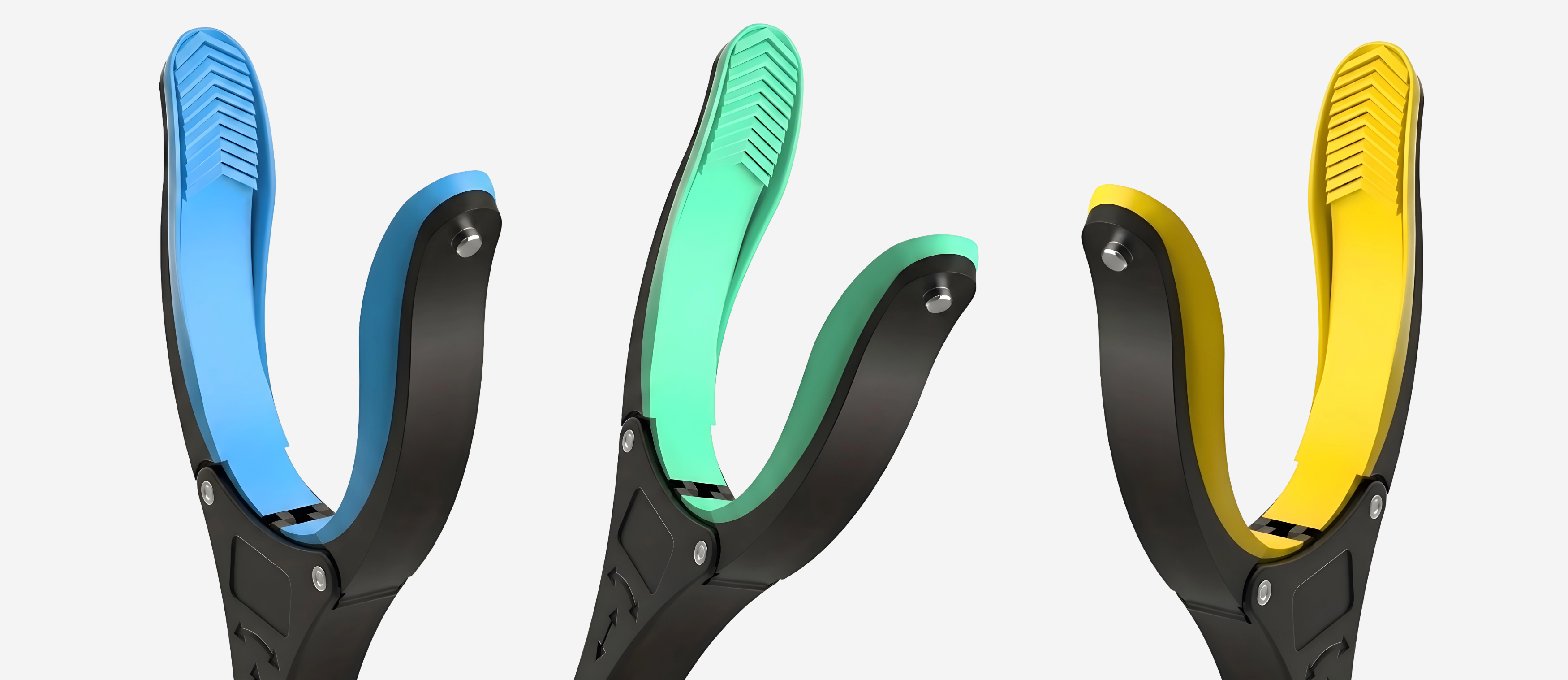
Direct answer: for hemophilia with hemophilic arthropathy, the adaptive kitchen tools serve two purposes: reducing painful joint use during arthritic movements (electric openers for elbow/wrist arthropathy), and preventing falls that would trigger bleeding events (reachers for floor retrieval that eliminate floor-bending fall risk). The GrabbersTool Electric Jar Opener eliminates the wrist and elbow torque of jar opening. The Reacher Grabber prevents the floor-level fall risk of bending to retrieve dropped items.
Hemophilia Adaptive Kitchen Profile
| Hemophilic Manifestation | Kitchen Task Impact | Adaptive Tool |
|---|---|---|
| Elbow hemarthropathy (contracture, pain) | Elbow extension limited; jar opening and overhead reach affected | Electric Jar Opener -- no elbow torque; 43-inch Reacher for overhead |
| Wrist hemarthropathy | Wrist rotation painful; jar rotation, doorknob turning | Electric opener -- motor provides rotation, wrist passive |
| Knee hemarthropathy | Floor retrieval and low-level bending painful/risky | Reacher Grabber -- standing retrieval |
| Fall risk (any cause -- knee weakness, gait instability) | Fall = joint bleed event; fall prevention is primary medical goal | Walking Cane + Reacher for floor tasks without bending |
| Ankle hemarthropathy | Gait instability; ambulation limited | Walking Cane for balance support |
Product specifications and weight ratings are on each product page. View Walking Cane specifications.
Impact Avoidance and Adaptive Tool Selection
For people with hemophilia and severe bleeding disorders, any impact-generating activity risks joint bleed or soft tissue bleed. Kitchen activities that involve impact -- dropping items, reaching and losing balance, jarring movements -- are categorically more hazardous than for the general population. The reacher grabber serves a specific injury-prevention function in the hemophilia household: by eliminating the bending-and-rising sequence for floor retrieval, it eliminates the most common kitchen balance-loss movement. A person with hemophilia who bends to retrieve a dropped can and loses balance catching themselves has a wrist bleed risk. The reacher prevents the balance-loss event entirely.
Children with Hemophilia: Early Adaptive Tool Introduction
Children with severe hemophilia begin experiencing target joint bleeds in early childhood. The adaptive tool literature for pediatric hemophilia focuses on school accommodations and activity restrictions. Kitchen adaptive tools for children with hemophilia serve the same household function they do for adults -- reducing joint loading during common tasks -- and may be introduced as part of home joint-protection education. GrabbersTool does not specifically market to pediatric populations, but the reacher grabber at appropriate length (32 inches) is operable by older children and teenagers with hemophilic arthropathy who need floor-retrieval support. See also: Adaptive Tools for Children and Teenagers with Disabilities: Independence at a Young Age.
Browse Reacher Grabber Tools and Ergonomic Mobility Solutions.


