

GrabbersTool sells adaptive tools directly to consumers, but a significant portion of customers arrive with a list from their occupational therapist. Understanding how occupational therapists select adaptive tools is useful both for patients who have had an OT evaluation and want to understand the recommendations, and for those who have not yet seen an OT but are trying to make adaptive tool decisions independently. The OT selection process is more systematic than consumer adaptive tool guides typically represent -- it starts with function, not products, and it addresses the whole person rather than a single limitation.
Direct answer: occupational therapists select adaptive tools through an ADL (activities of daily living) assessment process that identifies the specific functional gap between what the patient needs to do and what they can currently do. The tool selection follows from the gap analysis, not from a condition-specific product list. This means two patients with the same diagnosis may receive entirely different tool recommendations if their functional gaps differ.
The OT Adaptive Tool Selection Framework
Step 1: Occupational Profile
The OT establishes what roles and activities are meaningful and necessary for this specific person: are they a solo cook or do they have household support? Do they live in a house with stairs or a single-level apartment? Do they need to maintain independence for employment? The adaptive tool recommendation is anchored in this profile -- not in a generic template for the diagnosis.
Step 2: ADL Assessment
The OT evaluates specific ADL performance: cooking, dressing, bathing, home management. For kitchen tasks specifically, the assessment identifies exactly which steps of meal preparation are limited -- opening, cutting, reaching, carrying, sustained standing. GrabbersTool products address the opening and reaching components of kitchen ADL. Other products address other components. The OT selects tools for each identified gap.
Step 3: Underlying Performance Skills
The OT analyzes the underlying physical causes of the functional gap: is it grip strength, wrist range of motion, endurance, coordination, sensation, balance? This analysis determines whether the intervention should be a tool (compensating for a skill deficit), exercise (building the skill), or modification (removing the need for the skill). Many patients need all three simultaneously.
How GrabbersTool Products Map to OT Categories
| OT Deficit Category | ADL Task Affected | GrabbersTool Product |
|---|---|---|
| Grip strength reduced | Jar and can opening; bottle cap opening | Electric Jar Opener; Electric Can Opener; 5-in-1 Multi-Opener |
| Wrist rotation limited or painful | Jar opening (requires supination); stirring; pouring | Electric Jar Opener -- eliminates wrist rotation requirement |
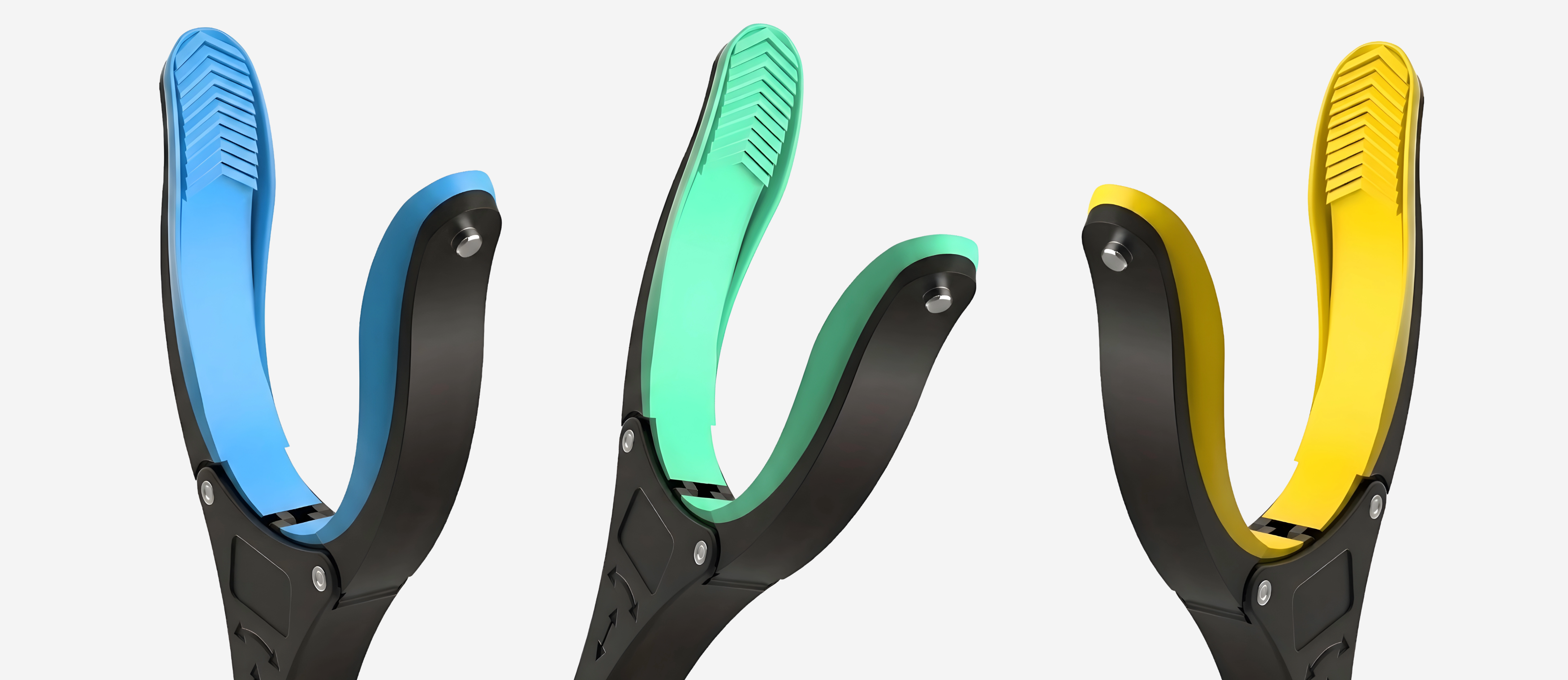
| Bending and floor access limited | Picking up dropped items; low storage; floor-level tasks | Reacher Grabber (32-inch or 43-inch depending on patient height and task distance) |
| Gait instability or fall risk | Indoor mobility; kitchen standing tasks; outdoor mobility | Walking Cane; Cane Strap |
| Chair-to-stand impaired | Getting up from low seating; transitioning from kitchen chair | Standing Assist Tool |
Full specifications for each product are on the GrabbersTool product pages. View Electric Jar Opener specifications.
What OTs Consider When Recommending GrabbersTool Products
OTs who recommend GrabbersTool products to patients describe a set of clinical considerations beyond the product function: weight of the product (can the patient lift and position the jar opener?), counter space requirement (does the patient have space for a counter-mounted device?), cognitive demand (can the patient learn to operate the device reliably?), and durability relative to frequency of use. GrabbersTool products are selected by OTs who have worked through these considerations with specific patient populations. The electric jar opener is recommended for patients with the counter space and cognitive capacity to use it consistently; for patients with severe cognitive impairment, simpler hand-held alternatives may be preferred. The OT match is patient-specific, not product-universal.
Getting an OT Evaluation for Adaptive Tools
Patients who want an OT evaluation specifically for adaptive tool selection can access occupational therapy through hospital outpatient OT, home health OT (covered by Medicare when homebound), and private OT practices. GrabbersTool consistently recommends OT evaluation before major adaptive tool purchases when the patient has multiple limitations -- the OT assessment is more efficient than trial-and-error purchasing. See also: Telemedicine and Occupational Therapy: Getting Remote Adaptive Tool Guidance.
Browse Easy Grip Kitchen Openers, Reacher Grabber Tools, and Ergonomic Mobility Solutions.


