

Falls are a leading cause of injury, particularly in older adults and people with medical conditions affecting balance, strength, and mobility -- and the kitchen is a common location for falls in the home. Kitchen falls can cause serious injuries (hip fractures, wrist fractures, head injuries, and other trauma), and in people with osteoporosis, the fractures can be severe and life-changing. Fall risk is increased by many factors: age-related changes (reduced balance, strength, vision, and reaction time), medical conditions (arthritis, neurological conditions like stroke and Parkinson disease, peripheral neuropathy, and conditions affecting balance and mobility), medications (some medications increase fall risk through dizziness, sedation, or blood pressure effects), reduced vision, and environmental hazards. The kitchen presents specific fall hazards: reaching (overreaching for high items, using step stools, and losing balance), bending (reaching low and losing balance), wet and slippery floors (spills, mopping), clutter and obstacles, poor lighting, and the need to turn and pivot during kitchen tasks. Kitchen fall prevention combines: reducing hazardous reaching and bending (using adaptive tools instead of overreaching and step stools), safe flooring and prompt spill cleanup, adequate lighting, kitchen organization to keep items accessible, stability support, and general fall prevention measures. This comprehensive guide covers kitchen fall prevention for high-risk adults, applicable across the many conditions that increase fall risk.
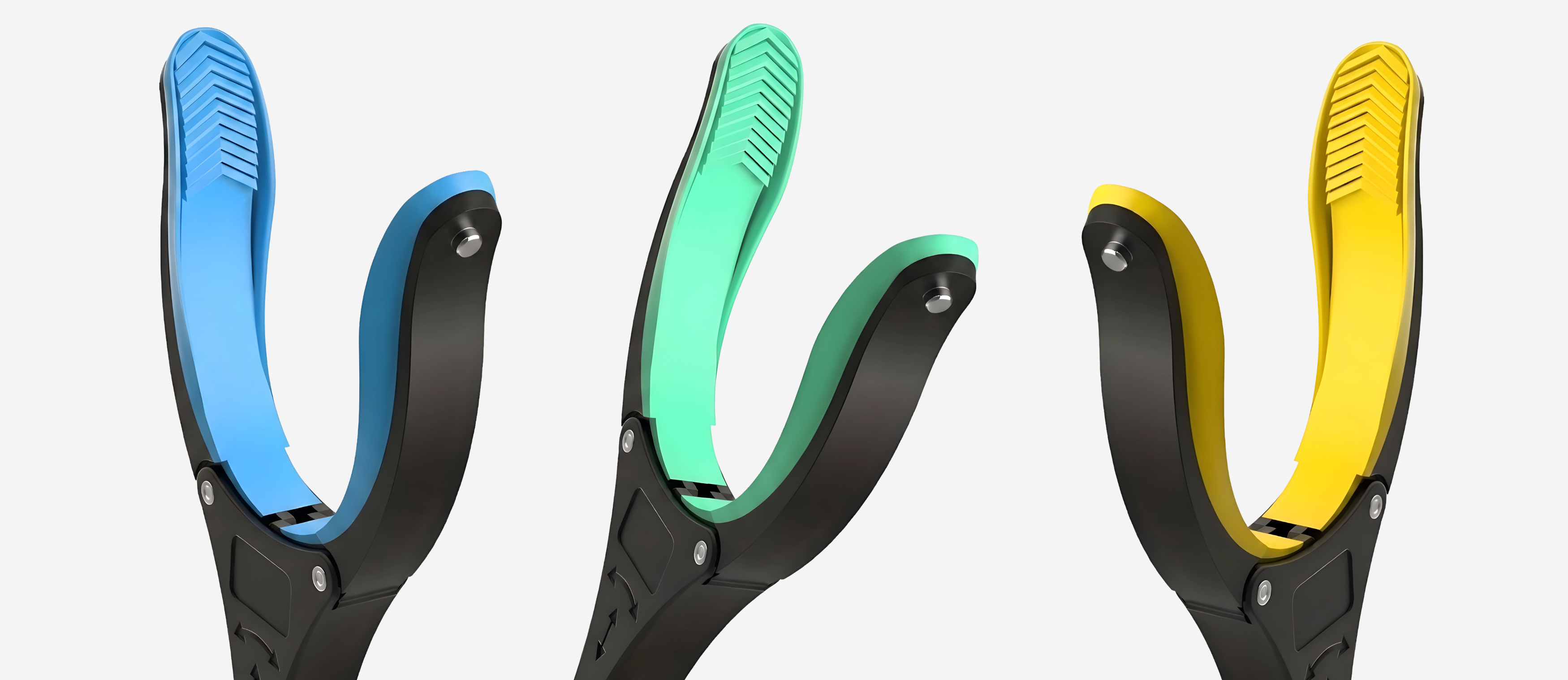
Direct answer: Kitchen fall prevention centers on eliminating hazardous reaching and bending (using a reacher instead of overreaching, step stools, and off-balance bending), safe flooring, adequate lighting, accessible organization, and stability support. The GrabbersTool 32-inch Reacher is a key fall-prevention tool -- it eliminates the overreaching, step stool use, and off-balance bending that cause many kitchen falls.
Kitchen Fall Prevention Strategy
| Fall Hazard | Kitchen Risk | Prevention Strategy |
|---|---|---|
| Hazardous reaching and bending | Reaching and bending are common causes of kitchen falls -- overreaching for high items (stretching, standing on tiptoe, and losing balance), using step stools and chairs to reach high cabinets (a major fall risk -- climbing in the kitchen), and bending down for low items (losing balance while bending, or difficulty rising); these reaching and bending movements challenge balance and cause falls; step stool use for high kitchen items is a particularly dangerous fall risk; the reaching and bending fall risk is significant and modifiable | Reacher grabber (GrabbersTool 32-inch) to retrieve high and low kitchen items without overreaching, using step stools, or off-balance bending -- eliminating these key fall risks; the reacher accesses high and low items while the person stands stably; never use step stools or climb in the kitchen (use a reacher or keep items accessible instead); kitchen reorganization to place frequently used items at accessible waist-to-shoulder height (avoiding both high reaching and low bending); the reacher and accessible organization eliminate the hazardous reaching and bending |
| Flooring, spills, and slip hazards | Wet and slippery kitchen floors are a common fall cause -- spills (water, liquids, food), wet floors from mopping, and slippery surfaces cause slips and falls; the kitchen floor is frequently exposed to spills; throw rugs and mats can be trip hazards (edges catch feet); clutter and obstacles on the floor cause trips; the combination of wet floors, rugs, and clutter creates slip and trip hazards; the flooring hazards are a significant and modifiable fall risk in the kitchen | Non-slip kitchen flooring and footwear (non-slip mats in front of the sink and stove; supportive non-slip footwear -- not socks or loose slippers); prompt cleanup of spills immediately (keep the floor dry); remove throw rugs or use non-slip backing and low-profile rugs (avoid trip-hazard edges); keep the kitchen floor clear of clutter and obstacles; secure or eliminate trip hazards; the safe flooring, prompt spill cleanup, and clutter-free floor reduce the slip and trip fall risk |
| Lighting, organization, stability, and general fall prevention | Poor kitchen lighting increases fall risk (difficulty seeing hazards, items, and the floor); reaching for items in cluttered or inaccessible storage challenges balance; the need to turn and pivot during kitchen tasks challenges balance (particularly in Parkinson disease, stroke, and balance conditions); general factors (medications, vision, balance conditions, and reduced strength) contribute to kitchen fall risk; stability support and general fall prevention measures reduce the overall risk; the comprehensive approach addresses lighting, organization, stability, and general factors | Adequate kitchen lighting (bright, even lighting to see hazards, items, and the floor; task lighting over work areas; night lighting); accessible kitchen organization (frequently used items within easy reach to avoid balance-challenging reaching); stability support (kitchen counters, rails, or grab bars for support during tasks and navigation; a stable perch stool for seated tasks); general fall prevention (medication review with the physician for fall-risk medications; vision correction; balance and strength exercise; managing the underlying conditions); occupational therapy home safety assessment for comprehensive kitchen fall prevention; the comprehensive strategy reduces kitchen fall risk across the contributing factors |
See the 32-inch Reacher for kitchen fall prevention by eliminating hazardous reaching and bending.


