

Multiple sclerosis fatigue is clinically distinct from ordinary tiredness in a way that people who have not experienced it often misunderstand. It does not respond to rest the way normal fatigue does, it is not proportional to physical exertion, and it can render cognitive and motor function severely limited on days when no apparent cause is visible. Occupational therapists who work with MS patients frame daily life around a single operating principle: the energy budget is fixed and limited; every task must be evaluated for whether its energy cost is proportional to its value.
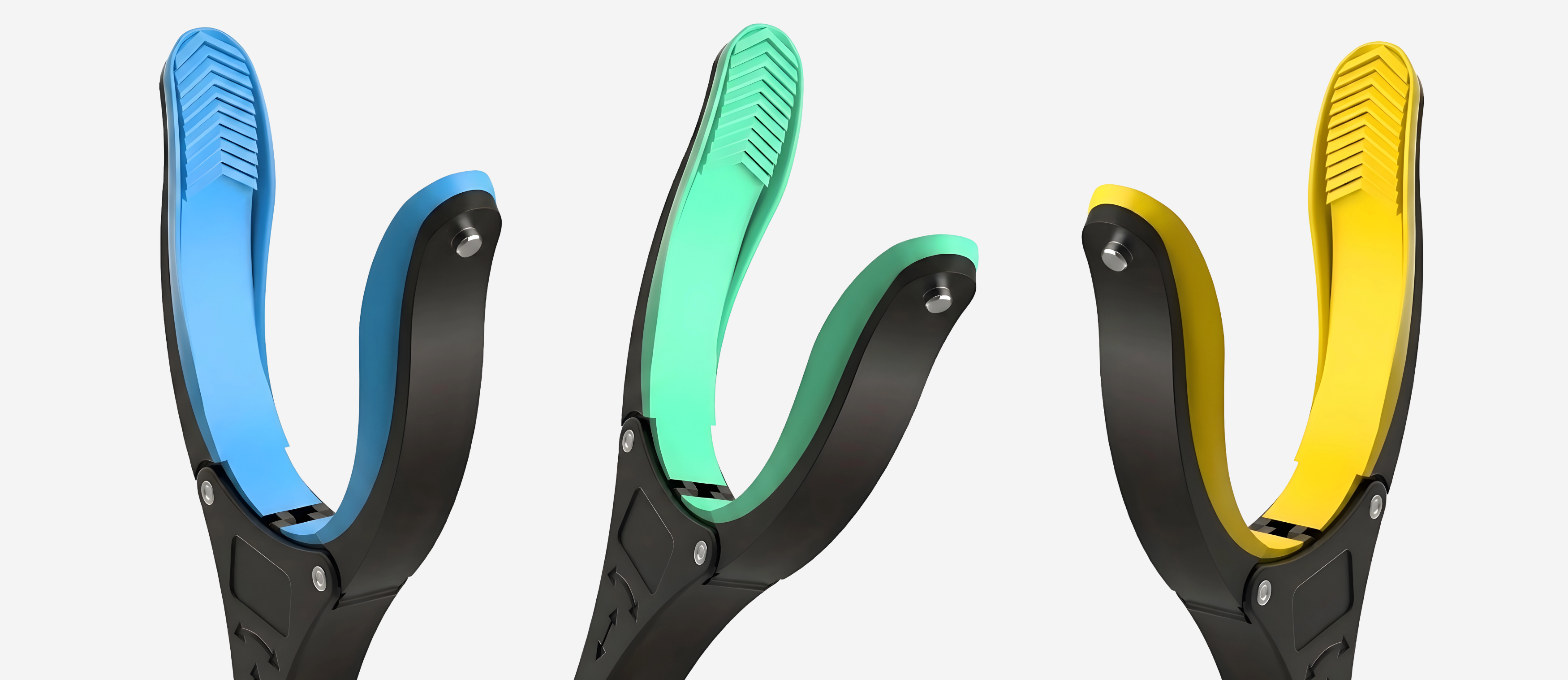
Direct answer: for people with MS fatigue, the most effective adaptive tools are those that reduce the energy cost of high-frequency daily tasks — specifically bending (which requires more muscle effort than people realize), reaching overhead (which engages stabilizing muscles throughout the motion), and grip-dependent kitchen tasks (which cause fine motor fatigue disproportionate to the task's apparent simplicity). The GrabbersTool Reacher Grabber eliminates the bending-and-straightening cycle; the Electric Jar Opener and Electric Can Opener eliminate the sustained grip effort in the kitchen.
Energy Conservation: The Central Framework for MS Daily Living
Occupational therapists working with MS patients use energy conservation as the organizing principle for daily task management. The framework involves:
- Priority ranking: categorizing tasks by their value to the person's daily life and ranking them against their energy cost
- Task modification: changing how a task is done to reduce its energy cost (sitting instead of standing, using tools instead of manual effort, batching tasks to reduce setup time)
- Timing: scheduling high-energy tasks for peak function periods — typically mid-morning for most people with MS, before fatigue accumulates
- Rest scheduling: planned rest periods before fatigue occurs, rather than reactive rest after energy is depleted
Energy Cost of Common Daily Tasks: The Hidden Expenditure
| Task | Hidden Energy Cost | Adaptive Modification | GrabbersTool Tool |
|---|---|---|---|
| Bending to floor (20x/day) | Cumulative trunk muscle effort; postural recovery after each bend | Reacher grabber — no trunk flexion required | Reacher Grabber |
| Jar opening (meal prep) | Sustained isometric grip — high fatigue for fine motor system | Motorized opener — passive user role | Electric Jar Opener |
| Can opening | Rotary motion requiring coordinated bilateral effort | Electric opener — single activation | Electric Can Opener |
| Carrying items between rooms | Extended arm load; balance demand during walk | Rolling cart; tray; batching trips | — |
| Standing during meal prep | Prolonged postural effort; balance fatigue | Perching stool at counter height | — |
| Getting up from low chair | Maximum leg extensor effort; recovery time needed | Raise chair height; standing assist tool | Standing Assist Tool |
The activation force and grip requirements for each GrabbersTool tool — relevant for assessing energy cost for users with MS fatigue — are detailed on the individual product pages. Lower activation force directly translates to lower energy expenditure per use. View the full collection →
The Reacher Grabber's Specific Value for MS Fatigue
The energy cost of bending to retrieve floor items is higher than most people recognize because it involves a two-phase movement: the forward flex to reach the item and the extension phase to return upright. The extension phase loads the lumbar erector muscles against gravity — a sustained isometric effort during the upward movement.
For a person with MS who bends to retrieve floor items 15–20 times per day, this represents 30–40 muscular effort cycles that a reacher eliminates entirely. GrabbersTool customers with MS who track their daily energy expenditure report that substituting the reacher for floor bending is one of the highest-impact single tool changes they have made — not because each individual bend costs much, but because the cumulative reduction over a full day is significant.
Heat Sensitivity and Tool Selection
Many people with MS experience Uhthoff's phenomenon — temporary worsening of neurological symptoms with elevated body temperature. On hot days or after physical activity that raises core temperature, motor function and fatigue may be significantly worse than baseline. This has implications for tool selection:
- Tools that require the least physical effort are most valuable on high-temperature days
- Electric kitchen tools are preferable to manual ones on hot days when grip strength is particularly reduced
- Scheduling physically demanding tasks for cooler parts of the day — early morning — preserves function for priority activities later
Cognitive Fatigue and Simple Tool Design
MS fatigue affects cognition as well as motor function. Complex multi-step tools — those requiring setup, configuration, or multiple actions to operate — become more burdensome on high-fatigue days. GrabbersTool's design principle of single-trigger operation for the reacher, and single-button activation for electric kitchen tools, aligns with the cognitive simplicity requirement for high-fatigue periods.
On days when fatigue is severe, a tool that requires one action (trigger press, button activation) is functionally accessible when a tool requiring three or four steps is not.
Planning for Variability
MS presents with significant day-to-day variability — a good day followed by a day with significant fatigue and symptom exacerbation. The adaptive tool setup should be functional on the worst days, not calibrated for average or good days. This means:
- Tools positioned in every room (not carried between rooms)
- Electric openers used as default (not as backup when manual fails)
- Storage organized for minimum-effort access as the baseline (not as accommodation for bad days)
See also: Aging in Place: What Independence at Home Actually Requires for the broader adaptive tool framework, and Can a Grabber Tool Replace a Home Health Aide for the independence context.
Browse the full Ergonomic Mobility and Easy Grip Kitchen Openers collections for GrabbersTool's complete adaptive range.


