

Myasthenia gravis does not behave like most weakness conditions -- it worsens with use. A person with MG may begin the morning with relatively functional grip strength and find that by mid-afternoon, the same hand cannot open a jar. This use-dependent weakness pattern (caused by impaired neuromuscular junction transmission) means that adaptive tool needs change across the day in ways that are not intuitive: the same person who managed breakfast independently may need full adaptive support for dinner preparation. GrabbersTool customers with MG describe this daily arc as the central planning challenge for home independence.
Direct answer: for myasthenia gravis, adaptive tool strategy should assume afternoon and evening weakness even on good morning days. Electric tools that require no grip repetition -- the GrabbersTool Electric Jar Opener (one button, zero repetitive grip) and Electric Can Opener (mechanical operation, hands-free after placement) -- are most appropriate because they complete tasks in a single action rather than multiple rotations. Repetitive-motion manual tools are counterproductive for MG: each rotation consumes neuromuscular resources that worsen the next repetition.
The Use-Dependent Weakness Problem in Daily Tasks
In myasthenia gravis, repeated muscle contractions deplete acetylcholine reserves at the neuromuscular junction faster than they can be replenished, causing progressive weakness with use. In practical terms:
- Opening one jar manually: manageable early in the day
- Opening a second jar after the first: noticeably harder
- Opening a third jar: may be impossible by the same hand
- The same sequence in the afternoon: each step may fail where the morning version succeeded
This pattern makes the choice of tool mechanism critical. A manual jar opener that still requires five rotations simply delays the neuromuscular depletion -- it does not prevent it. An electric opener that completes the task in one automated operation removes the repetitive load entirely.
Tool Selection by Task Type
| Daily Task | MG Challenge | Appropriate Tool | Why |
|---|---|---|---|
| Jar opening | Rotational grip -- multiple contractions | Electric Jar Opener | One-button operation, zero repetitive grip |
| Can opening | Lever handle requires sustained and repeated grip | Electric Can Opener | Mechanical drive, hands-free after start |
| Bottle caps | Pinch and rotate -- repeated contractions | 5-in-1 Multi-Opener | Lever mechanism reduces rotation count |
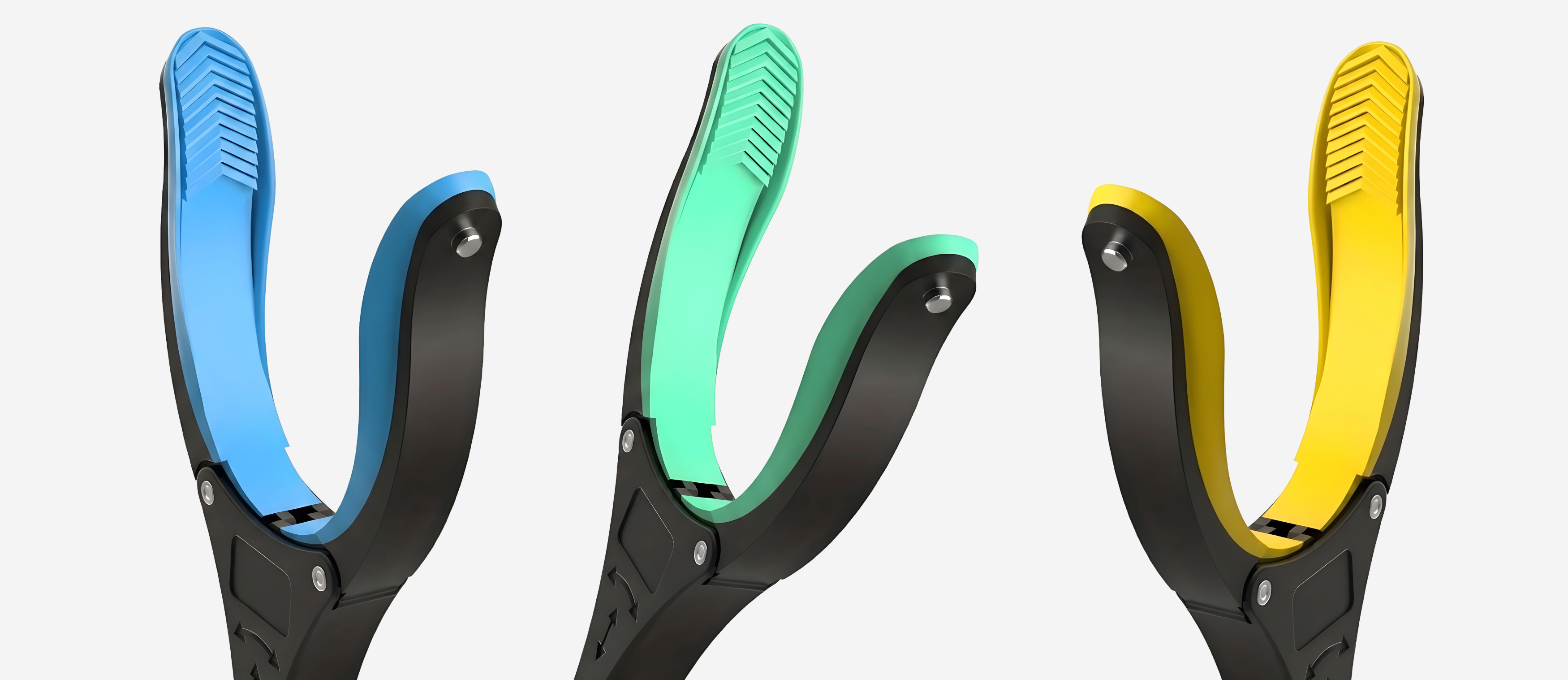
| Dropped object retrieval | Bending -- competes with arm and neck muscle reserves | 32 inch Reacher Grabber | One retrieve action vs. bend-and-rise sequence |
| Chair-to-stand transfer | Leg and trunk muscle demand, ptosis risk if straining | Standing Assist Tool | Arm assist redistributes load from weakening leg muscles |
Electric opener specifications -- including power source and operation mechanics -- are detailed on product pages. View Electric Jar Opener specifications
Ocular and Bulbar MG: Additional Adaptive Considerations
Ocular MG (ptosis and diplopia) and bulbar MG (swallowing and speech muscle involvement) add dimensions beyond grip and mobility. For ocular involvement, tool visibility matters: tools with clear operational indicators and simple one-step use are preferable when visual field is compromised by ptosis. The GrabbersTool electric openers use simple button or edge-grip placement that does not require precise visual targeting. For bulbar MG, the fatigue pattern during meal preparation (which precedes eating) is particularly relevant -- electric kitchen tools that reduce preparation time and effort preserve more functional reserve for the meal itself.
Planning Around the Daily Weakness Arc
Neurologists and occupational therapists who work with MG patients often recommend front-loading complex tasks to the morning when neuromuscular reserves are highest. For adaptive tool planning, this means:
- Batch prepare foods requiring manual effort in the morning
- Use electric openers even in the morning -- preserving reserves for tasks that cannot be mechanized
- Position reachers for afternoon and evening use when bending and lifting become more costly
- Place standing assist tool at the primary sitting location used for afternoon rest
See also: ALS and Adaptive Daily Living: Tools for Progressive Motor Neuron Disease and Multiple Sclerosis and Fatigue: Adaptive Tools That Conserve Energy.
Browse Easy Grip Kitchen Openers, Reacher Grabber Tools, and Ergonomic Mobility.


