

Occupational therapy (OT) kitchen assessments are standardized evaluations of a patient's ability to safely and independently perform kitchen activities of daily living (ADLs). Kitchen IADLs (instrumental ADLs) assessed by OTs include: meal preparation (planning, shopping, cooking), clean-up (washing dishes, cleaning surfaces), and kitchen safety (stove use, sharp utensil management, hot liquid handling). OT kitchen assessments are performed in acute rehabilitation hospitals, outpatient hand therapy clinics, home health settings, and community OT practices. A comprehensive OT kitchen assessment considers functional capacity, the specific diagnosis and its kitchen implications, the home kitchen environment, and the patient's goals and priorities.
What Occupational Therapists Evaluate in a Kitchen Assessment
| OT Assessment Domain | Specific Kitchen Measures | Clinical Implication |
|---|---|---|
| Grip strength (Jamar dynamometer) | Three-trial average grip strength in both hands (kilograms); normative data adjusted for age and sex; jar opening requires approximately 20-25 kg of grip force in a controlled study; grip below 15-20 kg significantly impairs standard jar opening | Grip below normative range = electric jar opener prescription; bilateral grip asymmetry (stroke, hemiplegia, mastectomy) = dominant vs. non-dominant assessment; grip recovery tracked over time in post-surgical and neuromuscular conditions |
| Reach and range of motion | Shoulder active range of motion (forward flexion, abduction for overhead reach); hip range of motion (flexion for hip precaution assessment); trunk forward reach distance (measured for hip precaution compliance) | Shoulder flexion below 90 degrees = reacher prescription for overhead kitchen access; hip flexion below 90 degrees at end-range = reacher prescription for hip precaution compliance; forward reach deficit = reacher or kitchen reorganization |
| Standing balance and endurance | Kitchen standing tolerance (timed); functional reach test; balance assessment (single-leg stance, tandem stance) for fall risk; standing on kitchen surfaces (tile, carpet, non-slip mat) | Kitchen standing tolerance below 10 minutes = seated preparation recommendation; fall risk on kitchen surfaces = non-slip mat prescription and kitchen pathway clearance |
| Cognitive kitchen safety | Stove use safety assessment (can the patient safely manage the stovetop: turn on, use, turn off without prompting?); recipe following ability; food safety judgment (can the patient identify expired or unsafe food?); multi-step sequencing (can the patient execute a multi-step recipe?) | Stove safety deficit = automatic stove shut-off device; recipe sequencing deficit = simplified recipe cards; food safety judgment deficit = food date labeling and caregiver oversight of refrigerator contents |
Most Common OT Kitchen Adaptive Equipment Prescriptions
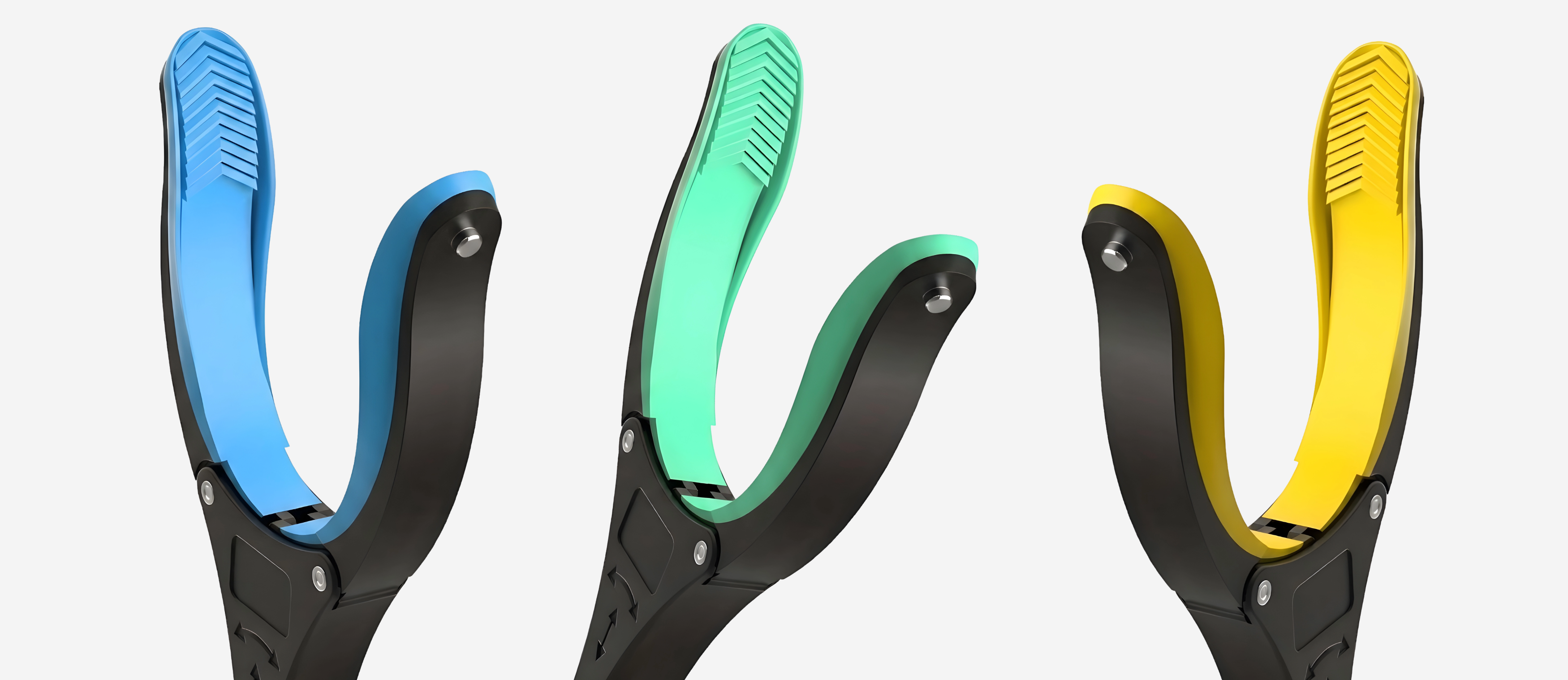
Based on OT clinical practice data, the most frequently prescribed kitchen adaptive equipment items include: reacher grabbers (post-hip replacement is the single largest indication), electric jar openers (arthritis, stroke, mastectomy, post-wrist surgery), non-slip mats, and built-up utensil handles. The GrabbersTool 32-inch Reacher and Electric Jar Opener are the two most clinically prescribed adaptive kitchen tools. See the adaptive kitchen collection for the complete clinical range of kitchen adaptive equipment options.


