

Post-COVID fatigue is poorly understood by people who have not experienced it. The common description is that it feels nothing like ordinary tiredness. Small physical efforts that would be imperceptible before illness now trigger significant fatigue responses that last hours or days. Grocery shopping and then cooking the same meal may be impossible in the same day. The medical framework that captures this is post-exertional malaise (PEM), and it is also the mechanism in myalgic encephalomyelitis and chronic fatigue syndrome. Managing it requires reducing the physical cost of every task, including the ones that appear trivially easy.
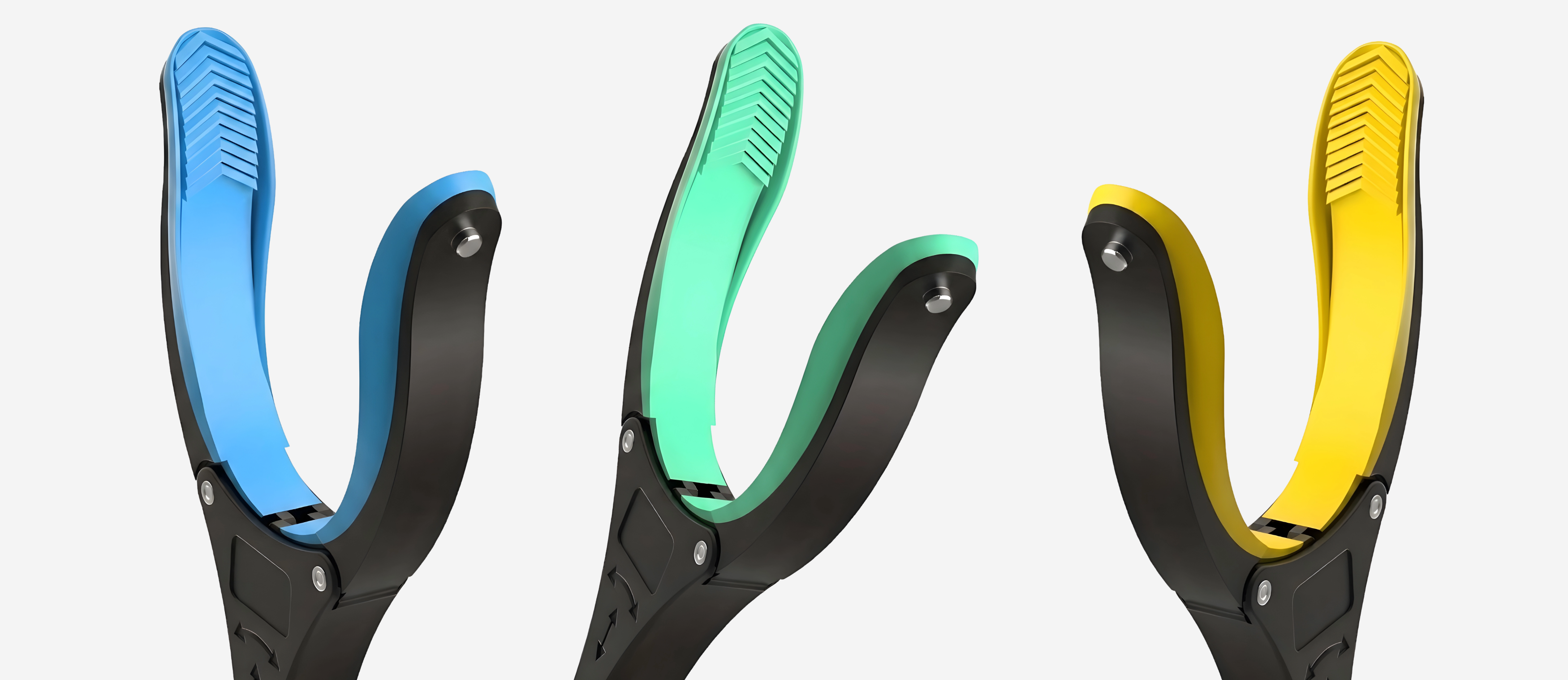
Direct answer: for post-COVID fatigue management at home, the adaptive tools that most reliably reduce physical load are: the GrabbersTool Reacher Grabber (eliminates stooping and repeated bending), the Electric Jar Opener and Electric Can Opener (remove grip and torque effort from kitchen tasks), and the Standing Assist Tool (reduces muscular effort of repeated sit-to-stand transitions). Together these tools reduce the daily physical expenditure on unavoidable tasks, preserving capacity for higher-priority activities.
What Post-Exertional Malaise Means for Daily Task Planning
Post-exertional malaise in long COVID means that the consequences of overexertion do not appear during the activity — they appear hours or days later. A person with post-COVID fatigue may feel capable of completing a task in the moment, complete it, and then experience a multi-day crash. This delayed consequence makes the standard self-regulation advice ineffective.
The practical implication is that energy conservation is about reducing the cost of unavoidable activity — so that the total daily expenditure stays below the threshold that triggers PEM. Adaptive tools that reduce the physical cost of essential tasks (eating, hygiene, household function) extend the available capacity for activities that matter more to quality of life.
High-Cost Daily Tasks and Their Adaptive Alternatives
| Task | Physical Cost Without Adaptation | Adaptive Tool |
|---|---|---|
| Picking up dropped items | Stoop, reach, rise — 3-movement sequence with core and leg activation | Reacher Grabber — standing retrieval, no bending |
| Opening jars | Bilateral grip force, wrist torque, sustained shoulder loading | Electric Jar Opener — motorized, minimal effort |
| Opening cans | Sustained grip on manual can opener, repetitive wrist rotation | Electric Can Opener — one placement, automatic |
| Rising from chair | Lower limb and core effort, repeated many times daily | Standing Assist Tool — reduces effort per transfer |
| Reaching to shelves | Overhead reaching with shoulder loading | 43 inch Reacher Grabber — retrieves without overhead reach |
Electric opener product specifications — motor type, lid size range, handle design, and weight — are detailed on the product pages. For post-COVID patients, handle weight is particularly relevant: holding a heavy tool with a fatigued arm is its own cost. View jar opener specifications
The Pacing Principle Applied to Household Tools
Pacing — distributing activity across the day to stay below the PEM threshold — is the primary management strategy for post-COVID fatigue supported by the ME/CFS research base. Adaptive tools support pacing by reducing the cost of unavoidable tasks. Removing grip-intensive tasks from the daily schedule meaningfully reduces total load.
GrabbersTool correspondence from post-COVID patients identifies kitchen tasks as a particular bottleneck: the combination of meal preparation (standing, reaching, gripping) and kitchen cleanup is often enough to trigger post-exertional malaise on its own. Removing jar and can opening from this sequence reduces total kitchen task load.
Positioning Tools to Reduce Secondary Trips
For post-COVID fatigue management, tool positioning matters as much as tool selection. A reacher grabber that requires going to the utility closet to retrieve is a tool that will not be used during a low-energy moment. Each adaptive tool should be positioned at its point of use: reacher at the bedside and at the main sitting chair; openers at the kitchen counter, not in a drawer; standing assist tool at the primary chair used throughout the day.
Reducing the number of secondary trips — going to get the tool, returning the tool, reaching across a counter — is itself a form of energy conservation for post-COVID patients.
When Post-COVID Fatigue Warrants Long-Term Adaptive Equipment
Post-COVID fatigue does not always resolve, and some patients experience persistent functional limitation for months or years post-infection. The adaptive tools appropriate for post-COVID fatigue are the same tools used permanently by individuals with MS fatigue, fibromyalgia, and other chronic fatigue conditions. There is no functional difference in the tool selection — only in the anticipated duration of use.
See also: Multiple Sclerosis Fatigue: How Adaptive Tools Extend Daily Energy and Fibromyalgia and Daily Living: Managing Chronic Pain With Adaptive Tools.
Browse the full range at Reacher Grabber Tools and Easy Grip Kitchen Openers.


