

Sciatica is the most common specific low back pain presentation seen in primary care — compression of the sciatic nerve (usually from a herniated lumbar disc) causes radiating pain from the low back through the buttock and down the leg, often to the foot. The bending restriction that comes with sciatica is not merely a physiotherapist instruction to follow — it is a pain-enforced reality. Every forward bend at the waist that loads the affected disc increases nerve compression and the associated pain. Daily living in a sciatica episode requires reorganizing how tasks are performed to eliminate or minimize lumbar flexion.
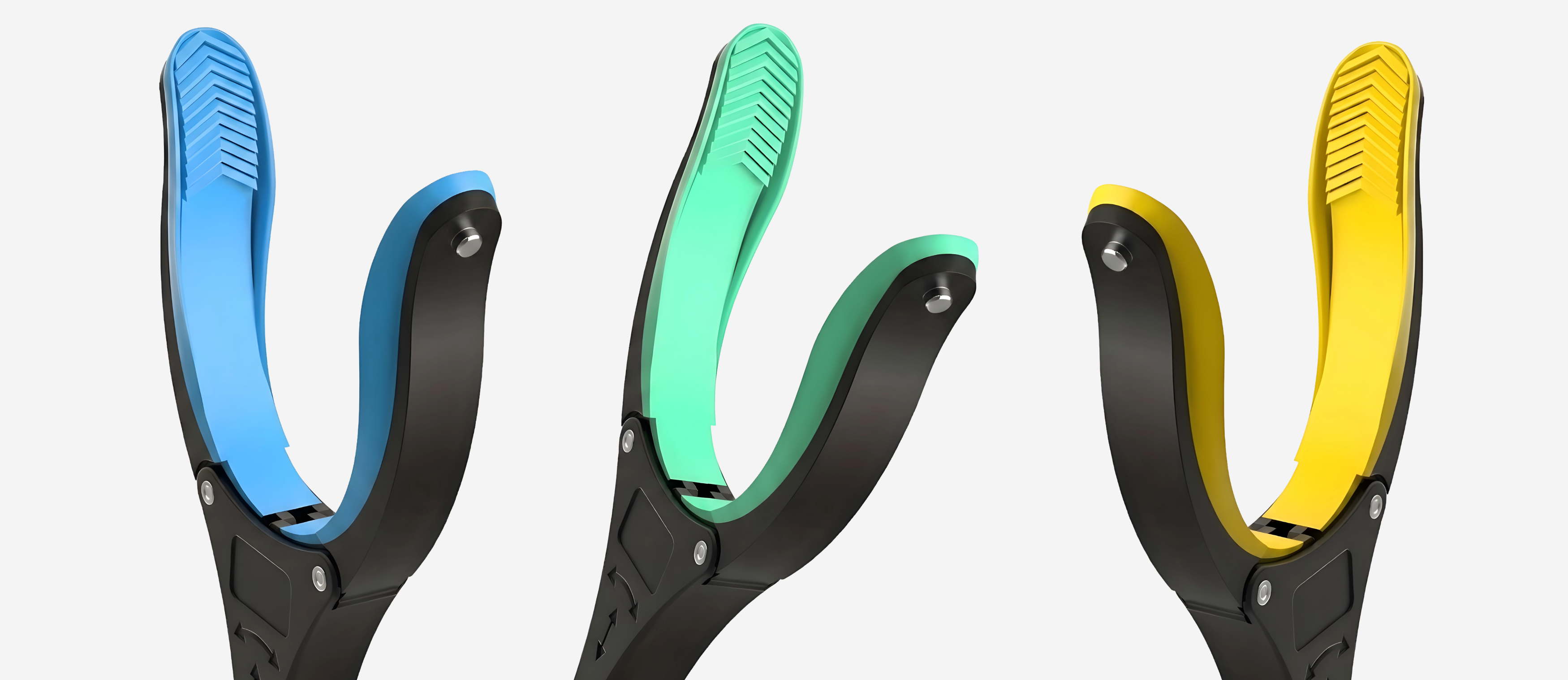
Direct answer: for sciatica-related bending restriction, the primary adaptive tool is the GrabbersTool Reacher Grabber, which eliminates the need for waist-level bending entirely for floor and low-level object retrieval. The Standing Assist Tool addresses the sit-to-stand transfer — a movement that involves lumbar flexion and extension under load — by reducing the effort required and allowing a slower, more controlled transition. The Electric Jar Opener reduces the sustained overhead and arm-forward positions in the kitchen that also load the lumbar spine in a compromised sciatica state.
Why Bending Is the Primary Sciatica Trigger
In lumbar disc herniation (the most common cause of sciatica), the herniated disc material compresses the nerve root. Lumbar flexion — bending forward — increases intradiscal pressure and can increase the herniation pressure on the nerve root. The Nachemson (1981) intradiscal pressure studies established that bending forward while standing increases lumbar disc pressure significantly compared to standing upright. This is the physiological basis for the bending restriction: it is not conservative caution — it is direct mechanical decompression of the affected nerve root.
Task-by-Task Sciatica Management
| Daily Task | Lumbar Flexion Risk | Adaptive Solution |
|---|---|---|
| Picking up objects from floor | High — full forward flex to floor level | Reacher Grabber — standing retrieval, zero lumbar flex |
| Rising from a chair | Moderate — forward flex during initiation phase | Standing Assist Tool — controlled, upright-biased transfer |
| Reaching to lower kitchen shelves | Moderate — forward flex with arm extension | Reacher Grabber from standing upright |
| Making the bed | High — sustained forward flex at waist | Reacher for tucking; long-handled tools for bed making |
| Loading the dishwasher | High — repeated forward flex to load lower rack | Reacher for lower rack items; modified loading technique |
| Sock and footwear management | High — forward flex to foot level | Reacher for sock management; long-handled shoe horn |
Reacher grabber specifications for sciatica use — reach length, jaw opening width, and handle length — determine whether the tool provides sufficient reach to eliminate bending for the specific home environment. A 32-inch reacher that does not quite reach the floor item is not an adequate sciatica management tool; confirm reach adequacy before purchase. View 32" specifications | View 43" specifications
Prolonged Sitting: The Second Sciatica Challenge
Prolonged sitting — which increases intradiscal pressure compared to standing or walking — is the second primary sciatica aggravator after bending. For sciatica management, the sit-to-stand transition is performed more frequently than in a healthy spine condition: the physiotherapy recommendation is typically to change position every 20-30 minutes to avoid accumulating disc pressure during sustained sitting. Each transition is a lumbar stress point without the standing assist tool; with the tool, the transition is less loaded and more frequent transitions become more feasible.
Sciatica Episode Duration and Tool Planning
Acute sciatica episodes typically resolve within 6-12 weeks with conservative management in most patients. However, recurrence rates are significant: a patient who has had one sciatica episode has meaningful probability of recurrence. Adaptive tools purchased for the first episode retain value for recurrence management — the reacher grabber used during recovery does not need to be discarded when sciatica resolves; it is kept for the next episode and for ongoing back protection.
GrabbersTool customers with recurrent sciatica report keeping the reacher grabber permanently as a preventive tool — using it for floor retrieval even during symptom-free periods to avoid the bending pattern that contributes to disc re-herniation.
See also: Chronic Back Pain and the Reacher Grabber: Eliminating the Bend and Preparing Your Home for Spine Surgery Recovery.
Browse Reacher Grabber Tools and Ergonomic Mobility for the full sciatica management adaptive range.


