

Spinal fusion surgery (arthrodesis) permanently joins two or more vertebrae to eliminate motion at a painful or unstable spinal segment. The recovery period is among the longest of all orthopedic surgeries, typically requiring 3 to 6 months before the fusion is solid enough for unrestricted activity, and up to 12 months for complete healing. During this period, patients are restricted from bending, twisting, and lifting -- the three movements most fundamental to household independence. Lumbar fusion (lower back) prevents bending forward and lifting from the floor; cervical fusion (neck) restricts head rotation, forward neck flexion, and lifting. Both create substantial adaptive tool needs.
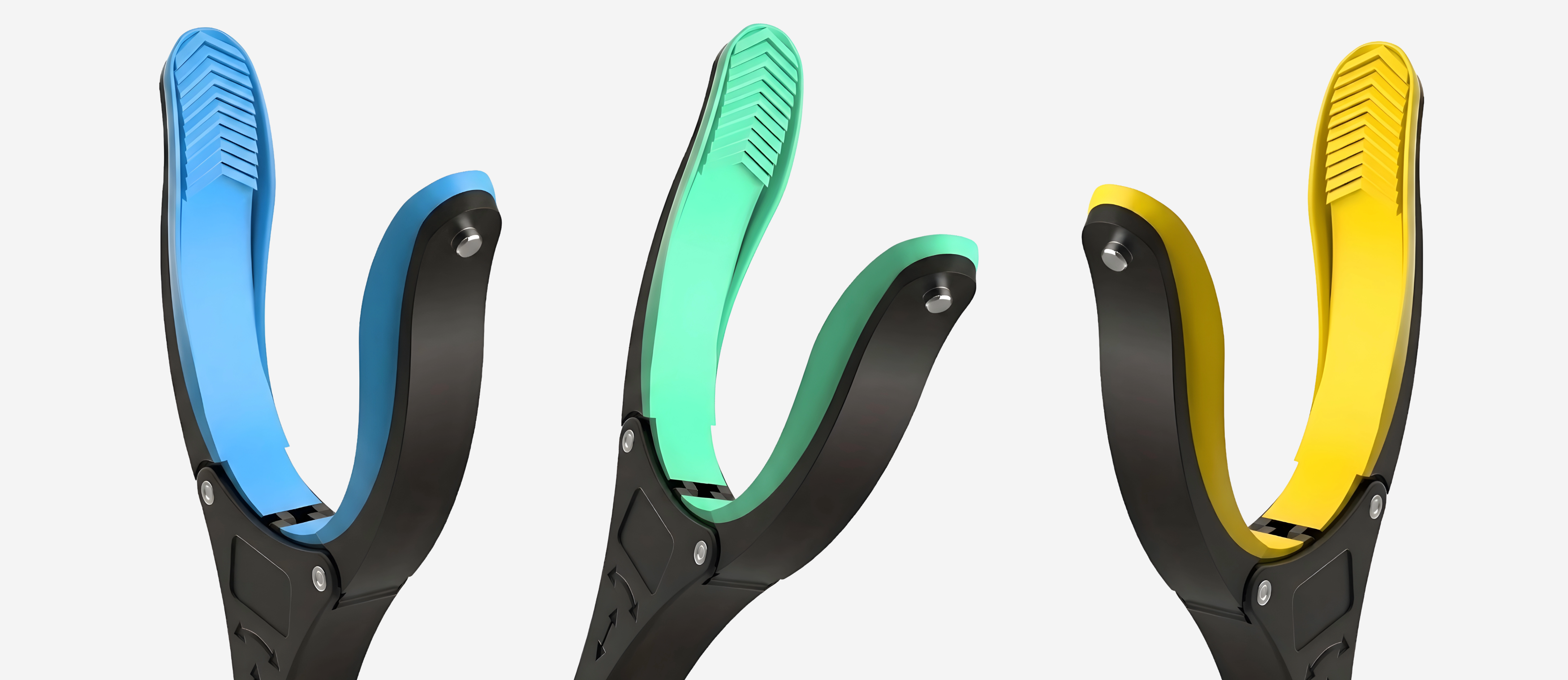
Direct answer: The single most important adaptive tool for lumbar spinal fusion recovery is the reacher grabber -- it directly replaces the bending movement that fusion recovery prohibits. Reaching the floor, picking up dropped items, and dressing the lower body all require forward bending that fusion patients cannot safely perform. The electric jar opener eliminates the twisting force that cervical and lumbar fusion patients must avoid. These two tools together address the core movement restrictions of spinal fusion recovery. See the 32-inch Reacher and Electric Jar Opener.
Spinal Fusion Restrictions and Adaptive Equipment
| Fusion Type | Key Restrictions | Most Critical Adaptive Tool |
|---|---|---|
| Lumbar fusion (L1-L5, L5-S1) | No bending forward; no lifting over 10 lbs; no twisting | Reacher (replaces bending); electric jar opener (eliminates twisting force) |
| Cervical fusion (C3-C7) | Neck brace during healing; no head flexion; lifting restricted to 5-10 lbs | Electric jar opener (no torque force to neck); reacher for low items |
| Thoracic fusion | Trunk rotation restricted; lifting limited | Reacher; lightweight cookware; electric appliances |
| Multi-level fusion | Extended restrictions; longer brace wear; reduced mobility | Complete adaptive equipment setup; OT home assessment recommended |
Dressing With a Lumbar Fusion
One of the most immediate challenges post-fusion is lower body dressing. Putting on socks, pants, and shoes requires forward trunk bending -- the exact movement fusion recovery prohibits. A reacher combined with a long-handled shoehorn and sock aid (separate devices) addresses each part of the dressing sequence. The reacher retrieves clothing from the floor and guides pants legs over feet without bending.
The 43-inch Reacher may be preferred by taller patients or those whose fusion position makes the standard 32-inch insufficient for full floor access. Browse the reacher collection and kitchen adaptive tools.


