

GrabbersTool support team consistently encounters customers who found adaptive tools on their own -- through an internet search, through a friend with a similar condition, through trial and error -- without any guidance from their medical team. Their doctors know about their condition. Their doctors do not know that the patient is struggling to open jars, retrieving dropped items by bending despite lumbar pain, or rising from chairs without assistance on days when the pain peaks. The conversation about daily living function does not happen automatically in most medical appointments -- it must be initiated by the patient.
Direct answer: to get appropriate adaptive tool guidance and occupational therapy referrals from your medical team, you must specifically raise daily living limitations at your appointment -- not only symptom severity. Say clearly: I am having difficulty with specific tasks (jar opening, floor retrieval, rising from chairs). Ask explicitly: should I see an occupational therapist for a daily living assessment? Most physicians will issue an OT referral when asked directly in functional terms. The OT assessment then provides professional guidance on the full adaptive tool and environment modification program.
Why the Conversation Does Not Happen Automatically
Medical appointments are structured around symptom review, medication management, and diagnostic monitoring. Daily living function -- whether a patient can open jars, how many times they fall bending to retrieve dropped items, whether they can rise from a chair safely -- is not part of the standard review format for most physician specialties. Physicians who do not ask about daily function do not omit it from indifference; it is a time and focus constraint. The patient who raises daily living limitations explicitly makes it possible for the physician to respond.
What to Say at Your Appointment
Specific, functional language is more actionable than general complaints. Compare:
- Less effective: "I have been struggling with daily activities" (too vague -- no action implied)
- More effective: "I am unable to open jars due to grip pain, I fall when bending to retrieve items, and I need assistance rising from chairs in the morning. Can you refer me to occupational therapy for a daily living assessment?"
The second version gives the physician a specific functional picture and a specific action to take. Most primary care and specialist physicians will respond to this with an OT referral.
What an Occupational Therapist Provides
| OT Assessment Area | What It Covers | Relevance to Adaptive Tools |
|---|---|---|
| Activities of daily living assessment | Functional evaluation of cooking, dressing, bathing, mobility tasks | Identifies specific task failures for targeted tool recommendations |
| Home environment assessment | Kitchen layout, bathroom configuration, furniture height, safety hazards | Optimizes tool placement and identifies modifications needed |
| Adaptive equipment trial | Hands-on trial of recommended tools before purchase | Confirms tool fit before investment |
| Technique training | Safe use of adaptive tools, joint protection techniques | Maximizes tool effectiveness and safety |
| Equipment documentation | Written prescription for adaptive equipment (required for some funding) | May be needed for insurance or veteran benefits coverage |
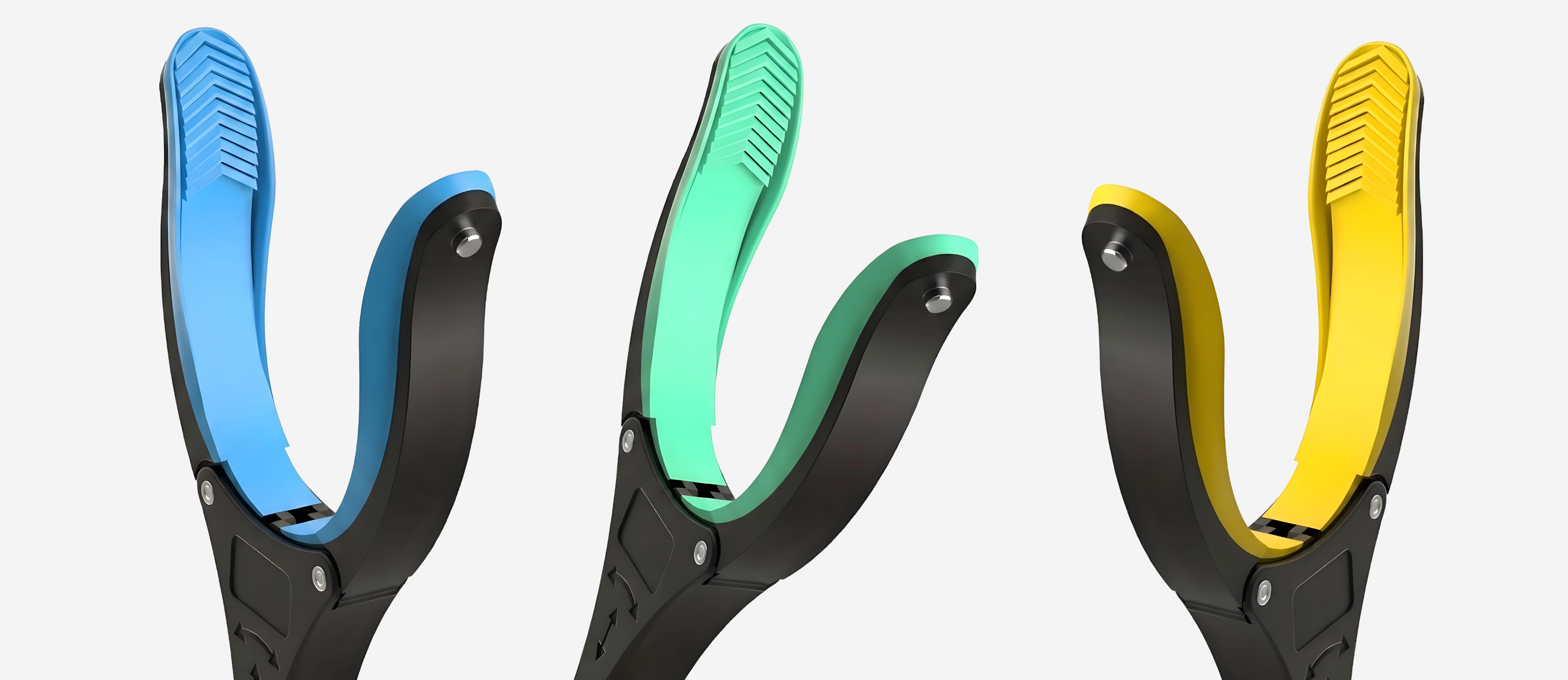
GrabbersTool products are frequently recommended by occupational therapists -- see the specific product pages for tool details to share with your OT. View 43 inch Reacher Grabber specifications
Insurance and Adaptive Equipment Coverage
Standard health insurance (including Medicare) typically does not cover retail adaptive daily living tools like reachers, electric openers, or standing assists without a physician prescription and medical necessity documentation -- and even with documentation, coverage is limited for this category. However, for veterans (VA benefits), post-surgical recovery (some durable medical equipment coverage), or specific diagnoses with documented functional limitation, insurance coverage may apply. An occupational therapist can guide the documentation process. GrabbersTool cannot advise on individual insurance coverage decisions -- this is a question for the OT and the insurance plan.
When You Cannot Get an OT Referral
Some patients face barriers to OT referral: no OT available in their area, insurance not covering OT visits, physician not initiating a referral despite request. In these situations, self-directed adaptive tool selection based on the condition-specific information available on the GrabbersTool blog provides a reasonable starting point. The product pages include functional descriptions and use case guidance. Self-selected tools based on condition-specific need -- reacher for floor retrieval, electric opener for grip limitation, standing assist for transfer difficulty -- address the most common functional gaps without OT guidance.
See also: Occupational Therapy Home Programs and Adaptive Tools: What OTs Recommend and Why and Adaptive Tools and Insurance: What Medicare and Private Insurance Cover.
Browse Reacher Grabber Tools, Easy Grip Kitchen Openers, and Ergonomic Mobility.


