

Tendinitis of the wrist and elbow is one of the most common presentations in sports medicine and occupational medicine — and one of the most behaviorally challenging to manage. The standard treatment includes rest from the aggravating motion, but the aggravating motions (grip, rotation, extension) are also the motions required for daily kitchen tasks. Telling a patient with lateral epicondylitis to "rest the wrist" while they continue to manually open jars and cans is a contradiction: the treatment and the daily living requirement are in direct conflict. Adaptive tools resolve this conflict.
Direct answer: for tendinitis affecting grip and wrist rotation, the kitchen tools that most reduce aggravating movement are: the GrabbersTool Electric Jar Opener (eliminates wrist rotation and grip force during jar opening), the Electric Can Opener (eliminates sustained grip and rotation during can opening), and the 5-in-1 Multi-Opener (lever mechanics reduce the peak torque required for bottle tops). Together these tools remove the high-load kitchen tasks most likely to aggravate or re-injure a recovering tendon.
Common Tendinitis Presentations and Their Kitchen Implications
Lateral Epicondylitis (Tennis Elbow)
Tennis elbow involves the common extensor tendon at the lateral epicondyle. The aggravating movements are: gripping, wrist extension under load, and wrist rotation (especially supination — palm-up rotation). Kitchen tasks that aggravate tennis elbow include jar opening (pronation-to-supination rotation under grip load) and can opening (sustained grip). The electric jar opener and can opener both eliminate these specific loading patterns.
Medial Epicondylitis (Golfer Elbow)
Golfer elbow involves the common flexor tendon at the medial epicondyle. The aggravating movements are wrist flexion under load and pronation (palm-down rotation). Kitchen tasks that aggravate golfer elbow include pouring from heavy containers and wringing (not typically a GrabbersTool product area). Electric openers that require only placement and button press rather than flexion-rotation sequences reduce aggravating load.
De Quervain Tenosynovitis
De Quervain involves the tendons of the abductor pollicis longus and extensor pollicis brevis at the radial wrist. The aggravating movement is thumb abduction with wrist ulnar deviation — exactly the grip position used to open jars. Electric jar opening, which does not require this specific thumb-wrist combination, directly eliminates the most aggravating kitchen motion for De Quervain.
| Tendinitis Type | Primary Aggravating Kitchen Motion | Adaptive Solution |
|---|---|---|
| Tennis elbow (lateral epicondylitis) | Wrist rotation under grip load (jar opening) | Electric Jar Opener + Electric Can Opener |
| Golfer elbow (medial epicondylitis) | Wrist flexion under load | Electric Jar Opener — reduces load pattern |
| De Quervain tenosynovitis | Thumb abduction with ulnar deviation (jar grip) | Electric Jar Opener — eliminates specific motion entirely |
| Wrist extensor tendinitis | Wrist extension under load | Electric openers; 5-in-1 Multi-Opener lever mechanics |
Electric jar opener activation does not require wrist rotation or grip force on the jar lid — the user holds only the jar body in neutral wrist position. The specific wrist position required during electric opener operation is described in the product documentation. View electric jar opener specifications and operation
The Tendinitis Recovery Paradox
Tendinitis recovery requires reducing load on the affected tendon below the pain and damage threshold. But everyday life creates constant opportunities to exceed that threshold: every jar, every can, every bottle re-aggravates the tendon. The recovery timeline extends because the rest period is never truly rest — the tendon is loaded repeatedly throughout the day through ordinary kitchen tasks.
Electric openers change this equation: the tendon-aggravating tasks are removed from the daily routine, allowing the recovery period to be genuine rest from the specific motion rather than reduced-intensity continuation of the same motion.
Positioning the Reacher During Tendinitis
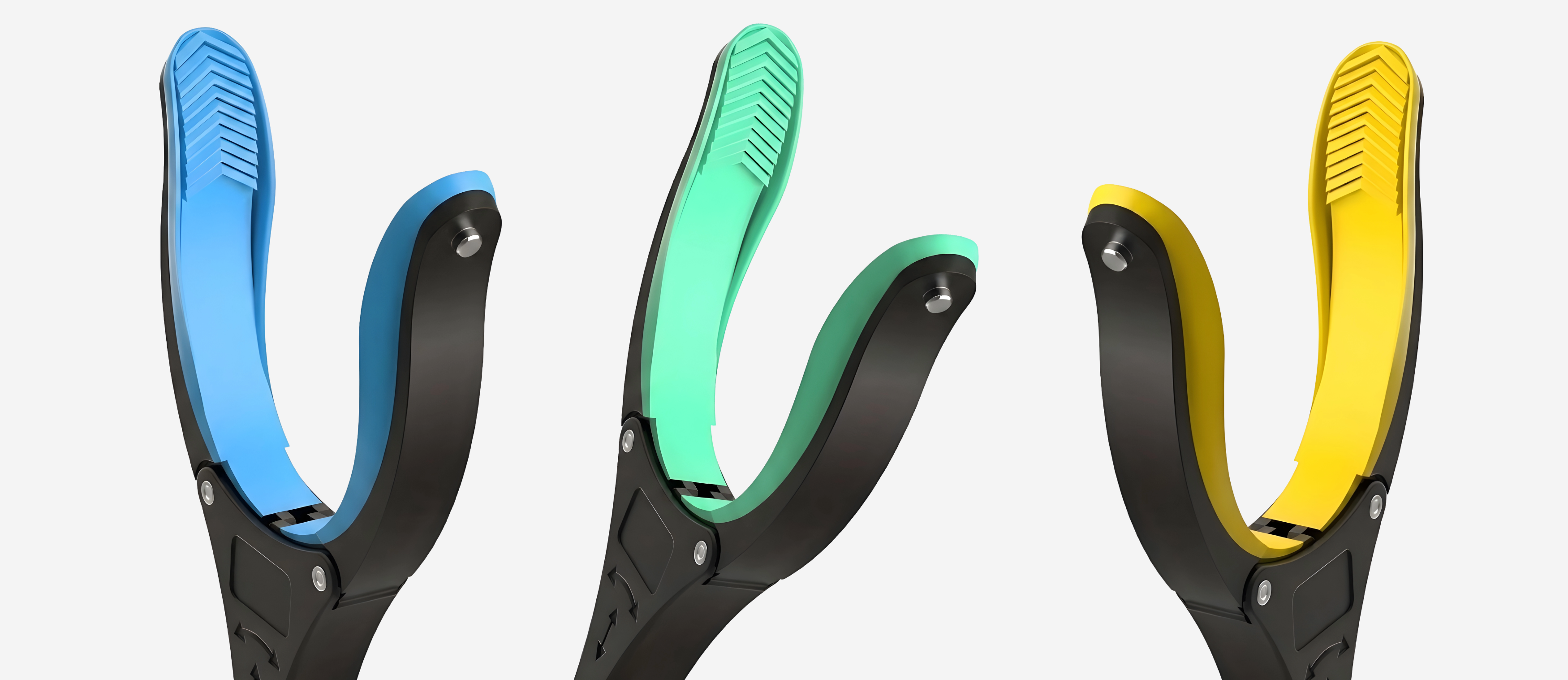
Reacher grabber use during wrist or elbow tendinitis requires some consideration: the reacher trigger is a grip-and-squeeze action that loads the hand and forearm. For lateral epicondylitis specifically, sustained grip on the reacher trigger may aggravate the condition if used for extended periods. For floor retrieval where bending is also restricted (accompanying back problem, pregnancy, recent surgery), the reacher remains useful — but the grip load on the reacher should be minimized by limiting the duration and frequency of reacher use during active flares.
See also: Arthritis and Jar Opening: Why the Right Opener Changes Everything and Wrist Fracture Recovery: Adaptive Tools That Restore Daily Independence.
Browse Easy Grip Kitchen Openers for the full range of tools that reduce wrist and grip load during tendinitis recovery.


