

Adaptive equipment for children with physical disabilities is a specialized pediatric OT domain that differs from adult adaptive equipment in three important respects: developmental stage (the child's physical and cognitive development changes what tools are appropriate at different ages), growth (equipment that fits this year may not fit next year), and context (school, home, and community participation are equally important, not just home function). Children with conditions including cerebral palsy, spina bifida, muscular dystrophy, juvenile arthritis, and limb differences all have adaptive equipment needs -- but those needs must be assessed in the context of the child's specific development, not simply scaled down from adult recommendations.
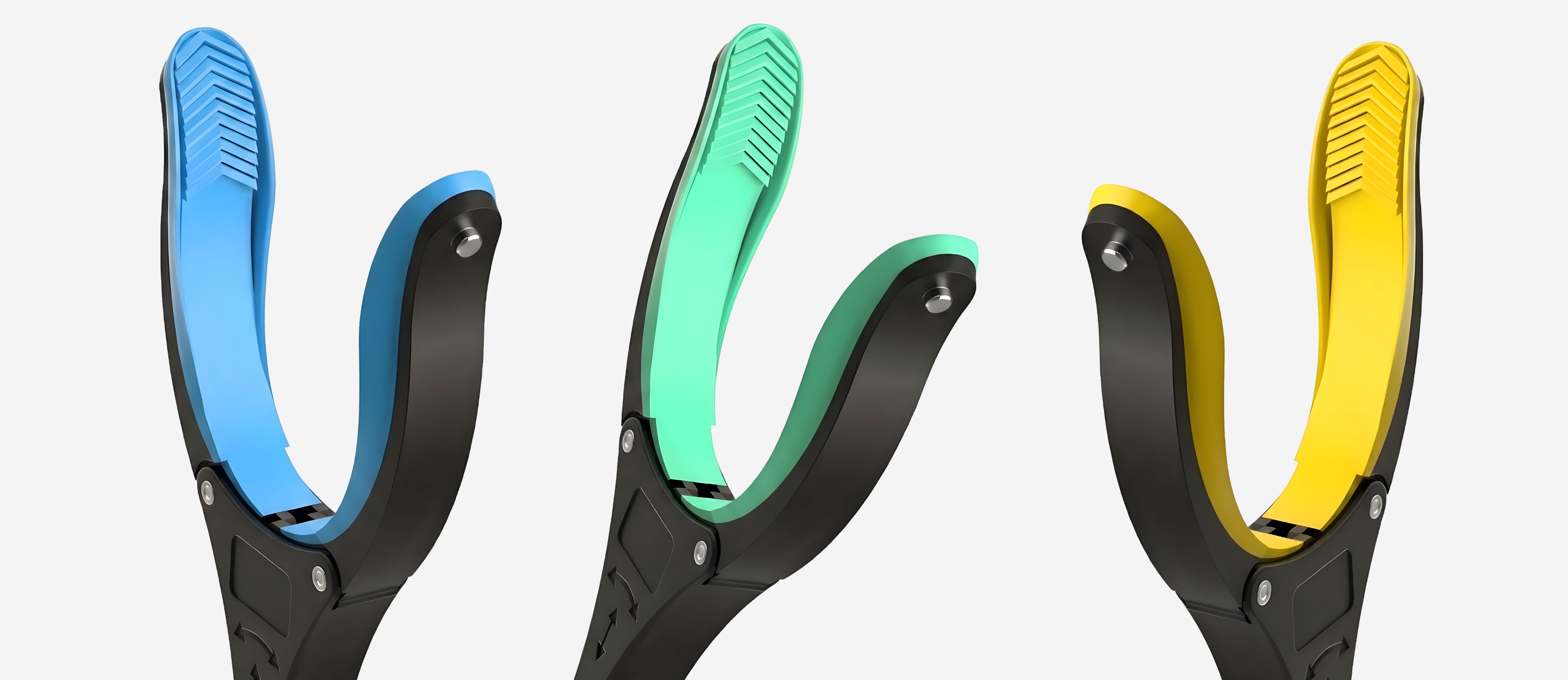
Direct answer: Pediatric adaptive equipment selection should always involve a pediatric occupational therapist -- the developmental and contextual considerations are too complex for catalog-based selection without clinical assessment. Parents and caregivers seeking immediate guidance: smaller and lighter versions of adult adaptive tools are often appropriate for older children (age 8+); younger children typically require custom-fitted or highly specialized equipment assessed by a pediatric OT. The GrabbersTool Reacher is sized for adults; suitability for a child depends on the child size and the specific task.
How Pediatric Adaptive Equipment Differs From Adult
| Factor | Adult Equipment | Pediatric Considerations |
|---|---|---|
| Size and weight | Standardized for adult body | Equipment must fit the child; adult tools often too heavy or long |
| Developmental appropriateness | Adult cognitive and motor capacity assumed | Must match developmental stage, not just physical size |
| School and community use | Home-focused | Equipment must also work in school and community settings |
| Growth accommodation | Stable needs | Equipment may be outgrown; adjustable designs preferred |
| Play and peer interaction | Not a primary concern | Equipment that interferes with peer participation is often rejected by children |
Common Pediatric Adaptive Equipment by Condition
- Cerebral palsy: Power and manual wheelchairs, seating systems, communication devices, weighted utensils, adapted grip handles for schoolwork
- Spina bifida: Wheelchairs, reachers for lower-level items, long-handled dressing aids, adapted bathroom equipment
- Juvenile arthritis: Adapted writing tools, jar openers, non-slip mats, tools to reduce hand-joint loading
- Muscular dystrophy: Power wheelchairs as strength declines, mobile arm supports, lightweight utensils, voice-controlled technology
For older children and adolescents with reach limitations or floor-retrieval needs, the GrabbersTool 32-inch Reacher may be appropriate depending on body size. A pediatric OT assessment is recommended to confirm suitability. Browse the reacher collection.


