

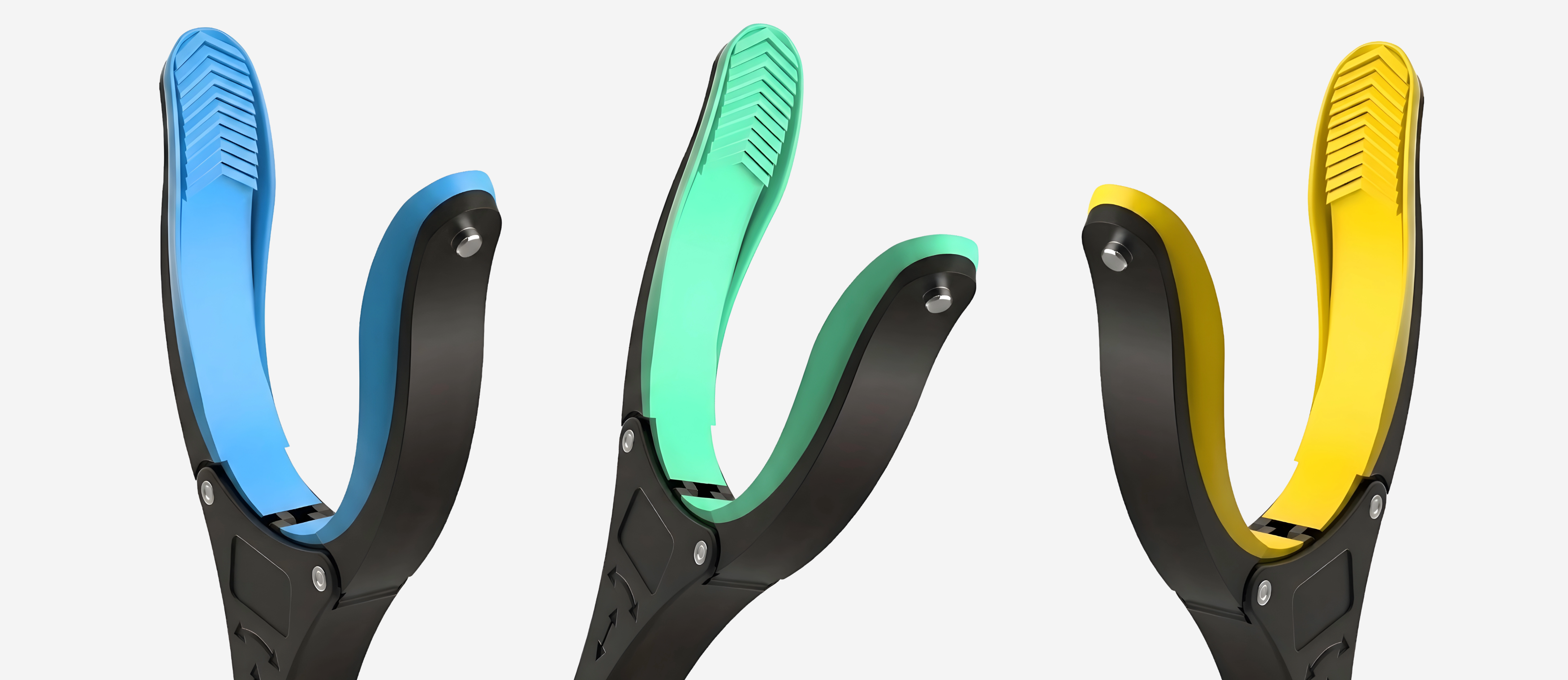
Huntington disease (HD) is a progressive neurodegenerative condition that affects motor control, cognition, and behavior in a characteristic pattern over a course of 15-20 years from symptom onset to late stage. Unlike conditions where adaptive equipment is prescribed once and remains stable, HD requires ongoing reassessment and equipment progression: the tools appropriate in early HD are different from those needed in mid-stage HD, which are again different from late-stage needs. Proactive equipment planning -- selecting and learning to use tools before function declines to the level where they become necessary -- is a core principle of HD occupational therapy.
Direct answer: Huntington disease adaptive equipment follows a staging approach. Early HD (motor symptoms beginning, mild chorea): non-slip mats, weighted utensils, reacher for fall-related dropped items. Mid HD (chorea increasing, balance affected, dysarthria): electric tools for grip-dependent tasks, grab bars throughout, falls prevention focus, reacher essential. Late HD (significant chorea or rigidity, major balance impairment, dysphagia): transfer assistance, specialized seating, thickened liquids, full caregiver assistance for most tasks. The GrabbersTool Reacher and Electric Jar Opener are appropriate for early to mid-stage HD.
HD Stage and Adaptive Equipment Progression
| HD Stage | Motor Features | Priority Adaptive Equipment |
|---|---|---|
| Early (Shoulson-Fahn I-II) | Mild chorea; slight clumsiness; may still work | Non-slip mats; weighted utensils; reacher for dropped item retrieval; kitchen organization for safety |
| Mid (Shoulson-Fahn III) | Moderate chorea; balance affected; falls risk increasing | All above plus: electric jar opener; grab bars; bathroom safety; walker assessment; reacher essential |
| Late (Shoulson-Fahn IV-V) | Severe motor impairment or rigidity; minimal independence; dysphagia | Full caregiver assistance; wheelchair; specialized seating; thickened liquids; hoyer lift if non-ambulatory |
The Proactive Planning Principle for HD
Because HD is progressive and the rate of decline is partially predictable, OTs working with HD patients emphasize proactive equipment acquisition: purchase and learn to use the reacher when it is supplemental (early stage) so that when it becomes essential (mid stage) the habit is already established. Introducing adaptive tools during a crisis (after a fall, after function has declined sharply) is harder than introducing them as practical enhancements when function is still relatively good.
The GrabbersTool 32-inch Reacher is appropriate for early to mid-stage HD. The Electric Jar Opener applies in mid-stage when grip reliability decreases. Browse the full reacher collection.


