

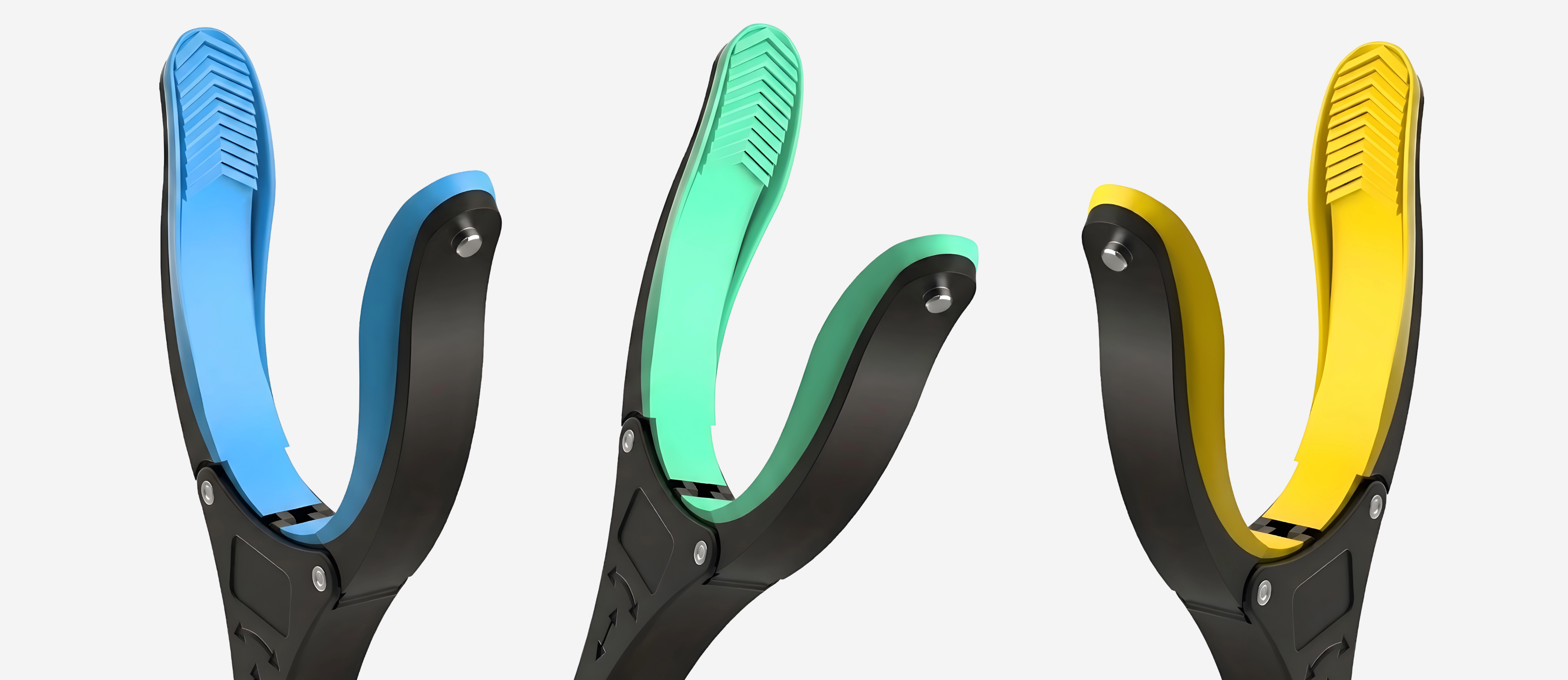
Adaptive kitchen tools and strategies support kitchen independence -- the ability to safely and independently prepare meals -- for people across a wide range of conditions and challenges. Kitchen independence is an important part of daily function and independent living, supporting the ability to prepare meals, maintain nutrition, and live independently. Many conditions and challenges affect kitchen function -- arthritis and joint conditions, neurological conditions (stroke, Parkinson disease, multiple sclerosis, neuropathy, and many others), muscle and neuromuscular conditions, mobility limitations, reduced strength and grip, reduced reach, reduced standing tolerance, fatigue conditions, balance problems, sensory limitations (vision, sensation), cognitive conditions, post-surgical recovery, injuries, age-related changes, and many others. Across these varied conditions and challenges, the core kitchen challenges are common -- reaching (overhead, low, and distant items), grip and jar opening (the forceful grip tasks), standing tolerance (the prolonged standing kitchen tasks require), endurance and energy (the energy kitchen tasks require), and safety (fall and injury risks). Adaptive kitchen tools address these common challenges -- reachers extend the reach, electric jar openers eliminate the forceful grip and jar opening, kitchen seating enables seated work for reduced standing tolerance, energy conservation and effort-reducing tools address the endurance and energy, and safety measures reduce the risks. The right adaptive tools -- matched to the person specific challenges -- support kitchen independence across the varied conditions. This complete guide provides an overview of adaptive kitchen tools and kitchen independence, tying together the approaches for the many conditions and challenges. The core principle is that the right adaptive tools, techniques, and strategies -- matched to the person specific challenges -- support kitchen independence, enabling people to safely and independently prepare meals despite their conditions. An occupational therapy assessment can help identify the individual needs and the right adaptive approach.
Direct answer: Adaptive kitchen tools support kitchen independence across every condition by addressing the common challenges -- reachers for reaching, electric jar openers for grip and jar opening, seating for standing, energy conservation for endurance, and safety measures for risks -- matched to the person specific needs. The GrabbersTool Reacher and Electric Jar Opener address the most common kitchen challenges across conditions.
The Complete Guide to Adaptive Kitchen Tools and Independence
| Common Kitchen Challenge | Conditions Affected | Adaptive Solution |
|---|---|---|
| Reaching (overhead, low, and distant items) | Reaching challenges are common across many conditions -- shoulder conditions (frozen shoulder, rotator cuff, shoulder arthritis), spine and back conditions (arthritis, kyphosis, spinal fusion, back pain), mobility limitations, balance problems (the reaching challenges balance), reduced reach and flexibility, post-surgical bending restrictions (hip replacement, spinal surgery), wheelchair use (extending seated reach), and age-related changes; the reaching challenges affect access to kitchen items and storage across these conditions; reaching is a common kitchen challenge | Reacher grabbers (GrabbersTool 32-inch and 43-inch) extend the reach to retrieve items (overhead, low, and distant) without reaching, bending, stretching, or climbing -- addressing the reaching challenges across the many conditions, and providing fall prevention; the reacher is a versatile tool addressing a common challenge; see the reaching, fall prevention, and condition-specific guides |
| Grip and jar opening (forceful grip tasks) | Grip and jar opening challenges are common across many conditions -- arthritis (hand, thumb, and wrist), reduced grip strength (sarcopenia, aging, and general weakness), neurological and neuromuscular conditions (affecting hand strength), one-handed function (stroke, amputation, injury), tremor and coordination disorders, and many others; jar opening (the forceful grip and twist) is one of the most common and difficult kitchen tasks across these conditions; grip and jar opening are common kitchen challenges | Electric jar opener (GrabbersTool) eliminates the forceful grip and twist of jar opening (the most common and difficult grip task) -- working hands-free and one-handed, addressing the grip and jar-opening challenges across the many conditions; large-handle and easy-grip tools reduce the grip force of other tasks; the electric jar opener is a versatile tool addressing a common challenge; see the grip, arthritis, and condition-specific guides |
| Standing, endurance, safety, and the complete approach | Standing tolerance challenges (from lower extremity, cardiac, respiratory, and fatigue conditions), endurance and energy challenges (from the many fatigue conditions), and safety challenges (fall and injury risks, across balance, sensory, cognitive, and other conditions) are common kitchen challenges across many conditions; these, with the reaching and grip challenges, are the core common kitchen challenges; the complete adaptive approach addresses the person specific combination of these challenges -- matched to their condition; the right combination of adaptive tools, techniques, and strategies supports kitchen independence across the varied conditions | Kitchen seating and seated preparation for standing tolerance; energy conservation and effort-reducing electric tools for endurance and energy; safety measures (fall prevention, thermal and sharp-edge protection, and others) for safety; the complete adaptive approach matched to the person specific challenges and condition; an occupational therapy assessment identifies the individual needs and the right approach; the right adaptive tools, techniques, and strategies -- matched to the person needs -- support kitchen independence across every condition; see the condition-specific, challenge-specific, and setup guides for the complete approach; the GrabbersTool Reacher and Electric Jar Opener address the most common challenges |
See the Reacher Grabber, Electric Jar Opener, the reacher grabber collection, and the arthritis kitchen tools collection for adaptive kitchen tools supporting kitchen independence across every condition.


